Facial rejuvenation has shifted toward approaches that work with the body’s own biology. Platelet-rich plasma therapy is a clear example of this shift. For many people considering PRP in Islamabad , the most important step is not choosing a clinic or booking a date, but understanding how the treatment should be planned around their own skin. No two faces age, scar, or respond to treatment in exactly the same way, which is why individualized planning matters.
Understanding How PRP Works
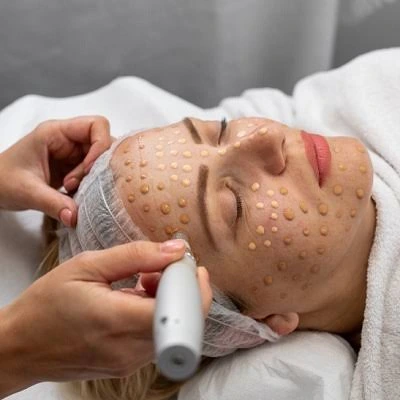
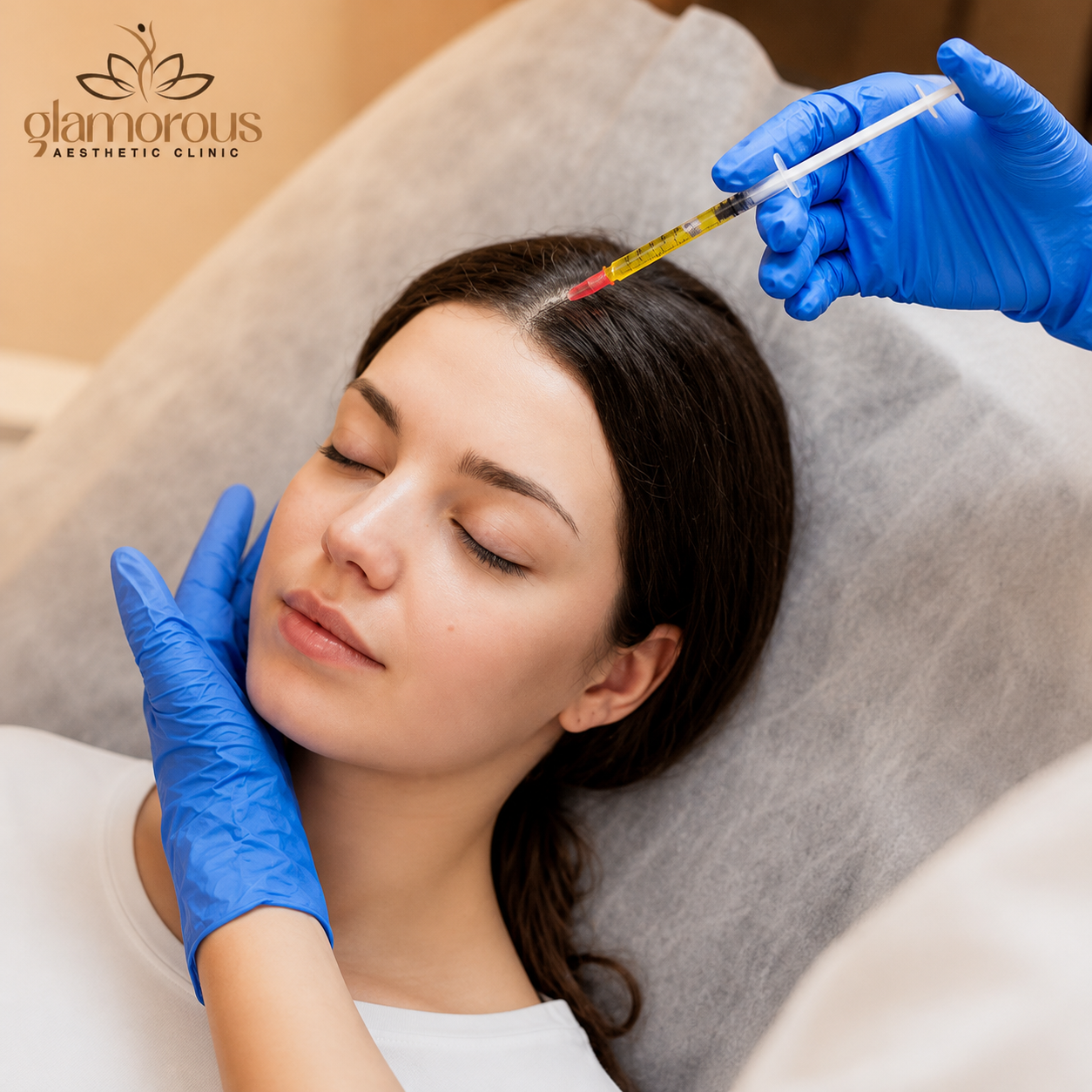
PRP stands for platelet-rich plasma. The process begins with a small sample of the patient’s own blood, which is placed in a centrifuge to separate the platelet-rich portion from other blood components. Platelets contain growth factors that are involved in the body’s natural repair processes. The concentrated plasma is then applied to the face, either through fine injections, microneedling, or a combination of both.Because the treatment uses the patient’s own blood, the risk of allergic reaction to the material itself is low. However, the results depend on the individual’s skin condition, the preparation technique, and the way the treatment is delivered. This is why a standardized approach rarely serves every patient equally well.
Why Patient-Specific Planning Matters
Two people may come to a clinic asking for the same treatment but have very different needs. One may be concerned about early fine lines and dullness. Another may be dealing with post-acne texture or uneven tone. A third may notice thinning, tired-looking skin around the eyes. Each of these concerns calls for different treatment depth, frequency, and expectations.
The Role of a Thorough Skin Assessment
A proper consultation starts with a detailed look at the skin. The practitioner typically evaluates skin type, thickness, hydration level, areas of laxity, pigmentation, scarring, and signs of sun damage. Lifestyle factors also matter, including sun exposure habits, smoking, sleep, and current skincare routines.This assessment helps determine whether PRP is the most suitable option or whether another treatment, or a combination, would serve the patient better. A responsible clinic will be open about this, even if the conclusion is that PRP is not the right first step.
Medical History and Suitability
PRP is generally considered a well-tolerated procedure, but it is not appropriate for everyone. A careful review of medical history is essential before treatment. Conditions affecting blood or platelet function, active infections or skin conditions in the treatment area, certain medications such as blood thinners, and pregnancy or breastfeeding are all points that should be discussed openly with the practitioner.
Setting Realistic Goals
One of the most valuable parts of planning is a frank conversation about what PRP can and cannot do. PRP is typically associated with gradual improvements in skin texture, tone, and overall freshness. It is not a substitute for surgical lifting or a quick fix for deep structural changes
Choosing Treatment Areas and Technique
The face is not a single uniform surface. The skin around the eyes is thinner and more delicate than the skin on the cheeks, and the forehead behaves differently from the jawline. Treatment planning should account for these differences in both depth and technique. Some patients benefit from PRP delivered through microneedling, which suits concerns such as surface texture and mild scarring. Others may be better suited to targeted injections in specific areas. In some cases, a practitioner may recommend treating only the areas of greatest concern rather than the entire face. These decisions should be made during consultation, not on the day of the procedure.
Session Planning and Spacing
The number of sessions needed depends on the individual’s skin condition, goals, and response. Many treatment plans involve a series of sessions spaced several weeks apart, followed by occasional maintenance sessions if the patient wishes to continue. There is no universal number that suits everyone.
Preparing for Treatment
Preparation helps the procedure go smoothly and supports better healing. Patients are usually advised to stay well hydrated, avoid excessive sun exposure, and follow any instructions regarding medications or supplements that may affect bleeding or bruising. Some practitioners ask patients to pause certain active skincare ingredients, such as retinoids or strong exfoliants, for a short period beforehand. On the day of treatment, arriving with clean skin and without heavy makeup is standard. It is also sensible to schedule the session at a time when there are no major social events immediately afterward, since mild redness or swelling can occur.
Aftercare and Recovery
Recovery from PRP is usually straightforward, but it still requires attention. Mild redness, tightness, minor swelling, or small pinpoint marks are common in the first day or two. Patients are generally advised to avoid touching the face unnecessarily, skip heavy makeup for a short time, use gentle products, and protect the skin from the sun. Daily sunscreen is especially important, since newly treated skin is more vulnerable to sun-related damage. Patients should contact their practitioner if they notice unusual pain, persistent swelling, or signs of infection. Following aftercare instructions closely contributes meaningfully to the overall outcome.
Combining PRP With Other Care
PRP is sometimes used alongside other treatments or a tailored home skincare routine. For example, a patient may pair PRP with medical-grade skincare, gentle peels, or other aesthetic procedures, depending on their goals. Any combination should be planned carefully, with appropriate spacing, so the skin is not overstressed.
Choosing the Right Clinic
The setting where PRP is performed matters as much as the technique. Patients should look for a clinic that maintains proper hygiene standards, uses sterile single-use equipment, and employs qualified practitioners who explain the procedure clearly. A reliable clinic will encourage questions, discuss risks as well as benefits, and avoid pressure to commit to large packages on the first visit.
Final Thoughts
PRP can be a thoughtful option for patients who want gradual, natural-looking improvement in their skin, but its value depends heavily on how well it is planned. A careful skin assessment, an honest review of medical history, realistic goals, and a flexible treatment schedule all contribute to a safer and more satisfying experience. For anyone exploring PRP in Islamabad, the best approach is to begin with a professional consultation, ask detailed questions, and choose a plan that reflects your own skin and priorities rather than a generic template. With informed decisions and patient-specific care, PRP can become a well-considered part of a long-term facial care strategy.
Read More :
https://connectlot.in/read-blog/17956