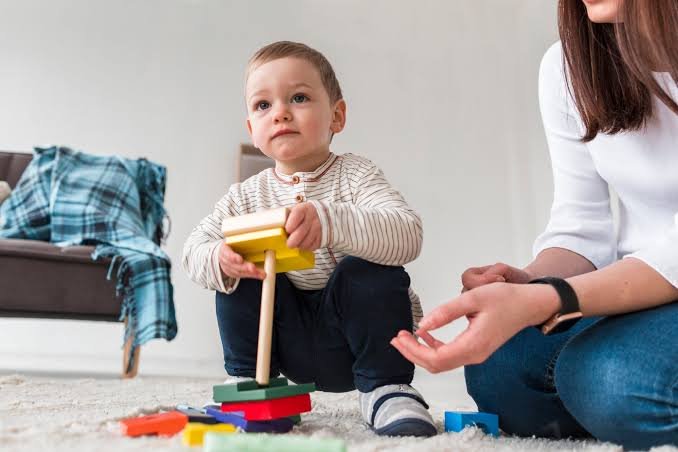
Children often feel more comfortable when their days follow familiar patterns. A Babysitting Service at Home In Dubai can help parents maintain a consistent routine while providing professional childcare in a familiar home environment. This can be particularly helpful for working parents, families with changing schedules, or parents who need assistance with daily childcare responsibilities. Families may also benefit from convenient healthcare options such as a Doctor at Home when professional medical attention is needed without unnecessarily disrupting the child’s routine. By combining clear instructions, predictable activities, and consistent communication, parents and babysitters can create a comfortable daily structure that supports the child’s well-being.
Understand Your Child’s Existing Routine:
Before introducing a babysitter, parents should explain the child’s existing routine in detail. Children may have established patterns for waking, eating, playing, sleeping, studying, and relaxing. Maintaining familiar activities can make the transition to a new caregiver easier. Parents should share information about the child’s usual schedule and explain which parts of the routine are flexible and which should remain consistent. A useful routine may include:
- Wake-up time
- Breakfast and meal schedules
- School or nursery activities
- Playtime
- Nap periods
- Homework or reading
- Bathing and hygiene
- Bedtime
A clear overview allows the babysitter to provide care that fits naturally into the child’s normal day.
Introduce the Babysitter Gradually:
A gradual introduction can help children become familiar with a new caregiver. Instead of immediately leaving the child alone with the babysitter for an extended period, parents can initially remain present during a short session. This allows the child to observe the caregiver interacting with their parents and participating in familiar activities. The babysitter can gradually become involved in play, reading, meals, or other routine tasks. This approach can help establish familiarity and reduce uncertainty, particularly for younger children who may take time to adjust to unfamiliar adults.
Keep Mealtimes Consistent:
Regular meal and snack times can provide children with a sense of predictability. Parents should explain what the child normally eats, preferred meal times, portion expectations, and any allergies or dietary restrictions. The babysitter should follow these instructions carefully and avoid introducing unfamiliar foods without parental approval when appropriate. Children can also be encouraged to participate in simple age-appropriate mealtime routines, such as washing their hands before eating or helping put away safe items after meals. Consistency can make mealtimes more organized and comfortable.
Create Predictable Play Activities:
Play is an important part of a child’s daily routine, and structured activities can make babysitting more engaging. Parents can provide the babysitter with ideas based on the child’s age and interests. Activities do not need to be complicated. They can include reading, drawing, building blocks, puzzles, storytelling, music, or supervised outdoor play. A babysitter can alternate active and quiet activities throughout the day. This helps create variety while still maintaining a predictable structure that the child can understand.
Maintain a Consistent Sleep Schedule:
Sleep routines can be particularly important for babies, toddlers, and young children. Parents should explain normal nap and bedtime schedules and identify familiar steps that help the child settle. These may include changing into sleepwear, reading a short story, dimming lights, or following another established routine. The babysitter should follow the parent’s instructions and maintain an appropriate sleeping environment. Keeping sleep times relatively consistent can help children understand when it is time to rest and may make transitions between caregivers easier.
Use Familiar Comfort Items:
Children may find comfort in familiar objects, particularly when their parents are away. Depending on the child’s age, this could include a favorite book, soft toy, blanket, or another approved comfort item. Parents should tell the babysitter which items the child normally uses and when they are appropriate. Familiar objects can help make the babysitting environment feel more recognizable. However, parents should ensure that comfort items used during sleep are appropriate for the child’s age and established safety guidance.
Establish Clear Communication With Your Child:
A comfortable routine depends on communication that is appropriate for the child’s age. Babysitters should explain transitions before changing activities instead of suddenly interrupting what the child is doing. Simple statements such as explaining that playtime is ending and snack time is beginning can help children prepare for changes. Caregivers can also encourage children to express their feelings and preferences appropriately. Calm, respectful communication can help children feel heard while maintaining reasonable household expectations.
Maintain Consistent House Rules:
Parents and babysitters should agree on household rules before regular childcare begins. Children can become confused when different caregivers use completely different expectations. Parents should explain rules regarding screen time, snacks, toys, outdoor activities, bedtime, and acceptable behavior. The babysitter should apply these rules consistently and calmly. Clear boundaries can help children understand what is expected while creating a more predictable childcare environment.
Balance Structure With Flexibility:
Although routines are useful, children’s needs can change from one day to another. A rigid schedule may not always be practical when a child is tired, unwell, excited, or dealing with an unexpected change. Babysitters should understand which parts of the routine can be adjusted while maintaining important boundaries. For example, outdoor play may be replaced with a quiet indoor activity if weather conditions are unsuitable. Flexible routines allow caregivers to respond to the child’s needs without creating unnecessary disruption.
Plan for Transitions Between Activities:
Transitions can sometimes be challenging for young children. Moving from playtime to mealtime, screen time to homework, or outdoor activities to bedtime may cause resistance. Babysitters can make transitions easier by providing advance reminders and using consistent signals. Parents can explain strategies that already work for their child. Helpful approaches may include:
- Giving a five-minute warning
- Explaining what activity comes next
- Offering limited choices
- Using a familiar routine or phrase
- Keeping transitions calm
- Praising cooperation
Consistent transition strategies can make the child’s day feel more organized.
Encourage Age-Appropriate Independence:
A good routine should give children opportunities to develop independence. Depending on their age, children may be able to choose between two activities, put away toys, select a book, or help with simple household routines. Babysitters can encourage these activities while maintaining appropriate supervision. Giving children small responsibilities can help them feel involved in their daily routine rather than simply being told what to do. Parents should communicate which tasks are suitable for their child’s age and abilities.
Keep Parents Updated:
Regular communication between parents and babysitters can help maintain consistency. Parents should decide how they want to receive updates during childcare sessions. Depending on the child’s age and the family’s preferences, updates may include information about meals, naps, activities, mood, or unusual events. At the end of the session, the babysitter can briefly summarize how the child’s day went. This information can help parents identify patterns and adjust the routine when necessary.
Prepare a Written Routine Guide:
A written routine guide can be especially useful when parents have busy schedules or use childcare regularly. The guide should contain practical information that the babysitter can quickly reference. It may include:
- Daily timetable
- Meal and snack information
- Nap or bedtime routine
- Favorite activities
- Screen-time limits
- Important household rules
- Emergency contact information
- Parent preferences for communication
The guide should be updated whenever the child’s schedule or needs change.
Build Trust Through Consistency:
Children often become more comfortable with caregivers when they see familiar routines repeated consistently. Parents should give the babysitter enough information to understand the child’s preferences, personality, and normal behavior. The babysitter should follow agreed routines while gradually developing a positive relationship with the child. Over time, consistent care, respectful communication, and predictable activities can help establish trust between the child, parents, and caregiver.
Review the Routine Regularly:
A child’s needs can change quickly as they grow. A routine that works for a toddler may not be suitable several months later. Parents should periodically review sleeping patterns, meal schedules, school responsibilities, activities, and childcare requirements. They can discuss these changes with the babysitter and adjust the routine accordingly. Regular reviews help ensure that the childcare arrangement remains practical, age-appropriate, and responsive to the child’s development.
Final Thoughts:
Building a comfortable routine can make home babysitting more predictable and reassuring for children. A Babysitting Service at Home In Dubai can support families by providing childcare within the child’s familiar surroundings while helping maintain established daily patterns. Parents can make the experience more successful by sharing the child’s routine, introducing the caregiver gradually, maintaining consistent meal and sleep schedules, encouraging appropriate activities, and communicating household expectations clearly. With consistency balanced by flexibility, a thoughtful babysitting routine can support a child’s comfort while giving parents dependable assistance with everyday childcare responsibilities.