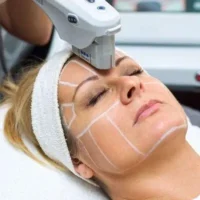


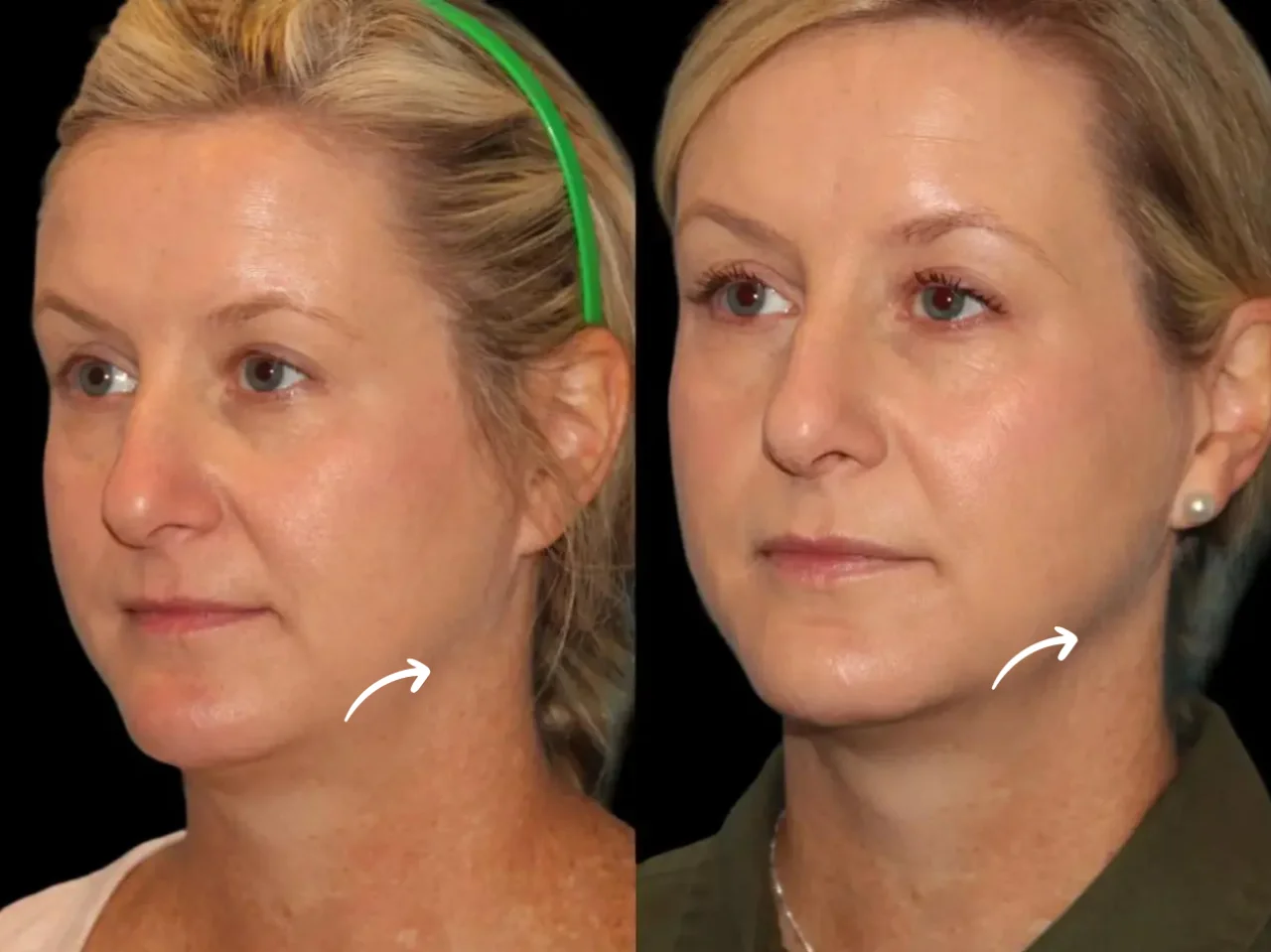
Modern beauty trends are increasingly focused on subtle enhancements, balanced facial features, and healthier-looking skin rather than dramatic changes in appearance. Many people now prefer aesthetic treatments that support the skin’s natural structure while maintaining their individual facial characteristics. This shift has increased interest in collagen-stimulating procedures, including Sculptra, which is designed to encourage gradual improvements in skin quality and facial volume.
The growing interest in Best Doctors in Dubai reflects the importance of professional expertise when choosing an aesthetic procedure. However, selecting a suitable practitioner involves more than popularity or current beauty trends. Understanding the procedure, evaluating individual concerns, discussing realistic outcomes, and reviewing safety considerations are equally important. Sculptra has become part of modern aesthetic discussions because it offers a different approach to facial rejuvenation by stimulating the body’s collagen production rather than relying solely on immediate volume replacement.
Understanding Sculptra and Its Role in Modern Aesthetics
Sculptra is an injectable treatment made with poly-L-lactic acid (PLLA), a biocompatible and biodegradable synthetic material. Unlike conventional hyaluronic acid fillers, which primarily provide immediate volume through a gel-like substance, this treatment works gradually by encouraging collagen production in the treated tissue.
Collagen is an important structural protein that helps maintain skin firmness, elasticity, and support. Its natural production changes with age, which can contribute to facial volume loss, fine lines, and changes in skin texture. Sculptra aims to address selected concerns by supporting the skin’s underlying structure over time.
The gradual nature of the procedure makes it relevant to people who prefer progressive aesthetic improvements. Rather than expecting an immediate transformation, individuals should understand that results develop over several weeks and may require multiple treatment sessions.
Why Collagen Stimulation Is Becoming Popular
Modern aesthetic preferences increasingly emphasize skin quality and natural-looking results. Instead of focusing exclusively on filling individual lines, many treatment plans consider facial proportions, structural support, and the overall appearance of the skin.
Collagen-stimulating procedures fit into this approach because they focus on gradual tissue improvement. Their purpose is not to change someone’s identity or create an entirely different facial appearance. Instead, an appropriately planned procedure may help address selected signs of volume loss while preserving natural facial characteristics.
However, collagen stimulation is not suitable for every concern. A qualified practitioner must determine whether the treatment matches the individual’s anatomy, expectations, and medical history.
How Sculptra Fits Modern Beauty Trends
Beauty trends are influenced by changing preferences, but good aesthetic decisions should always prioritize individual needs over temporary fashion. Sculptra fits several modern treatment preferences because it focuses on gradual improvements, personalized planning, and the skin’s natural collagen response.
Preference for Subtle Facial Enhancements
Many individuals prefer improvements that do not significantly alter their facial expressions or proportions. Excessive volume in one area can create an unbalanced appearance, particularly when treatment decisions are based on trends rather than facial anatomy.
A carefully planned approach to sculptra in Dubai can focus on concerns such as selected facial wrinkles, volume changes, and areas where additional structural support may be appropriate. The practitioner evaluates the face as a whole rather than treating every visible line independently.
A Greater Focus on Skin Quality
Healthy-looking skin is an important part of contemporary aesthetic preferences. Fine lines, reduced elasticity, and changes in facial volume can affect the way the skin appears under different lighting conditions.
The collagen-stimulating properties of the treatment make it an option for selected individuals who want to address these changes gradually. However, it does not replace daily skincare, sun protection, or other treatments that may be needed for pigmentation, acne, or surface texture concerns.
Personalized Treatment Planning
Modern aesthetics recognizes that facial structures differ from person to person. Age, skin condition, bone structure, previous procedures, and personal expectations all influence treatment decisions.
A personalized plan should identify the specific concern, determine whether collagen stimulation is appropriate, and establish realistic goals. The number of sessions and amount of product should be determined through professional assessment rather than a standard formula applied to everyone.
Best Sculptra Doctors in Dubai: What Should You Look For?
Choosing among the Best Sculptra Doctors in Dubai requires careful consideration of medical qualifications, practical experience, anatomical knowledge, and an understanding of injectable treatments. The practitioner should be able to explain how the product works, discuss possible complications, and determine whether the procedure is appropriate for the intended treatment area.
A good consultation should also include an assessment of previous aesthetic procedures, current medications, allergies, skin conditions, and relevant medical history. These details help the practitioner identify potential risks and avoid unsuitable treatment recommendations.
Medical Qualifications and Injectable Experience
The person performing the procedure should have appropriate medical credentials and specific training in administering the product. Knowledge of facial anatomy is especially important because injection depth, placement, and technique influence both the treatment plan and potential complications.
Patients should feel comfortable asking about the practitioner’s qualifications, experience with PLLA treatments, and approach to managing adverse reactions. Clear answers are an important part of informed decision-making.
Understanding Individual Facial Anatomy
Facial rejuvenation should not follow a universal template. Two people with similar concerns may need completely different treatment approaches because their facial proportions, skin thickness, and volume distribution are different.
For example, sculptra face treatment planning may involve evaluating the cheeks, temples, lower face, and facial folds. The practitioner must determine which areas are appropriate for treatment and whether another procedure would better address the concern.
Facial Areas Commonly Considered for Sculptra Treatment
Facial rejuvenation involves more than addressing a single wrinkle. Different areas contribute to the overall appearance of the face, and treatment planning should account for how these structures relate to one another.
Cheeks and Midface Support
Changes in cheek volume can influence facial contours and make the midface appear less supported. In suitable cases, sculptra cheeks treatment may be considered to improve selected volume-related concerns gradually.
The assessment should consider cheek structure, existing facial fullness, skin condition, and the desired degree of enhancement. The objective is to maintain balanced proportions rather than create excessive fullness.
Lower Face and Facial Folds
The lower face can develop visible folds and changes in contour as collagen levels and underlying support change. A practitioner may evaluate whether a collagen-stimulating approach is appropriate for selected wrinkles or contour deficiencies.
Sculptra is used for specific facial indications, including nasolabial fold deficiencies and facial wrinkles. Not every line or fold responds in the same way, so the treatment should be selected according to the concern rather than its popularity.
Neck and Décolletage Concerns
The neck is another area where skin texture, fine lines, and reduced elasticity may become noticeable. sculptra for neck concerns should be discussed separately because product indications and approved treatment areas vary by jurisdiction.
A practitioner must explain whether the proposed use is within the applicable product labeling or considered off-label. The assessment should also consider skin thickness, existing laxity, and alternative treatment options.
Other Body Areas and Important Treatment Considerations
Although Sculptra is widely discussed in facial rejuvenation, some aesthetic practices also discuss its potential use for selected body-contouring concerns. However, facial and body applications should never be treated as interchangeable.
Buttock Enhancement and Hip Dip Concerns
Some aesthetic discussions refer to sculptra for buttocks as an alternative approach to improving selected contour irregularities. However, the suitability and regulatory status of injectable products for body enhancement require particular attention.
Terms such as sculptra buttock injections, buttocks sculptra, and sculptra filler for buttocks are sometimes used when discussing gluteal volume and contour concerns. These terms do not establish that the procedure is approved, safe, or appropriate for an individual.
Similarly, sculptra for hip dips is a phrase associated with attempts to improve the appearance of natural indentations around the hips. Hip dips are a normal variation in body anatomy, and their appearance is influenced by bone structure, muscle distribution, and soft tissue.
Importantly, the US FDA has not approved injectable dermal fillers for increasing buttock size or performing body enhancement. It warns that filler injections for this purpose can cause serious complications. Any proposed body application must therefore be evaluated carefully against local regulations, product labeling, and available safety evidence. Patients should not assume that an approach used in facial treatment is suitable for the buttocks.
Understanding Treatment Sessions, Results, and Recovery
Sculptra is generally administered through a series of treatment sessions rather than a single procedure designed to produce an immediate final result. The schedule depends on the individual’s concerns, treatment area, product instructions, and clinical assessment.
What Happens During a Session?
The practitioner first reviews the treatment plan and examines the intended area. After preparing the skin and product according to the manufacturer’s instructions, the practitioner administers the sculptra injections using an appropriate technique.
The experience may involve temporary discomfort, tenderness, swelling, or bruising. The duration of the appointment depends on the treatment area and individual plan.
Aftercare and Follow-Up
Aftercare instructions should always come from the treating practitioner and follow the product’s official instructions. Patients should understand how to care for the treated area, which activities to avoid temporarily, and when to arrange follow-up appointments.
Any unusual pain, significant skin discoloration, increasing swelling, or other concerning symptoms should be reported promptly. Severe or sudden symptoms require immediate medical assessment.
Sculptra Cost and Factors That Influence Treatment Pricing
The sculptra cost can vary according to the treatment area, number of sessions, quantity of product, practitioner expertise, and complexity of the treatment plan. A smaller treatment area may require a different approach from a procedure involving multiple facial regions.
When discussing the sculptra price, patients should request a clear explanation of what the proposed treatment includes. This may cover the consultation, product quantity, planned sessions, and follow-up care.
It is also important to distinguish between the price of an individual session and the estimated cost of the complete treatment plan. Choosing a procedure based only on the lowest advertised price may overlook important factors such as product authenticity, practitioner qualifications, and appropriate clinical care.
A transparent discussion helps individuals understand the financial commitment before deciding whether to proceed.
The Role of Celebrity Clinics and Aesthetic Expertise in Dubai
Dubai’s aesthetic industry includes a wide range of treatment preferences, from subtle facial rejuvenation to more noticeable cosmetic enhancements. The popularity of Celebrity Clinics in Dubai also reflects public interest in professional aesthetic services and modern treatment approaches.
However, a clinic’s reputation or celebrity association should not replace an evaluation of its medical standards. The quality of a treatment depends on appropriate assessment, qualified practitioners, genuine products, safe injection practices, and proper follow-up.
The phrase Celebrity Doctors In Dubai may attract attention in discussions about aesthetic trends, but patients should look beyond public visibility when choosing a practitioner. Medical expertise, transparent communication, and patient safety remain more meaningful considerations.
A Personalized Approach at Perfect Doctors Clinic
At Perfect Doctors Clinic, aesthetic treatment planning should begin with an understanding of the individual’s concerns, facial structure, and desired outcome. Dr. Perfect Celebrity emphasizes the importance of considering suitability and realistic expectations when discussing cosmetic procedures.
Rather than assuming that every popular treatment is appropriate for everyone, the consultation should focus on the patient’s anatomy, medical history, and available options. Individuals interested in sculptra fillers should understand how the product differs from conventional fillers and what a gradual collagen-stimulation approach can realistically achieve.
A professional discussion should also address potential side effects, treatment limitations, and whether another procedure may be more suitable.
Frequently Asked Questions About Sculptra
1. What Is Sculptra and How Does It Work?
Sculptra is an injectable collagen stimulator containing poly-L-lactic acid. It encourages gradual collagen production, helping address selected facial wrinkles and volume-related concerns. Unlike conventional fillers, its effects develop progressively rather than providing immediate volume.
2. How Is Sculptra Different From Traditional Dermal Fillers?
Traditional hyaluronic acid fillers primarily provide volume through a gel-based material. Sculptra works differently by stimulating collagen production over time. Although it is also classified as a sculptra dermal filler, its mechanism and treatment expectations differ from conventional gel fillers.
3. How Many Sculptra Sessions Are Usually Needed?
The number of sessions depends on individual anatomy, treatment goals, and clinical assessment. Some people may require multiple appointments to achieve their desired improvement. The practitioner should establish a suitable schedule based on the product instructions and individual response.
4. When Can Someone Expect to See Sculptra Results?
Improvements generally develop gradually over several weeks as collagen production increases. The timeline varies according to individual response, treatment area, and the number of sessions. Immediate dramatic changes should not be expected.
5. Can Sculptra Be Used to Improve Cheek Volume?
Sculptra may be considered for selected cheek-related volume and wrinkle concerns. However, the practitioner must assess facial anatomy, existing volume, and suitability before recommending treatment. The goal should be balanced facial proportions.
6. Is Sculptra Suitable for Everyone?
No. Medical history, allergies, previous procedures, skin conditions, and individual treatment goals can influence suitability. People with certain allergies or a history of keloid formation or hypertrophic scarring should not receive the treatment according to its US product labeling. A medical assessment is essential.
7. Can Sculptra Be Used for Body Contouring?
Some practitioners discuss PLLA treatments for selected body-related concerns, but regulatory approval and safety differ according to the treatment area and country. The US FDA has not approved injectable dermal fillers for buttock enlargement or body enhancement. Patients should carefully review the risks and local product authorization before considering any such procedure.
8. What Side Effects Can Occur After Sculptra?
Possible side effects include swelling, redness, tenderness, bruising, discomfort, and small lumps under the skin. Less common but serious complications can occur, including vascular injury. Choosing a properly trained practitioner and following aftercare instructions are important safety measures.
9. How Much Does Sculptra Treatment Cost?
The overall expense depends on the amount of product required, treatment area, number of sessions, and practitioner expertise. A consultation can help establish an individualized treatment plan and explain the expected financial commitment before the procedure.
10. How Should Someone Choose a Sculptra Practitioner in Dubai?
Look for an appropriately qualified medical practitioner with specific injectable-treatment training and knowledge of facial anatomy. Ask about product authenticity, possible complications, treatment alternatives, and follow-up arrangements. A detailed consultation should provide clear information without promising guaranteed results.