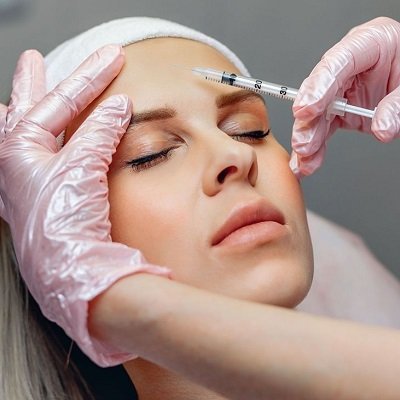
Forehead lines are among the most common visible signs of facial aging. They often develop gradually as a result of repeated facial expressions, natural changes in skin elasticity, sun exposure, and the gradual loss of collagen. Although these lines are a normal part of aging, many people prefer to soften their appearance to achieve a smoother and more refreshed look. Modern cosmetic treatments offer several options, and Botox injections are among the most widely recognized non-surgical solutions for expression-related wrinkles.
For individuals exploring cosmetic treatments, Botox Injections in Muscat may be worth considering as an option for reducing the appearance of forehead lines. This treatment works by temporarily relaxing selected facial muscles responsible for repetitive movements that contribute to wrinkle formation. When administered appropriately, it can create a smoother forehead while preserving a natural-looking facial expression. Understanding how the treatment works, its benefits, limitations, and aftercare requirements can help individuals make informed decisions.
1. What Causes Forehead Lines?
Forehead lines typically develop because of repeated movement of the frontalis muscle, which is responsible for raising the eyebrows. Every time a person expresses surprise, raises their eyebrows, or reacts with certain facial expressions, the forehead skin folds.
Over time, these repeated movements can contribute to the formation of visible creases. Initially, these lines may appear only when the forehead muscles contract. However, as the skin gradually loses elasticity and collagen, the creases may become noticeable even when the face is at rest.
Several factors contribute to forehead lines:
-
Natural aging: Collagen and elastin production decreases with age, making the skin less firm and flexible.
-
Repeated facial expressions: Frequent eyebrow movements gradually contribute to expression lines.
-
Sun exposure: Ultraviolet radiation damages collagen and accelerates visible skin aging.
-
Genetics: Inherited skin characteristics can influence when and how wrinkles develop.
-
Lifestyle habits: Smoking, inadequate sleep, dehydration, and prolonged sun exposure may contribute to premature skin aging.
-
Skin dehydration: Insufficient moisture can make fine lines appear more noticeable.
Although these factors can contribute to wrinkle formation, forehead lines do not necessarily indicate poor skin health. They are a natural part of facial aging and expression.
2. How Do Botox Injections Work for Forehead Lines?
Botox is a purified form of botulinum toxin type A that temporarily reduces muscle activity. It works by interrupting the signals responsible for muscle contraction, allowing the targeted muscles to relax.
For forehead wrinkles, the treatment generally focuses on selected areas of the frontalis muscle. When this muscle relaxes, the skin experiences less repetitive folding, which helps soften the appearance of horizontal forehead lines.
The treatment involves several small injections into carefully selected points across the forehead. The injection locations and dosage depend on individual facial anatomy, muscle strength, eyebrow position, and the severity of the wrinkles.
Botox does not permanently eliminate wrinkles or stop the natural aging process. Instead, it temporarily reduces the muscle movements responsible for dynamic expression lines.
An important consideration is maintaining a balance between wrinkle reduction and natural facial movement. Excessive relaxation of the forehead muscles can affect eyebrow position or create an unnatural appearance. Therefore, a personalized treatment approach is essential.
3. Are Botox Injections Effective for Forehead Lines?
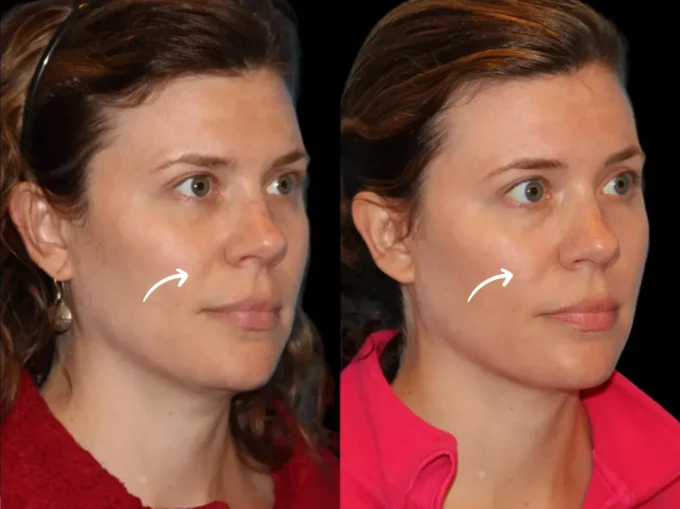
Botox injections can be highly effective for reducing dynamic forehead lines, particularly wrinkles that appear when a person raises their eyebrows. Their effectiveness depends on the individual’s skin condition, muscle activity, wrinkle depth, and treatment technique.
For people with mild or moderate expression lines, the treatment can create a smoother forehead by reducing repetitive muscle contractions. Individuals with deeper wrinkles may also notice improvement, although some static lines may remain visible after treatment.
The main benefits include:
Reduction in Dynamic Wrinkles
Botox reduces the muscle activity responsible for repetitive forehead creasing. This can make horizontal lines appear softer and less prominent.
A Smoother Forehead Appearance
By reducing repeated skin folding, the treatment can help create a more relaxed and refreshed appearance.
Non-Surgical Approach
Botox injections do not require surgical incisions or general anesthesia. The procedure is typically performed in a clinical setting and involves minimal interruption to daily activities.
Relatively Quick Treatment
The injection process usually takes approximately 10 to 20 minutes, depending on the treatment area and individual requirements.
Temporary Results
The effects are not permanent, allowing individuals to decide whether they wish to maintain the results with future treatments.
However, Botox is not equally effective for every type of forehead wrinkle. Deep lines caused primarily by long-term skin damage, reduced elasticity, or volume loss may require additional approaches to achieve noticeable improvement.
4. What Happens During a Botox Treatment Session?
Understanding the treatment process can help reduce uncertainty and prepare individuals for the experience.
Initial Consultation
The process begins with an assessment of the forehead, facial muscles, skin condition, and existing wrinkles. The practitioner reviews medical history, current medications, allergies, and previous cosmetic procedures.
This assessment helps determine whether Botox is appropriate and identifies the areas that may benefit from treatment.
Preparation
The forehead is cleaned before injections. Treatment points are identified based on facial anatomy and natural muscle movement. A topical numbing product may be considered for individuals who are sensitive to injections, although it is not always necessary.
Injection Process
A fine needle is used to administer small amounts of Botox into selected muscles. Most individuals experience mild discomfort, often described as a brief pinching sensation.
The number of injections varies depending on muscle activity, treatment goals, and individual anatomy.
After the Procedure
Most people can return to their usual daily activities shortly after treatment. However, following aftercare instructions is important to support recovery and reduce the likelihood of unwanted effects.
The practitioner may recommend avoiding rubbing or massaging the treated area and temporarily avoiding strenuous physical activity.
5. How Long Do Botox Results Last?
Botox results are temporary, and their duration varies from person to person.
Initial improvements may become noticeable within three to five days, while the full effect generally develops within approximately 10 to 14 days.
For most individuals, the results last around three to four months. Some people may experience longer-lasting effects, while others may notice muscle movement returning sooner.
Several factors influence how long the results remain visible:
-
Individual metabolism and muscle activity.
-
The strength of the targeted forehead muscles.
-
The amount of Botox administered.
-
The depth and nature of existing wrinkles.
-
Previous treatment history.
-
Individual response to the product.
As the effects gradually wear off, normal muscle movement returns and forehead lines may become visible again.
Maintenance treatments may be considered when the effects diminish. However, treatment frequency should be determined through professional assessment rather than repeated injections at unnecessarily short intervals.
6. Possible Side Effects, Safety, and Aftercare
Botox is generally considered safe when administered by a qualified and appropriately trained medical professional using approved products and suitable techniques. Nevertheless, like other medical procedures, it carries potential risks.
Common temporary side effects include:
-
Mild redness around injection points.
-
Minor swelling.
-
Small bruises.
-
Temporary tenderness.
-
Mild headache.
-
Slight discomfort following injections.
Less common complications can include eyebrow asymmetry, eyelid drooping, or an unwanted change in eyebrow position. These effects may occur when the product affects nearby muscles or when the treatment is not appropriately tailored to facial anatomy.
Rarely, botulinum toxin effects can spread beyond the injection site and cause symptoms such as difficulty swallowing, speaking, or breathing. These symptoms require immediate medical attention.
Certain individuals may not be suitable candidates, including people with particular neuromuscular conditions, known allergies to product ingredients, or infections at the intended injection sites. Pregnancy and breastfeeding also require specific medical consideration because safety data are limited.
Important Aftercare Recommendations
Following treatment, individuals should:
-
Avoid rubbing or applying unnecessary pressure to the forehead.
-
Follow the practitioner’s instructions regarding exercise and physical activity.
-
Avoid applying excessive pressure while washing or caring for the face.
-
Attend any recommended follow-up assessment.
-
Contact a healthcare professional if unusual or concerning symptoms develop.
Following professional guidance helps support a safe treatment experience and allows any concerns to be addressed promptly.
Frequently Asked Questions (FAQs)
1. Can Botox completely remove forehead lines?
Botox can significantly soften forehead lines caused by repeated muscle movements. However, it may not completely remove deep wrinkles that are already present when the face is relaxed. Results depend on skin condition, wrinkle depth, and individual muscle activity.
2. At what age can someone consider Botox for forehead wrinkles?
There is no single ideal age for Botox treatment. Suitability depends more on facial muscle activity, wrinkle development, medical history, and individual goals than on age alone. A professional consultation can help determine whether treatment is appropriate.
3. Does Botox treatment for forehead lines hurt?
Most individuals experience minimal discomfort during the procedure. The injections are administered using fine needles, and the sensation is generally described as a brief pinch. Mild redness or tenderness may occur afterward.
4. When will forehead wrinkles start improving after Botox?
Some individuals notice changes within three to five days. More complete results generally become visible within 10 to 14 days. The response varies depending on individual muscle activity and treatment factors.
5. Can Botox prevent new forehead wrinkles from developing?
By temporarily reducing repetitive muscle contractions, Botox may help limit the formation or deepening of expression-related wrinkles. However, it cannot prevent all signs of aging or protect the skin from environmental damage.
6. Can someone return to normal activities after Botox injections?
Most individuals can resume everyday activities shortly after treatment. However, certain precautions may be recommended, including avoiding pressure on the treated area and following professional advice about exercise and skincare.
Final Thoughts
Botox injections can be an effective non-surgical option for reducing the appearance of forehead lines, particularly wrinkles associated with repeated facial expressions. By temporarily relaxing selected muscles, the treatment helps minimize repetitive skin folding and creates a smoother, more refreshed appearance.
However, successful results depend on appropriate patient selection, an understanding of facial anatomy, suitable dosing, and professional administration. Botox also has limitations, especially when forehead wrinkles are deep or primarily related to changes in skin quality.
Individuals considering treatment should seek a qualified medical professional for an assessment of their skin, medical history, and expectations. With realistic goals and an individualized approach, Botox can be a useful option for managing expression-related forehead wrinkles while maintaining natural facial movement.
Read More About Botox Injections: https://linkmate.mn.co/posts/when-is-the-right-age-to-start-botox-injections