Electricity interruptions can quickly become frustrating when you are working from home, running a business, or simply trying to keep essential appliances working. A reliable UPS can provide valuable backup, but the battery inside the system plays an equally important role. This is why people who want to buy ups battery should look beyond price and consider capacity, battery type, compatibility, warranty, and expected usage.
A suitable battery can provide dependable backup when the main electricity supply is unavailable. However, choosing the wrong battery can result in short backup times or poor performance. Understanding the basics before buying can make the decision much easier.
Why the Battery Matters in a UPS
A UPS stores electrical energy in its battery while the main electricity supply is available. When the power goes out, the UPS uses this stored energy to provide electricity to connected appliances and devices.
The amount of backup you receive depends on the battery capacity and the electrical load. A small load containing a few lights, fans, and networking equipment will naturally use less stored energy than a larger load containing several appliances.
This is why two people can use the same battery and experience different backup times. The battery is only one part of the complete system. The UPS efficiency, connected appliances, battery condition, and installation also affect performance.
What to Consider Before You Buy UPS Battery
Before you buy ups battery, start by checking the specifications of your existing UPS or inverter. The battery voltage and required capacity should match the equipment. Using an unsuitable battery can affect performance and may create unnecessary problems.
Next, think about your actual power requirements. Make a simple list of the appliances you want to keep running during an outage. You can then estimate the amount of backup you need.
Capacity is usually expressed in ampere hours. A higher Ah rating generally means more stored capacity, but it does not automatically guarantee a specific number of backup hours. Your electrical load determines how quickly that stored energy is consumed.
It is also useful to check the battery warranty, physical dimensions, weight, intended application, and manufacturer’s specifications before making a purchase.
Choosing the Right Capacity
Battery capacity should match your requirements rather than being selected simply because a larger number looks better. A small home setup may work well with a lower capacity battery, while a larger property with more appliances may require considerably more storage.
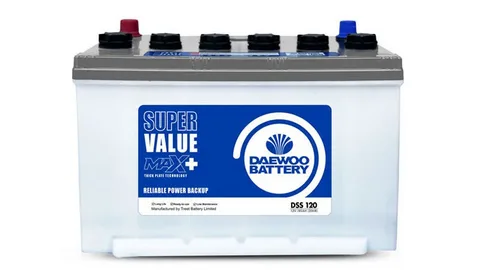
The current Daewoo UPS and Solar Battery collection includes options ranging from 65 Ah to 220 Ah. The range includes models such as DIB 110 at 85 Ah, DIB 165 at 115 Ah, DIB 180 at 145 Ah, DIB 200 at 175 Ah, DIB 225 at 200 Ah, and DIB 260 at 220 Ah.
This variety allows buyers to compare different capacities according to their individual backup needs.
For example, someone who only needs short backup for essential electronics may not require the same capacity as someone who wants to run several appliances for a longer period.
Deep Cycle Batteries for Regular Backup
Battery technology also matters. A battery used for regular backup needs to handle repeated charging and discharging. Deep cycle batteries are designed for applications where stored energy is regularly used and then replenished.
This makes them suitable for many UPS and solar applications. The current Daewoo Deep Cycle UPS and Solar Battery collection includes multiple capacity choices. The DIB 135, for example, is listed at 100 Ah, while larger models are available for users with greater energy requirements.
The right option depends on your system and the amount of electricity you need during an outage. It is always better to match the battery to the actual requirements instead of assuming that one capacity will suit every home.
UPS Batteries for Solar Backup
Solar power systems can benefit greatly from battery storage. Solar panels produce electricity when sunlight is available, but energy may still be needed in the evening or during periods when sunlight is limited.
The United States Department of Energy explains that energy storage allows electricity to be stored when it is available and used at another time. This can help solar systems provide energy beyond the period of direct solar production.
A suitable battery can therefore become an important part of a solar backup setup. The battery, inverter, solar panels, and electrical load all need to be correctly matched.
If you are comparing different applications, the Daewoo battery collection includes batteries for automotive, UPS, and solar requirements.
How to Get Better Battery Performance
Buying a good battery is only the beginning. Proper installation and regular care can help you get better performance from your investment.
Always follow the manufacturer’s instructions when installing or using the battery. Make sure the battery is connected to compatible equipment and installed in a suitable location.
Avoid exposing the battery to unnecessary heat or physical damage. High temperatures can be particularly challenging for batteries, so keeping the installation environment suitable is important.
You should also avoid placing a load on the UPS that is greater than its recommended capacity. Too much load can reduce backup time and put unnecessary stress on the system.
If you notice that backup time has suddenly become much shorter, the battery may need inspection. A noticeable change in performance can be an early sign that the battery is becoming weaker.
Understanding Warranty and Product Quality
Price is naturally important when you want to buy ups battery, but it should not be the only factor. A battery is an important part of your backup system, so reliability and warranty support deserve attention too.
Current Daewoo UPS and solar listings show different warranty periods depending on the series and model. Several deep cycle models are listed with a 12 month warranty, while some Super Value Series products carry a 6 month warranty.
Always check the latest product information before purchasing because prices, availability, and warranty details can change.
A clear warranty can provide additional confidence, especially when purchasing a battery for regular home or business use.
When Is It Time to Replace a Battery?
Even a good battery eventually loses its ability to hold and deliver energy. One of the most common signs is reduced backup time. If a battery that previously provided useful backup now runs out very quickly, it may be approaching the end of its useful service life.
Other warning signs can include physical damage, unusual heating, leakage, or other visible problems. If you notice anything unusual, it is safer to have the system inspected by a qualified technician.
Replacing the battery before complete failure can also prevent an unexpected loss of backup during a power interruption.
Responsible Battery Disposal
An old battery should not simply be thrown into ordinary household waste. Lead acid batteries contain materials that require responsible handling.
The United States Environmental Protection Agency recommends returning lead acid batteries to retailers or suitable collection programs rather than putting them in regular household garbage.
Proper recycling helps recover useful materials and reduces the environmental risks associated with careless disposal. When purchasing a replacement, ask your battery supplier about available recycling or collection options.
Conclusion
Knowing what to look for before you buy ups battery can save you money and prevent unnecessary problems later. Start by checking your UPS specifications, calculate your expected electricity load, and decide how much backup you actually need.
Battery capacity, technology, warranty, compatibility, and installation conditions all matter. Deep cycle batteries can be a practical choice for UPS and solar systems that regularly depend on stored energy.
Daewoo offers a broad selection of UPS and solar batteries with different capacities, giving customers several options for different backup requirements.
The best battery is not necessarily the largest or the cheapest. It is the one that matches your system and provides the capacity and reliability you need. By comparing specifications carefully and using the battery correctly, you can build a backup system that is ready when you need it most.