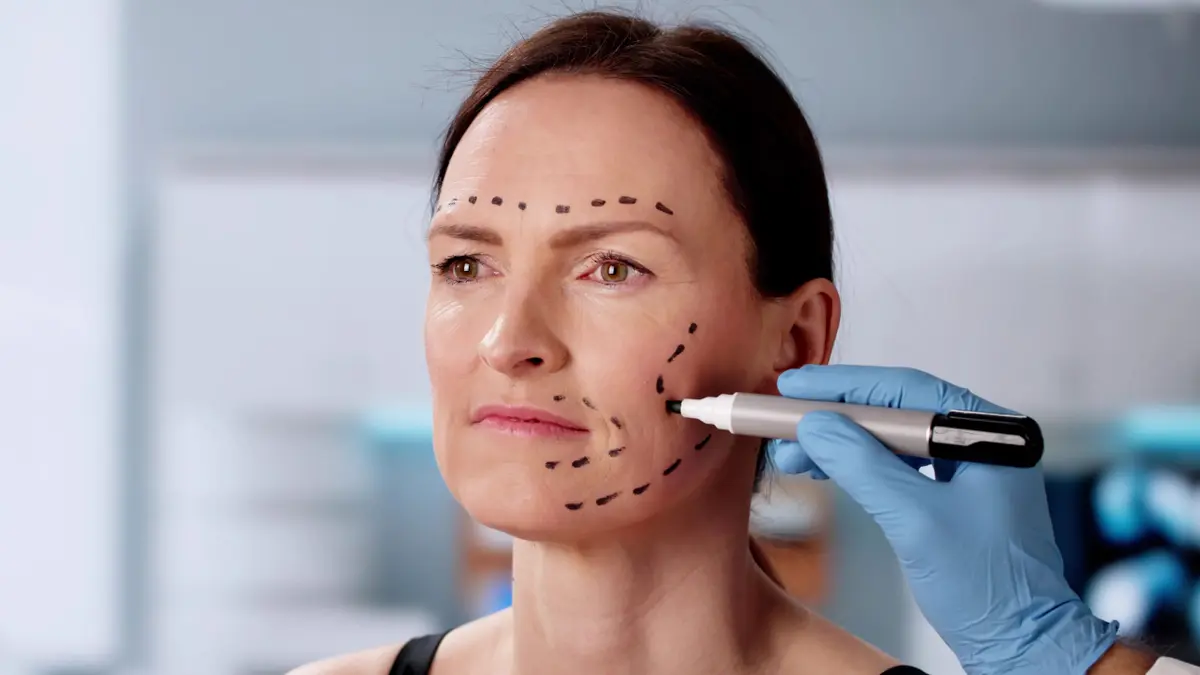
Aging can gradually change the appearance of the face, affecting skin firmness, cheek contours, and jawline definition. These changes are natural, but some people prefer to explore cosmetic treatments that may help them achieve a fresher appearance. Facelift Treatment in Islamabad is a surgical option for addressing selected signs of facial aging, particularly loose skin and sagging tissues around the lower face. At Enfield Royal Clinic in Islamabad, individuals can explore facial rejuvenation options and learn why a personalized consultation is important before choosing a procedure.
A facelift is designed to improve facial contours by repositioning underlying tissues and removing excess skin when appropriate. The goal is not to change a person’s identity or facial character, but to create a smoother appearance that remains consistent with their natural features.
What Is Facelift Treatment?
A facelift, medically known as rhytidectomy, is a cosmetic surgical procedure that primarily addresses sagging skin and tissue changes affecting the cheeks, lower face, and jawline. As skin elasticity decreases and facial structures change over time, loose skin and jowls may become more noticeable.
During surgery, a qualified plastic surgeon adjusts underlying tissues and removes excess skin where necessary. The technique is selected according to the patient’s facial anatomy, skin condition, medical history, and desired outcome.
People researching Facelift Treatment in Islamabad should understand that a facelift differs from non-surgical treatments such as dermal fillers, skin resurfacing, and certain skin-tightening procedures. Each approach addresses different concerns and has distinct benefits and limitations.
At Enfield Royal Clinic in Islamabad, prospective patients can begin by discussing their aesthetic concerns and asking which treatment options may be suitable for their individual circumstances.
Which Signs of Aging Can a Facelift Improve?
Facial aging varies considerably between individuals. Some people develop loose skin around the lower cheeks, while others notice deeper folds or a less defined jawline.
A facelift may help improve the appearance of:
-
Sagging cheeks: Repositioning selected tissues may improve lower-face contours.
-
Jowls: Surgery may reduce the prominence of loose tissue along the jawline.
-
Deep facial folds: Certain folds around the mouth may appear less noticeable.
-
Excess lower-face skin: Removing excess skin can create a smoother contour.
-
Reduced jawline definition: Appropriate surgical techniques may improve the outline of the lower face.
The results depend on the extent of aging, tissue quality, surgical technique, and individual healing. A facelift does not necessarily correct forehead wrinkles, pigmentation, sun damage, or every fine line.
For anyone considering Facelift Treatment in Islamabad, identifying the main concern before selecting a procedure helps establish realistic treatment goals.
How Is the Right Facelift Technique Selected?
Not every patient needs the same type of facelift. Some individuals have mild skin laxity, while others experience more substantial changes in the lower face and neck. The surgical approach should reflect these differences.
A traditional facelift may be considered for more pronounced sagging. A limited facelift may suit selected patients with less extensive changes. In some cases, a different procedure or non-surgical treatment may be more appropriate.
The consultation should include an assessment of facial proportions, skin elasticity, general health, medications, allergies, and previous cosmetic treatments. The surgeon should also explain the proposed technique, anesthesia, incision placement, recovery expectations, and possible complications.
At Enfield Royal Clinic in Islamabad, patients researching facial rejuvenation should verify the qualifications of the treating professional and ask about their experience with the proposed procedure.
What Happens Before and During Surgery?
Preparation begins with a detailed medical consultation. Patients should provide accurate information about their health, medications, smoking habits, and previous procedures. These details help the surgeon assess suitability and plan for potential risks.
If surgery is appropriate, the medical team provides instructions about preparation, medication management, and the arrangements needed for recovery.
During a facelift, incisions are commonly placed around the ears and may extend into the hairline. The surgeon adjusts underlying tissues and removes excess skin when necessary before closing the incisions carefully. The procedure is performed with appropriate anesthesia and monitoring in a suitable medical facility.
The duration depends on the complexity of the surgery and whether additional procedures are performed.
Choosing Facelift Treatment in Islamabad should involve understanding each stage of the process rather than focusing only on the expected cosmetic outcome.
What Is the Recovery Period Like?
Recovery varies depending on the surgical technique and the patient’s healing response. Swelling, bruising, tightness, and temporary numbness are common after surgery and generally improve gradually.
Many patients need several weeks before returning comfortably to normal social activities. Subtle swelling and changes in sensation may take longer to settle, so the final appearance should not be judged during the earliest stages of recovery.
Following medical instructions is essential. Patients should attend follow-up appointments, care for their incisions as directed, take prescribed medication correctly, and avoid strenuous exercise until cleared by their surgeon.
Sudden swelling, severe pain, fever, unusual wound discharge, or changes in skin color require prompt medical attention.
At Enfield Royal Clinic in Islamabad, prospective patients should ask about postoperative monitoring and whom to contact if they experience unexpected symptoms.
Can a Facelift Maintain a Youthful Appearance?
A facelift can provide lasting improvement in selected signs of facial aging, but it cannot stop the natural aging process. The skin and underlying tissues continue to change after surgery.
Genetics, skin quality, lifestyle, sun exposure, and healing may influence the long-term appearance of the results. Protecting the skin from excessive sunlight, avoiding smoking, and maintaining a consistent skincare routine can support overall skin health, although these measures cannot guarantee a particular outcome.
People considering Facelift Treatment in Islamabad should discuss the expected longevity of results with their surgeon and understand that future changes in facial appearance are normal.
Who May Be a Suitable Candidate?
A facelift may be appropriate for adults with noticeable facial sagging who are in suitable general health and have realistic expectations. Age alone does not determine suitability.
Individuals with mild concerns may prefer non-surgical options, while people with more pronounced skin laxity may wish to discuss surgical treatment. The appropriate choice depends on medical assessment rather than personal preference alone.
Potential complications include bleeding, infection, scarring, changes in skin sensation, nerve injury, and anesthesia-related risks. A qualified plastic surgeon should explain these possibilities and discuss alternatives before treatment.
Facelift Treatment in Islamabad should always begin with an individualized evaluation and informed decision-making.
Explore Facelift Options at Enfield Royal Clinic in Islamabad
Facial rejuvenation is a personal decision that should be based on individual concerns, medical suitability, and a clear understanding of the expected outcome. A facelift may improve sagging skin and refine selected facial contours, but it is not suitable for everyone.
Enfield Royal Clinic in Islamabad is a starting point for individuals interested in learning about facial aesthetic treatments and discussing their goals. Before proceeding, verify the qualifications of the professional who would perform the surgery, the standards of the surgical facility, and the arrangements for postoperative care.