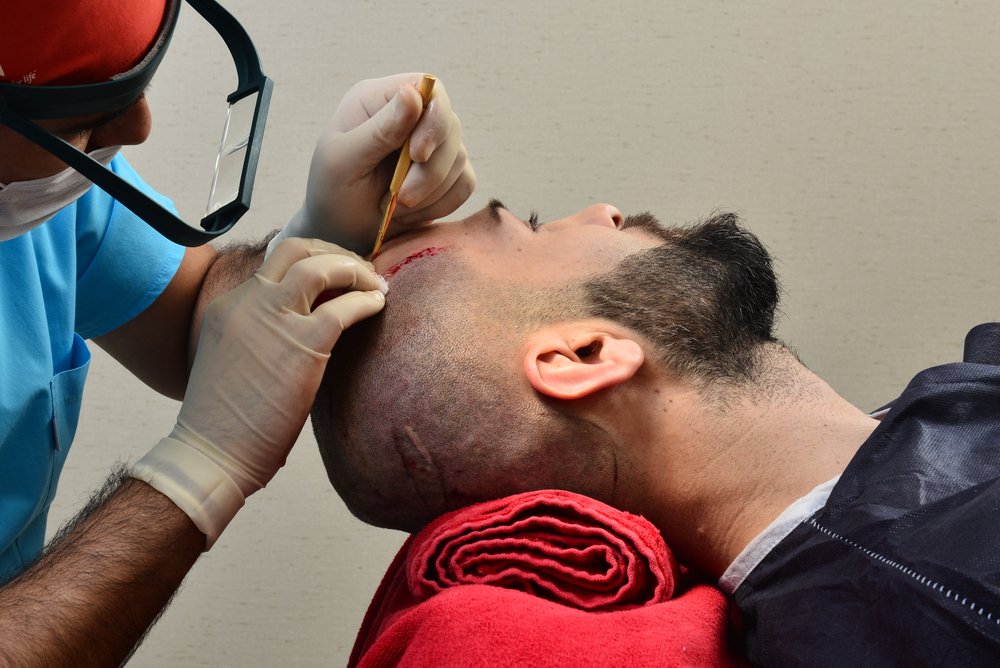
Hair thinning does not always happen evenly across the scalp. Some people notice more visible thinning on one side, while another area may retain reasonable density. This uneven pattern can make the scalp more noticeable, especially under bright lighting or when the hair is styled in a particular direction. A carefully planned hair transplant may help improve the appearance of areas where natural density has become noticeably reduced.
For people considering hair transplant in islamabad, understanding how uneven thinning is assessed can be important. Rather than simply adding the same number of grafts everywhere, a hair restoration plan can be designed around the individual pattern of hair loss, existing hair, donor supply, and the desired overall appearance.
Why Can Hair Density Become Uneven?
Hair loss can develop differently from one person to another. Even on the same scalp, certain regions may thin faster than others.
Uneven density can become noticeable because of:
- Different rates of hair loss across scalp regions
- Natural differences in follicle distribution
- Receding areas beside otherwise dense hair
- Previous hair restoration procedures
- Changes in styling that expose thinner sections
- Gradual thinning that becomes more visible over time
Because these patterns vary, treatment planning should focus on the areas that actually need additional coverage rather than treating the scalp as one uniform surface.
How Is Uneven Thinning Evaluated?
A consultation is an important part of determining whether transplantation is appropriate. The surgeon can examine the density of the existing hair and assess the condition of the donor region.
The evaluation may consider:
- Where thinning is most visible
- The amount of healthy donor hair available
- The direction and characteristics of existing hair
- Whether the hair loss pattern appears stable
- The amount of coverage that may realistically be achieved
This information helps establish whether graft placement could improve the balance between thinner and denser areas.
Can Grafts Be Distributed Strategically?
Yes, graft distribution is one of the important aspects of hair restoration planning. When one region has significantly less density than another, grafts may be positioned strategically to create a more balanced visual appearance.
The objective is not necessarily to make every part of the scalp equally dense. Natural hair itself does not have perfectly uniform density. Instead, the focus can be on reducing obvious differences between areas while preserving donor resources for future needs.
For suitable candidates, thoughtful distribution can make the transplanted region blend more naturally with surrounding hair.
Why Does Existing Hair Matter?
When thinning hair is still present, it can influence how transplantation is planned. Existing follicles may provide some coverage, meaning grafts can potentially be placed around them rather than replacing an entire area.
Careful placement is particularly important when native hair remains between areas of reduced density. The surgeon needs to consider the existing growth pattern and leave appropriate space for the follicles already present.
This is one reason an individualized assessment is more useful than relying on a fixed graft number.
Can Uneven Density Affect Hairstyling?
It can. When one section of the scalp appears thinner, people may change how they part, comb, or style their hair to conceal it. Certain hairstyles may expose the difference in density more clearly.
A restoration plan can take preferred hairstyles into consideration. For example, the direction in which the hair is normally worn may influence how grafts are positioned.
The aim is to support a natural appearance that works with the person’s existing growth pattern rather than forcing the hair into an unnatural direction.
What Role Does the Donor Area Play?
The donor area provides the follicles used during a transplant, so its quality and available density are important considerations. A person with uneven thinning may not need the same number of grafts as someone experiencing widespread hair loss, but this depends entirely on the size and characteristics of the affected areas.
Preserving donor hair is also important for long-term planning. A responsible approach considers not only today’s visible thinning but also the possibility of future changes in hair density.
Can a Hair Transplant Create Completely Equal Density?
The goal of transplantation is not necessarily to create mathematically identical density across the scalp. Natural hair has variations in thickness and distribution.
Instead, the objective may be to improve visible coverage and create a smoother transition between areas of different density. The final appearance depends on factors such as graft characteristics, existing hair, donor availability, scalp condition, and individual healing.
Realistic expectations are therefore an important part of the consultation process.
Why Is Hair Direction Important?
Even when the number of grafts is appropriate, placement direction can affect the overall appearance. Hair naturally grows according to the pattern established by the person’s follicles.
During a transplant, grafts need to be positioned with attention to the surrounding growth direction. This can help the transplanted hair integrate with existing strands rather than appearing noticeably different.
For uneven-density cases, this blending becomes especially relevant because transplanted areas may sit directly beside naturally dense sections.
What Should Patients Expect During Recovery?
After a hair transplant, the scalp normally goes through a healing period. Temporary changes in the appearance of the treated area can occur as the scalp recovers and the transplanted follicles begin their growth cycle.
Patients should follow the specific aftercare instructions provided by their surgeon. Individual recovery experiences can differ, so expectations should be discussed during the consultation rather than based solely on photographs or other people’s experiences.
Why Choose Professional Planning in Islamabad?
People looking for hair transplant in islamabad may have different patterns of thinning, even when their concerns initially appear similar. A personalized assessment can help determine whether transplantation is suitable and which areas should receive priority.
At enfield royal clinic in islamabad, treatment planning can be based on the individual’s hair-loss pattern, donor characteristics, existing hair, and aesthetic goals. dr adnan bashir is the hair surgeon associated with the clinic and can assess whether transplantation is an appropriate option for a particular case.
For more information, patients can explore Enfield Royal Clinic Islamabad and discuss their concerns during a professional consultation.
Final Thoughts
Uneven hair density can make thinning more noticeable, but it does not necessarily mean that the entire scalp requires transplantation. For suitable candidates, carefully selected and strategically placed grafts may help improve coverage while allowing existing hair to remain an important part of the overall result.