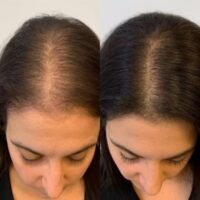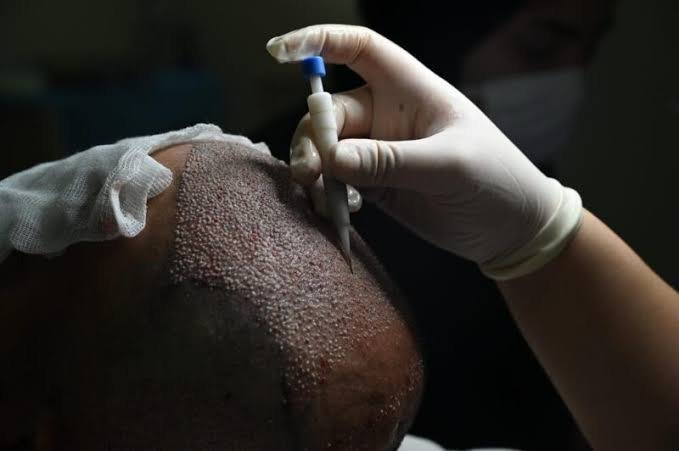
Male pattern baldness is a common form of hair loss that can gradually cause a receding hairline, thinning at the crown, or baldness across the top of the scalp. For men looking to restore hair coverage, Hair Transplant in Ajman can be explored through a professional consultation at Dynamic Life Clinic, where suitability, donor hair availability, and expected outcomes can be discussed. Hair transplantation can be an effective option for selected men with hereditary hair loss because it relocates healthy follicles to areas where hair has become thin or stopped growing. However, results depend on the individual’s hair-loss pattern, scalp condition, and available donor hair.
Understanding Male Pattern Baldness
Male pattern baldness, medically known as androgenetic alopecia, is a hereditary condition influenced by genetic factors and sensitivity to hormones called androgens. It commonly begins with a receding hairline around the temples or thinning at the crown, and the affected areas may gradually expand over time. Hair follicles become progressively smaller, producing finer and shorter hairs until visible growth may stop in some areas. The condition develops differently from person to person, so a medical assessment can help confirm the cause of hair loss and determine whether hair transplantation or another treatment may be appropriate.
How Hair Transplantation Can Improve Hair Coverage
Hair transplantation works by moving follicles from a donor area, usually at the back or sides of the scalp, to areas affected by baldness. These donor follicles are often more resistant to the hormonal effects associated with male pattern baldness. After transplantation and healing, the follicles may continue producing hair in their new location. The procedure can help rebuild a receding hairline, improve coverage at the crown, or add density to selected thinning areas. However, the available donor hair is limited, so the surgeon must plan the distribution carefully to achieve a natural appearance.
Who May Benefit From Hair Transplant Surgery?
Men with established hereditary hair loss, sufficient healthy donor hair, and realistic expectations may be suitable candidates for transplantation. The procedure can be particularly helpful when the hair-loss pattern is reasonably predictable and the recipient areas are clearly identified. A surgeon will examine scalp density, hair thickness, the degree of baldness, medical history, and the patient’s long-term goals before recommending treatment. Men with sudden hair loss, active scalp conditions, or rapidly changing hair patterns may need further investigation before surgery. A consultation helps establish whether transplantation is suitable and what level of coverage may be achievable.
The Importance of Donor Hair Quality
Donor hair quality plays a major role in determining the potential outcome of a hair transplant. Surgeons assess the density, thickness, distribution, and characteristics of follicles at the back and sides of the scalp to estimate how many grafts can be safely used. Men with adequate donor hair may have more options for restoring the frontal hairline or improving crown coverage. However, extracting too many follicles can make the donor area appear thin, and men with extensive baldness may not have enough grafts to cover every affected area. A careful plan helps balance visible improvement with the need to preserve donor hair for the future.
Choosing Between FUE and FUT Techniques
Follicular Unit Extraction (FUE) and Follicular Unit Transplantation (FUT) are two established methods used in hair restoration. FUE involves extracting individual follicular units from the donor area, generally leaving small dot-like scars. FUT involves removing a narrow strip of scalp and separating it into grafts, usually leaving a linear scar. Both techniques can be used to treat male pattern baldness, but their suitability depends on the patient’s scalp characteristics, donor supply, hairstyle preferences, and the number of grafts needed. The surgeon can explain the benefits and limitations of each technique and recommend an approach based on individual needs.
Can a Hair Transplant Restore a Receding Hairline?
A hair transplant can help improve a receding hairline by placing grafts along a carefully designed frontal area. The surgeon considers the patient’s facial proportions, age, existing hair, and likely future hair loss when planning the hairline. A natural-looking result depends on placing follicles at appropriate angles and creating a gradual transition rather than an unnaturally straight or dense line. Men should understand that the aim is usually to create a balanced appearance with the available donor hair, not necessarily to recreate the hairline they had as teenagers. Long-term planning is especially important when hair loss may continue.
Treating Thinning at the Crown
Hair transplantation may also improve coverage at the crown, where male pattern baldness often creates a circular or widening area of thinning. Crown restoration can require careful planning because hair grows in a spiral pattern, and the area may need many grafts to create the appearance of density. The surgeon must also consider whether thinning is likely to expand beyond the transplanted region. In some cases, prioritising the frontal hairline may provide a more noticeable overall improvement when donor hair is limited. The best treatment plan depends on the extent of crown loss, donor supply, and the patient’s priorities.
Does a Hair Transplant Stop Future Hair Loss?
A hair transplant does not stop male pattern baldness from progressing in untreated areas. Although transplanted follicles from suitable donor regions may be more resistant to hereditary hair loss, surrounding natural hair can continue to thin over time. This may change the appearance of the scalp after surgery, particularly if the condition was still progressing during treatment. A clinician may discuss appropriate medical treatments to help manage ongoing hair loss, depending on the patient’s health and circumstances. Continued monitoring can help patients understand their options and maintain a long-term approach to hair restoration.
Recovery and Hair Growth After Surgery
Following a hair transplant, patients may experience temporary redness, swelling, tenderness, itching, and small scabs around the treated areas. The surgeon provides instructions for washing the scalp, protecting the grafts, sleeping comfortably, and returning to normal activities. Transplanted hair shafts commonly shed during the first few weeks, which is a normal part of the process and does not necessarily indicate failure. New growth may begin after several months, with more noticeable changes developing gradually. Results are often assessed around 9–12 months, although crown growth may take longer. Individual outcomes vary, so follow-up appointments are important for monitoring healing.
Potential Risks and Limitations
Like any surgical procedure, hair transplantation carries possible risks, including infection, bleeding, scarring, temporary numbness, inflammation around follicles, and uneven growth. Some grafts may not grow as expected, and the final density may be lower than anticipated. A transplant also cannot guarantee complete coverage or prevent future thinning in untreated areas. Men should discuss their medical history, medications, expectations, and concerns with a qualified medical professional before deciding on surgery. Understanding the limitations and potential complications helps patients make an informed decision and prepare for recovery.
Conclusion
Hair transplantation can help treat male pattern baldness by relocating healthy follicles to areas affected by a receding hairline, crown thinning, or other patterns of hereditary hair loss. The most suitable candidates generally have sufficient donor hair, a carefully assessed hair-loss pattern, and realistic expectations. FUE and FUT offer different ways to collect donor follicles, while long-term planning helps address the possibility of continued thinning. A professional consultation is essential for assessing suitability, discussing risks, and understanding the coverage that may be achievable.
Frequently Asked Questions
1. Can a hair transplant permanently treat male pattern baldness?
A hair transplant can provide long-lasting growth from transplanted follicles, but it does not cure the underlying hereditary condition or prevent untreated hair from thinning. Long-term results depend on donor hair characteristics, surgical planning, and how hair loss progresses.
2. What age is suitable for a hair transplant?
There is no single ideal age for everyone. Younger men may have a changing hair-loss pattern, making future coverage difficult to predict. A surgeon assesses hair-loss progression, donor supply, and long-term goals before recommending surgery.
3. Can a hair transplant restore a completely bald scalp?
It may improve coverage, but complete restoration is not always possible. The outcome depends on the available donor hair and the size of the bald area. Men with extensive hair loss may need to prioritise specific areas.
4. How long does it take to see results?
Transplanted hair shafts often shed during the first few weeks. New growth may appear after several months, while more noticeable improvement commonly develops over six to nine months. Results are often assessed around 9–12 months, depending on individual growth.
5. Will transplanted hair fall out again?
Transplanted hair shafts commonly shed during the early recovery stage, but the follicles may remain and produce new hair. Long-term growth varies, and the surrounding natural hair may continue to thin because of male pattern baldness.
6. Is FUE or FUT better for male pattern baldness?
Both methods can be suitable. FUE extracts follicles individually and usually leaves small dot-like scars, while FUT removes a strip of scalp and leaves a linear scar. The appropriate technique depends on donor hair, scalp characteristics, and treatment goals.
7. Can medication be used alongside a hair transplant?
A clinician may recommend medication to help manage ongoing hair loss, depending on the patient’s health and individual needs. Patients should discuss potential benefits, side effects, and suitability with a qualified healthcare professional before starting or changing any treatment.
8. Is a hair transplant painful?
Local anaesthesia is commonly used during surgery to minimise discomfort. Some tenderness, swelling, or soreness may occur afterward. The medical team provides instructions for managing discomfort and caring for the scalp during recovery.
9. Can male pattern baldness return after a hair transplant?
Hair loss can continue in untreated areas even after successful transplantation. The transplanted follicles may continue growing, but surrounding natural hair may become thinner. A long-term plan can help patients monitor changes and discuss suitable management options.