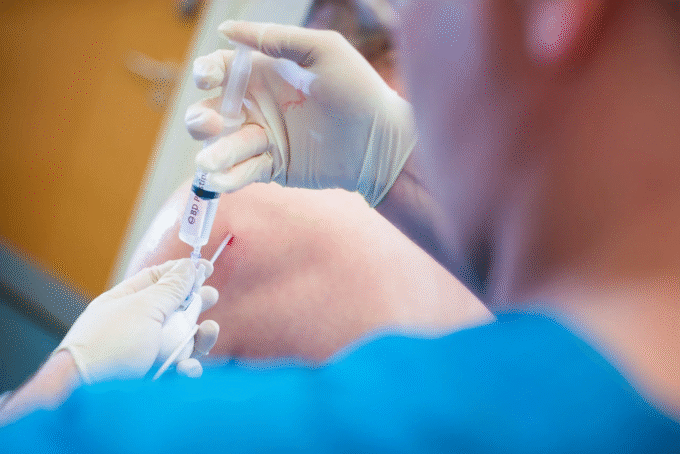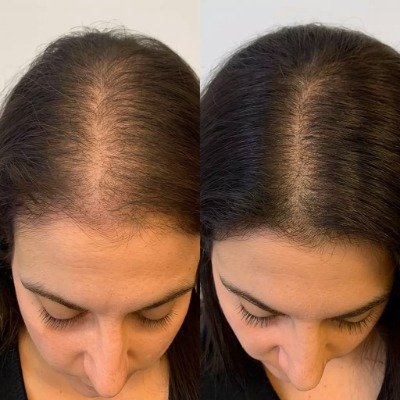
Follicular Unit Extraction (FUE) is a popular hair transplantation method that involves transferring individual hair follicles from a donor area to regions affected by thinning or baldness. When carefully planned and performed by a qualified surgical team, the procedure can help create a fuller, more defined hairline that complements the patient’s natural features.
Understanding Hairline Changes and Hair Loss
Hairline recession is a common concern among men, although women can also experience thinning around the frontal scalp. In many cases, genetic factors and sensitivity to dihydrotestosterone (DHT) contribute to pattern hair loss. Over time, susceptible follicles may produce finer strands, causing the hairline to move backward.
Other factors, including certain medical conditions, nutritional deficiencies, and scalp disorders, can contribute to hair thinning. The pattern and progression of hair loss vary from person to person.
Understanding the cause is essential before selecting a treatment. A hair transplant may help restore coverage in areas affected by permanent hair loss, but it does not address every underlying cause of shedding.
A professional assessment can help determine whether FUE is appropriate and whether additional medical treatment may be beneficial.
What Is an FUE Hair Transplant?
Follicular Unit Extraction is a surgical procedure in which individual follicular units are removed from a donor area, usually the back or sides of the scalp. These follicles are then implanted into areas where additional coverage is needed.
Unlike traditional strip harvesting, FUE does not require removing a long strip of scalp. Instead, it creates small extraction sites that typically heal with tiny scars.
The procedure requires careful handling and placement of the follicles to support successful growth and a natural appearance. The surgeon considers hair direction, angle, density, and the patient’s facial proportions when planning the recipient area.
People considering FUE Hair transplant in Islamabad should begin with a consultation to evaluate their donor hair, hairline pattern, scalp health, and restoration goals.
How FUE Creates a Fuller and More Defined Hairline
A successful hairline restoration plan focuses on creating a balanced appearance rather than simply adding as many grafts as possible.
Personalized Hairline Design
The surgeon evaluates the patient’s facial shape, forehead proportions, age, existing hair, and likely future hair loss. These factors help determine a suitable hairline position and shape.
A conservative design may be particularly important for younger patients whose hair loss could progress. Planning for future changes helps avoid an unnatural appearance as the patient ages.
Careful Follicle Placement
Hair follicles grow at specific angles and in particular directions. At the front of the scalp, careful placement is especially important because the hairline is highly visible.
Single-hair follicular units are often used along the leading edge to create a softer transition, while larger follicular units may be placed farther behind where appropriate.
This arrangement helps the transplanted hair blend with existing strands and creates a more natural-looking outline.
Improved Frontal Coverage
FUE can increase hair coverage in selected areas around the temples and frontal scalp. The surgeon distributes available grafts according to donor capacity and the size of the area requiring treatment.
The final density depends on the number and quality of available follicles, the characteristics of existing hair, and individual healing. A transplant cannot always reproduce the density of a naturally full hairline.
Who Is a Suitable Candidate for Hairline Restoration?
FUE may be suitable for adults with a receding hairline, thinning temples, or permanent frontal hair loss who have sufficient healthy donor hair.
Candidates should have realistic expectations and understand that hair loss may continue in untreated areas. The surgeon assesses medical history, scalp condition, donor density, and the progression of hair loss before recommending surgery.
People experiencing sudden hair shedding or unexplained thinning may need medical evaluation before considering transplantation. In some cases, treating the underlying condition may be more appropriate.
A personalized consultation helps determine whether FUE is suitable and how the available donor follicles can be used effectively.
What to Expect During the Procedure
The process begins with a consultation and treatment plan. The surgeon examines the scalp, discusses the desired hairline, estimates the number of grafts needed, and explains potential risks and limitations.
FUE is generally performed under local anaesthesia. Individual follicles are extracted using specialized instruments and prepared for implantation. The surgeon then places them into carefully planned recipient sites.
The duration depends on the number of grafts and the complexity of the procedure. Temporary redness, swelling, tenderness, and small scabs may develop after treatment.
Following the clinic’s instructions about scalp cleaning, sleeping position, medication, and physical activity is important for protecting the grafts during early recovery.
Recovery and Hair Growth Timeline
Hairline restoration takes time, and immediate results should not be expected. Transplanted hair shafts commonly shed during the first few weeks. This is a normal part of the process and does not necessarily indicate that the follicles have failed.
New growth often becomes noticeable after three to four months. The hairline gradually becomes fuller over the following months, with many patients assessing their results around nine to twelve months. Further maturation may continue for up to eighteen months in some cases.
Recovery and growth vary between individuals. Patients should attend follow-up appointments and contact their clinic if they experience increasing pain, spreading redness, fever, or unusual discharge.
Maintaining a Natural-Looking Hairline Long Term
Transplanted follicles may continue producing hair for many years, but FUE does not stop hair loss in untreated areas. Natural hair behind the restored hairline may continue thinning, potentially changing the overall appearance.
A dermatologist or hair restoration specialist may recommend appropriate medical treatments to manage progressive hair loss. The suitability of these treatments depends on individual medical circumstances.
Long-term planning is important, particularly for patients with ongoing pattern hair loss. A qualified provider should explain maintenance options, donor hair limitations, and the possibility of future treatment.
Choosing a Qualified Hair Restoration Specialist
Selecting an appropriately qualified and experienced practitioner is essential. Patients should ask about the surgeon’s credentials, who performs the extraction and implantation, safety practices, and follow-up arrangements.
Reviewing genuine before-and-after photographs can help establish realistic expectations. It is also useful to discuss graft numbers, potential scarring, recovery time, costs, and possible complications.
A responsible specialist will prioritize safety and design a treatment plan around the patient’s individual features rather than promise guaranteed results.
Conclusion
FUE hair transplantation can help restore a fuller, more defined hairline by relocating healthy follicles to areas affected by permanent thinning. Careful hairline design, precise follicle placement, and thoughtful long-term planning are important for achieving natural-looking results.
The procedure is not suitable for everyone, and outcomes depend on donor hair availability, surgical technique, and individual healing. Consulting a qualified hair restoration specialist can help you understand your options and decide whether FUE aligns with your hair restoration goals.
Frequently Asked Questions (FAQs)
1. Can FUE restore a receding hairline?
Yes, FUE can improve coverage around a receding hairline when sufficient healthy donor follicles are available. Results depend on the pattern of hair loss and the treatment plan.
2. How long does it take to see hairline restoration results?
New growth often begins after three to four months. More noticeable results typically develop over nine to twelve months, although some patients require up to eighteen months for further maturation.
3. Will my transplanted hairline look natural?
A natural-looking result depends on appropriate hairline design, follicle selection, placement angle, and surgical skill. Individual results vary, so realistic expectations are important.
4. How can I explore FUE Hair transplant in Islamabad for hairline restoration?
Arrange a consultation with a qualified hair restoration specialist to assess your donor hair, discuss hairline design, review potential risks, and develop a personalized treatment plan.
For more information visit
Enfield royal clinic in islamabad