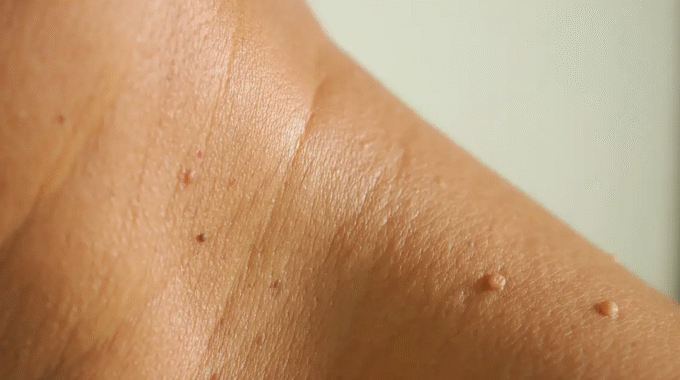
Birthmarks on the face can vary in colour, size, shape, and depth. While some are harmless and require no treatment, others may be considered for removal or lightening because of their appearance or location. Birthmark Removal Dubai may help reduce the visibility of certain facial birthmarks when the appropriate procedure is selected. However, safety depends on the type of birthmark, its location, the treatment method, and the individual’s skin characteristics.
Can Birthmarks Be Safely Removed From the Face?
Yes, many facial birthmarks can be treated safely when they are correctly diagnosed and the procedure is performed by a qualified professional. The face contains delicate skin and structures, so treatment requires careful planning.
Some birthmarks respond to laser treatment, while others may require medical monitoring, surgical removal, or no intervention at all. Not every birthmark is suitable for cosmetic treatment, and complete removal cannot always be guaranteed.
Before treatment, a healthcare professional should examine the mark, determine its type, and explain the expected benefits and possible complications. This assessment is particularly important for pigmented marks that resemble moles or have changed over time.
Which Types of Facial Birthmarks Can Be Treated?
The appropriate treatment depends on the type of birthmark and the structures responsible for its appearance.
Vascular Birthmarks
Vascular birthmarks develop from blood vessels in the skin. Examples include port-wine stains and certain haemangiomas.
Some vascular birthmarks can be treated with specialised lasers that target blood vessels and help reduce redness or discolouration. Multiple sessions may be needed, and the degree of improvement varies.
A specialist should assess the birthmark before treatment, especially when it is near the eyes or associated with other symptoms.
Pigmented Birthmarks
Pigmented birthmarks develop when pigment-producing cells or pigment deposits create darker areas of skin. They may appear brown, black, tan, or blue-grey.
Some pigmented marks may be considered for treatment, but identifying them correctly is essential. A congenital melanocytic naevus or another mole-like lesion may need medical evaluation rather than immediate cosmetic removal.
Laser treatment should not be used to alter an unexplained pigmented lesion without appropriate assessment, because doing so may interfere with monitoring and diagnosis.
Flat and Raised Birthmarks
Flat birthmarks may respond differently from raised marks. Certain flat vascular birthmarks can be lightened with laser therapy, while some raised lesions may require a different approach.
The size, depth, texture, and location of the mark help determine which treatment may be suitable. A procedure that works for a flat mark may not provide the same result for a raised or deeply pigmented birthmark.
What Treatment Options Are Available for Facial Birthmarks?
Several approaches may be considered, depending on the diagnosis.
Laser Treatment
Laser treatment uses specific wavelengths of light to target structures such as blood vessels or pigment. It may help reduce the visibility of selected facial birthmarks without requiring a surgical incision.
The number of sessions depends on the type of birthmark, its depth, the laser used, and the individual’s response. Temporary redness, swelling, tenderness, or changes in skin pigmentation may occur. Scarring is also possible, although the risk varies.
Because the face is a sensitive area, the practitioner should select appropriate settings and use suitable protective measures, particularly near the eyes.
Surgical Removal
Surgical removal may be suitable for certain birthmarks when the diagnosis, size, location, and expected outcome support this approach.
The procedure removes the affected tissue, but it generally leaves a scar. The appearance of the scar depends on the amount of tissue removed, the surgical technique, and the individual’s healing response.
Surgery is not appropriate for every facial birthmark. A qualified surgeon should explain whether the potential benefits justify the risks.
Observation and Medical Monitoring
Not every birthmark needs to be removed. Some are harmless and can simply be monitored, while others may change naturally over time.
Observation may be the most appropriate option when treatment offers little benefit or when the mark needs further medical evaluation. A healthcare professional can advise whether monitoring or active treatment is recommended.
Is Facial Birthmark Removal Safe for All Skin Types?
Facial birthmark removal can be considered for different skin types, but the treatment plan must account for individual skin characteristics.
People with darker skin tones may have a higher risk of post-inflammatory hyperpigmentation or hypopigmentation after some procedures. These changes can cause the treated area to become darker or lighter than the surrounding skin.
This does not automatically mean that treatment is unsuitable. It means that selecting the right procedure, adjusting treatment settings, and following appropriate aftercare are particularly important.
Discuss any history of pigmentation changes, keloids, raised scars, or previous reactions to cosmetic procedures before treatment.
Can Birthmark Removal Cause Scars on the Face?
Yes, scarring is a possible complication, although it does not occur in every case.
Laser treatment may cause scarring if the skin is damaged too deeply or healing complications develop. Surgical removal generally creates a scar because an incision is made.
Other possible side effects include:
-
Temporary redness or swelling
-
Tenderness or sensitivity
-
Blistering or crusting after some laser procedures
-
Darker or lighter patches of skin
-
Infection or delayed healing
-
Incomplete removal or recurrence of the birthmark
The risk depends on the procedure, the birthmark, and the individual’s healing response. A qualified practitioner should discuss these risks before treatment begins.
Is It Safe to Remove Birthmarks Near the Eyes?
Birthmarks near the eyes require particular care because of the sensitivity of the surrounding skin and the importance of protecting the eyes during treatment.
A specialist should assess the exact location and type of birthmark before recommending a procedure. If laser treatment is considered, appropriate eye protection and specialised techniques are essential.
Some marks near the eyes may need evaluation by a dermatologist, ophthalmologist, or another relevant specialist, depending on their characteristics and location. Treatment should not proceed without suitable expertise and protective measures.
How Should You Prepare for Facial Birthmark Removal?
Preparation depends on the procedure, but a professional assessment is an important first step.
Before treatment:
-
Have the birthmark examined and diagnosed.
-
Share your medical history and any previous skin reactions.
-
Tell the practitioner about medications and skincare products you use.
-
Discuss previous scars, keloids, or pigmentation changes.
-
Follow instructions about sun exposure and skincare before the procedure.
-
Ask about the expected number of sessions, recovery time, and possible side effects.
Avoid trying to remove a birthmark at home with acids, cutting tools, bleaching products, or other unapproved methods. These approaches can damage facial skin and may delay diagnosis of a potentially concerning lesion.
What Is the Recovery Process Like?
Recovery varies according to the treatment method and the depth of the procedure.
After laser treatment, temporary redness, swelling, tenderness, or crusting may occur. After surgery, the area may need wound care and, in some cases, stitches.
Follow the practitioner’s instructions about cleansing, moisturising, wound care, and sun protection. Do not pick scabs or apply strong exfoliating products to healing skin unless advised.
Contact a healthcare professional if you develop increasing pain, spreading redness, pus, fever, or other signs of infection.
When Should a Facial Birthmark Be Medically Assessed?
A facial birthmark should be evaluated before cosmetic removal if its nature is uncertain. Medical assessment is especially important if the mark:
-
Changes in size, shape, colour, or texture
-
Begins bleeding or develops an open sore
-
Becomes painful or persistently itchy
-
Grows rapidly or develops an unusual appearance
-
Is raised or has not previously been diagnosed
Some birthmarks are associated with other medical concerns and may need monitoring or specialist care. Cosmetic removal should not replace an appropriate medical examination.
Conclusion
Facial birthmarks can often be treated safely when the correct diagnosis is established and an appropriate procedure is selected. Laser treatment may help lighten certain vascular or pigmented marks, while surgical removal may be suitable for selected cases. However, treatment can cause scarring, pigmentation changes, or incomplete results, and not every birthmark should be removed.
A professional assessment is the best way to determine whether treatment is suitable for your facial birthmark. Understanding the likely results, recovery requirements, and potential risks can help you make an informed decision while protecting the health and appearance of your skin.
Frequently Asked Questions
Can all facial birthmarks be removed safely?
No. Some birthmarks can be treated, while others may be better monitored or require medical evaluation. Suitability depends on the type, location, and characteristics of the mark.
Is laser treatment suitable for facial birthmarks?
Laser treatment may help reduce the visibility of certain vascular and pigmented birthmarks. The correct laser and settings depend on the diagnosis, skin type, and location.
Can facial birthmark removal leave a scar?
Yes. Scarring is possible after laser treatment and is generally expected to some degree after surgical removal. The risk varies according to the procedure and individual healing response.
Is facial birthmark removal safe for darker skin tones?
It may be suitable, but some treatments carry a higher risk of dark or light patches in darker skin. A qualified practitioner should select an appropriate approach and explain the potential risks.
Can birthmarks near the eyes be removed?
Some may be treatable, but marks near the eyes require specialised assessment and appropriate eye protection during procedures. The right specialist depends on the birthmark’s type and location.
How many sessions are needed to remove a facial birthmark?
The number varies according to the type, depth, size, and response of the birthmark. Some marks require multiple sessions, and complete removal is not always possible.
Is facial birthmark removal permanent?
Some treatments provide long-lasting improvement, but certain birthmarks may persist or become visible again. Results depend on the type of birthmark and the procedure used.
Should I remove a facial birthmark that has recently changed?
A birthmark that changes in size, shape, colour, or texture should be medically assessed before cosmetic treatment. The priority is to identify the cause of the change and determine whether further investigation is needed.