Ingrown hairs can develop when a hair curls back into the skin instead of growing normally through the surface. They can cause small bumps, redness, irritation, itching, and sometimes pain or infection. If you are considering Electrolysis Laser Hair Removal Dubai, both electrolysis and laser hair removal may be considered as longer-term approaches for people who repeatedly experience ingrown hairs. Medical sources recognize both methods as options for reducing unwanted hair that can contribute to recurring ingrown hairs.
What Causes Ingrown Hairs?
An ingrown hair occurs when a hair becomes trapped beneath the surface of the skin or grows back into the skin.
They can be more common after shaving, waxing, tweezing, or other forms of hair removal that alter the hair or irritate the skin. Curly or coarse hair may also be more likely to curve back toward the skin.
Ingrown hairs can appear on areas such as:
- Face and neck
- Beard area
- Underarms
- Legs
- Bikini area
- Pubic region
- Other areas that are regularly shaved or waxed
Most minor ingrown hairs eventually resolve, but repeated ingrown hairs can lead to ongoing irritation, dark marks, or infection.
Can Laser Hair Removal Help With Ingrown Hairs?
Yes. Laser hair removal can help reduce recurring ingrown hairs by reducing hair growth.
Laser treatment uses concentrated light energy that is absorbed by pigment in the hair. The energy is converted into heat and damages the hair follicle, reducing its ability to produce hair.
Because there is less hair growing through the skin, there can be fewer opportunities for hairs to become trapped or curl back into the skin.
The American Academy of Dermatology specifically notes that men who experience constant razor burn or ingrown hairs from shaving may be able to permanently eliminate beard hair with laser hair removal, reducing the need for shaving and therefore reducing these problems.
Can Electrolysis Help With Ingrown Hairs?
Electrolysis can also be considered when recurring ingrown hairs are associated with unwanted hair growth.
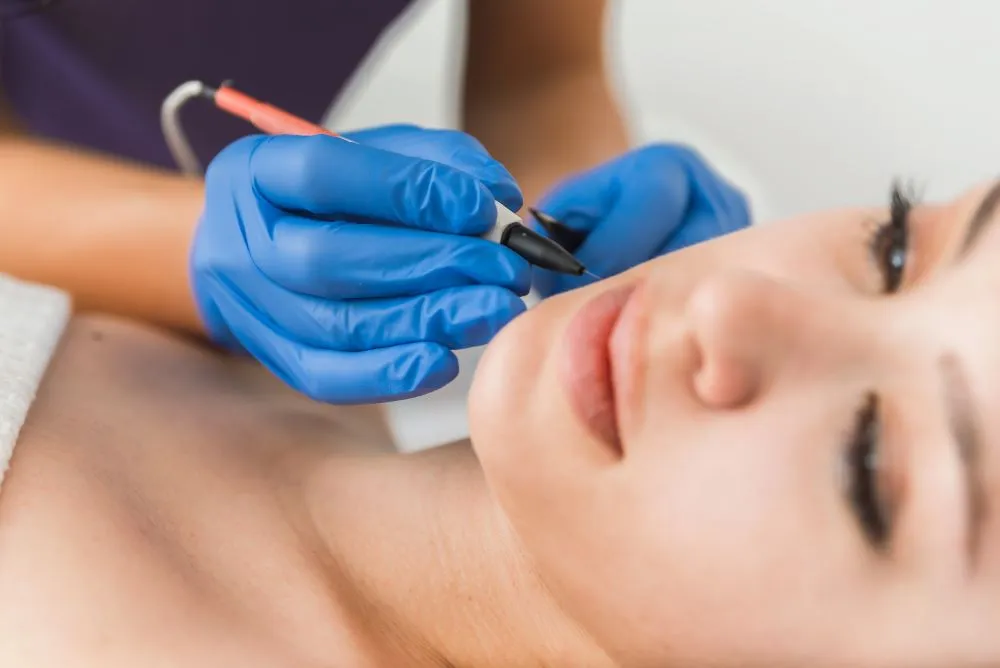
During electrolysis, a very fine probe is inserted into an individual hair follicle. An electrical current is then delivered to damage the cells responsible for hair growth.
Because the follicle is treated individually, electrolysis can permanently remove successfully treated hairs. It was originally developed in part to treat irritating ingrown eyelashes, according to Cleveland Clinic.
Cleveland Clinic also lists electrolysis and laser hair removal among options that may be recommended for more serious or recurring ingrown hairs.
How Does Reducing Hair Help Prevent Ingrown Hairs?
The connection between hair removal and ingrown hairs is relatively straightforward.
When a person frequently shaves, the hair is cut at or near the surface of the skin. As it grows back, the hair may sometimes curve and re-enter the skin.
Reducing the amount of hair that grows in the area can reduce the number of hairs available to become trapped.
Laser hair removal can gradually reduce hair growth over a series of treatments, while electrolysis can permanently remove individual follicles that are successfully treated.
This means these treatments are generally aimed at reducing the underlying hair-growth problem rather than simply removing an individual ingrown hair.
Can Hair Removal Treat an Existing Ingrown Hair?
Electrolysis or laser hair removal should not automatically be viewed as treatment for an actively inflamed or infected ingrown hair.
If an ingrown hair is currently painful, swollen, producing pus, or surrounded by significant redness, the underlying skin problem should be assessed first.
Cleveland Clinic notes that infected ingrown hairs can cause pus, discoloration, and pain and may require medical treatment.
Once the skin has settled and the cause of recurring ingrown hairs has been identified, longer-term hair-reduction options may be considered.
Is Laser Hair Removal Suitable for the Face?
Laser hair removal can be used on selected facial areas, including areas such as the upper lip and chin.
For people who experience frequent shaving-related irritation or ingrown hairs around the beard area, reducing hair growth can reduce the need for repeated shaving.
However, facial hair can be influenced by hormones, and the long-term response may vary. The American Academy of Dermatology notes that laser hair removal can permanently remove hair on most body areas after a series of treatments but is not considered permanent on a woman’s face because of hormonal influences.
A professional assessment is therefore important before treating recurring facial hair or ingrown hairs.
Is Electrolysis Suitable for Facial Ingrown Hairs?
Electrolysis can be useful for individual facial hairs because it targets follicles one at a time.
It can be used on areas such as the upper lip, chin, eyebrows, and other small areas of the face. It also works on different hair colours, including light-coloured hairs that may not respond effectively to conventional laser hair removal.
This can make electrolysis an option when recurring ingrown hairs are associated with individual coarse or unwanted hairs.
The main limitation is that each follicle needs to be treated individually, making electrolysis less practical for very large areas.
Which Areas Can Benefit From Hair Reduction?
Ingrown hairs can occur anywhere hair is regularly removed, but some areas are more commonly affected.
Face and Neck
Frequent shaving can contribute to razor bumps and ingrown hairs, particularly around the beard and neck area.
Underarms
Shaving or other hair-removal methods can sometimes contribute to irritation and ingrown hairs in the underarm area.
Bikini Area
The bikini and pubic areas can be prone to ingrown hairs because of hair texture, friction, shaving, and other forms of hair removal.
Legs
Repeated shaving or waxing can sometimes lead to irritation and trapped hairs on the legs.
Laser hair removal can treat relatively large areas, while electrolysis is more suitable for precise treatment of individual follicles.
How Many Treatments May Be Needed?
Neither electrolysis nor laser hair removal is usually a one-session solution.
Hair grows in cycles, meaning individual follicles are at different stages at different times.
Laser hair removal commonly requires a series of sessions. Cleveland Clinic notes that people may need around six to eight treatments, usually spaced several weeks apart, although individual treatment plans vary.
Electrolysis also requires multiple appointments because individual hairs need to be treated as they enter suitable growth stages. The number of appointments depends on factors such as hair density, treatment area, and hair characteristics.
The objective is gradual reduction of unwanted hair rather than immediate removal of every follicle.
Can Hair Removal Completely Prevent Ingrown Hairs?
No hair-removal method can guarantee that every future ingrown hair will be prevented.
Even after successful hair reduction, other factors can contribute to skin bumps or irritation. These may include friction, skin inflammation, shaving habits, blocked follicles, or conditions that resemble ingrown hairs.
However, reducing the amount of unwanted hair can reduce one of the factors that contributes to recurring ingrown hairs.
For people with frequent or severe ingrown hairs, a dermatologist can help determine whether hair removal is appropriate and whether another skin condition is contributing to the problem.
What Happens After Laser Hair Removal?
Laser treatment can cause temporary redness, swelling, and discomfort.
The American Academy of Dermatology states that these common effects usually last around one to three days. More serious complications, including blistering, infection, scarring, or skin-colour changes, are possible but less common when treatment is appropriately performed.
Protecting treated skin from direct sunlight and following professional aftercare instructions are important parts of recovery.
What Happens After Electrolysis?
Electrolysis may cause temporary redness around treated follicles.
Cleveland Clinic notes that people can generally resume normal activities immediately, although avoiding activities that may irritate the follicles during the first 24 hours may be recommended.
The skin should be treated gently while the temporary reaction settles.
Signs You Should Pay Attention To
Recurring ingrown hairs should not always be treated as a simple shaving problem.
Seek professional advice if you notice:
- Increasing pain
- Significant swelling
- Pus or unusual discharge
- Spreading redness
- Skin that feels unusually warm
- Repeated infections
- Persistent dark marks
- Scarring
- Large or painful bumps
- Ingrown hairs that repeatedly return despite changing hair-removal methods
These symptoms may indicate infection or another skin condition that needs assessment. Cleveland Clinic recommends medical attention when an ingrown hair shows signs such as worsening pain, swelling, warmth, spreading discoloration, or pus.
Checkpoint: Choosing the Right Approach for Ingrown Hairs
Electrolysis and laser hair removal can both play a role in managing recurring ingrown hairs, but they work differently.
Laser hair removal can treat multiple follicles during each treatment and may be useful when ingrown hairs occur across a larger area. It can reduce hair growth over a series of sessions.
Electrolysis treats individual follicles and can permanently remove successfully treated hairs. It can also treat light-coloured hair that may not respond well to laser.
The appropriate choice depends on the treatment area, hair colour, hair thickness, skin tone, number of ingrown hairs, and the individual’s treatment goals.
Electrolysis Laser Hair Removal in Dubai
When considering Electrolysis Laser Hair Removal in Dubai for recurring ingrown hairs, a professional assessment can help identify the underlying cause and determine which hair-removal approach may be suitable.
At Dynamic Life Clinic, treatment planning can be tailored according to factors such as the treatment area, hair characteristics, skin type, and history of ingrown hairs.
For laser treatment, the provider should also have appropriate experience with the patient’s skin tone and use suitable settings. The American Academy of Dermatology recommends discussing expected results, treatment requirements, possible side effects, and the provider’s experience during the consultation.
How Can You Reduce the Risk of Ingrown Hairs?
While professional hair reduction can help, everyday habits can also make a difference.
Helpful practices may include:
- Avoid shaving too closely.
- Use a clean and suitable razor when shaving.
- Shave in the direction of hair growth.
- Avoid repeatedly passing the razor over the same area.
- Keep the skin moisturised.
- Avoid picking or squeezing ingrown hairs.
- Follow professional aftercare instructions after laser or electrolysis.
- Seek medical advice if an ingrown hair becomes infected.
If ingrown hairs continue despite changing shaving or skincare habits, professional assessment may help identify a more suitable long-term approach.
Conclusion
Electrolysis and laser hair removal can both be considered for people who experience recurring ingrown hairs. Laser hair removal reduces hair growth and may be particularly useful when ingrown hairs are associated with frequent shaving over larger areas. Electrolysis treats individual follicles and can permanently remove successfully treated hairs, making it useful for precise treatment of individual unwanted hairs.
Neither treatment should be used as a substitute for medical assessment when an ingrown hair is severely inflamed or infected. The most appropriate option depends on the treatment area, hair colour, skin characteristics, hair density, and the cause of the recurring problem.
A professional consultation can help determine whether electrolysis, laser hair removal, or another approach is appropriate for your skin.
Frequently Asked Questions
1. Can electrolysis laser hair removal treat ingrown hairs?
Yes. Both electrolysis and laser hair removal may help people who experience recurring ingrown hairs by reducing unwanted hair growth.
2. Does laser hair removal reduce ingrown hairs?
Laser hair removal can reduce hair growth and may reduce recurring ingrown hairs, particularly when shaving is a major trigger.
3. Can electrolysis permanently remove hairs that cause ingrown hairs?
Electrolysis can permanently remove successfully treated individual hair follicles, which may help when recurring ingrown hairs are caused by specific unwanted hairs.
4. Can laser hair removal treat an active ingrown hair?
Laser hair removal is generally used as a longer-term hair-reduction approach rather than as treatment for an actively infected or severely inflamed ingrown hair. Such symptoms should be professionally assessed first.
5. Can electrolysis treat facial ingrown hairs?
Yes. Electrolysis can be used on facial areas such as the upper lip and chin and may be useful for individual unwanted hairs.
6. Is laser hair removal useful for beard-related ingrown hairs?
Yes. The American Academy of Dermatology notes that laser hair removal can help men with persistent razor burn or ingrown hairs associated with shaving by reducing or eliminating beard hair.
7. How many laser treatments are needed for ingrown hairs?
The number varies according to the area, hair characteristics, skin type, and individual response. A course of several treatments is generally required.
8. Does electrolysis work on light-coloured hair?
Yes. Electrolysis can treat light-coloured hair because it does not rely on hair pigment in the same way laser hair removal does.
9. What should I do if an ingrown hair is infected?
If you notice pus, worsening pain, significant swelling, spreading redness, or warmth around the area, seek medical advice rather than attempting to treat the problem yourself.
10. Which treatment is suitable for recurring ingrown hairs?
The appropriate treatment depends on the hair type, skin tone, treatment area, severity of the problem, and individual goals. A professional assessment can help determine whether laser hair removal, electrolysis, or another treatment is appropriate.