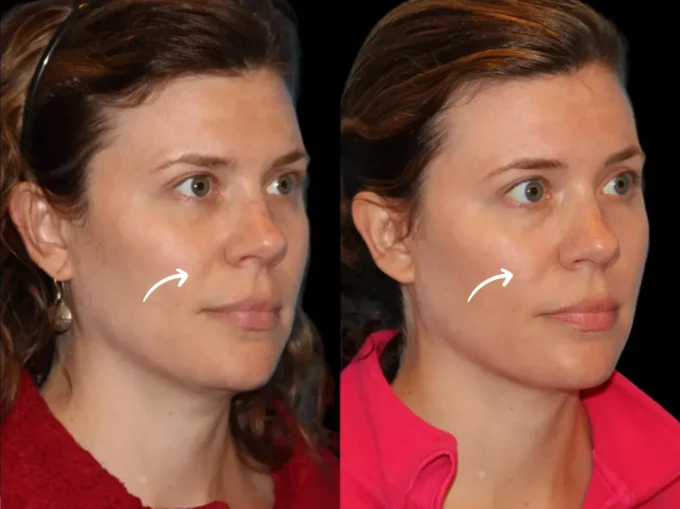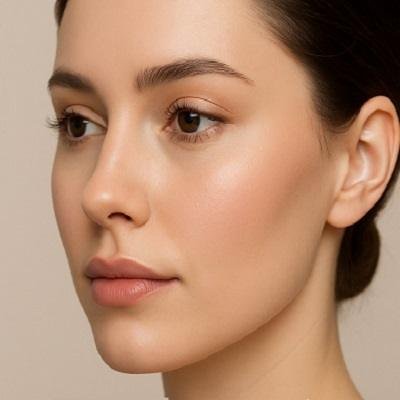
Sunken cheeks can make the face appear thinner, tired, or less youthful, particularly when natural facial volume decreases with age. Face Rejuvenation in Dubai offers an approach that uses a patient’s own fat to improve selected areas of volume loss. At Dynamic Life Clinic, facial fat transfer may be considered for individuals who want to restore cheek fullness while maintaining natural-looking facial proportions.
Understanding the Causes of Sunken Cheeks
Cheek hollowness can develop for several reasons, including ageing, genetics, weight loss, and changes in the distribution of facial fat. As the natural fat beneath the skin decreases or shifts, the cheeks may lose their rounded appearance. Reduced collagen and skin elasticity can also make volume loss more noticeable. Identifying the underlying cause is important because not every type of cheek hollowing can be corrected with fat transfer alone.
How Fat Transfer Improves Cheek Fullness
Facial fat transfer involves collecting fat from a donor area, commonly the abdomen or thighs, and preparing it for injection into selected facial regions. The surgeon places small amounts of processed fat into the cheeks to improve volume and create smoother contours. This can make hollow areas appear fuller and help restore balance between the cheeks and surrounding facial features. The amount transferred is planned according to the patient’s anatomy and desired outcome.
Creating Natural-Looking Cheek Contours
A natural result depends on placing the appropriate amount of fat in the correct areas. Adding too much volume may make the cheeks appear overly rounded or disproportionate. Surgeons therefore assess the cheekbones, lower face, temples, and overall facial structure before planning treatment. A conservative approach can help maintain the patient’s natural features while addressing noticeable hollowness.
Facial Areas That May Benefit From Volume Restoration
Sunken cheeks sometimes occur alongside volume loss in other facial regions. Depending on the patient’s anatomy, fat transfer may be considered for selected areas to create a more balanced appearance.
-
Upper cheeks: Additional volume may improve a flattened appearance and enhance cheek contours.
-
Mid-cheek area: Carefully placed fat may soften visible hollowness.
-
Lower cheek region: Selected patients may benefit from improved transitions between the cheeks and lower face.
-
Temples: Treating temple hollows may help balance the overall facial appearance.
Each area requires individual assessment because the appropriate injection depth and amount of fat vary across the face.
Factors That Influence Cheek Fat Transfer Results
The outcome of facial fat transfer depends on several individual factors. Not all injected fat survives, and some of the transferred tissue is naturally reabsorbed during healing.
Important considerations include:
-
Existing facial anatomy: Natural cheekbone structure affects the final contour.
-
Available donor fat: The amount and quality of harvested tissue influence treatment planning.
-
Fat retention: The surviving fat determines how much volume remains after recovery.
-
Skin quality: Elasticity and thickness affect how the restored volume appears.
-
Weight stability: Significant weight changes can influence the volume of transferred fat.
-
Surgical technique: Careful harvesting, processing, and placement are important for balanced results.
The final appearance develops gradually, and complete retention of transferred fat cannot be guaranteed.
Recovery After Cheek Fat Transfer
Swelling, bruising, tenderness, and temporary unevenness may occur after the procedure. These effects can affect both the cheeks and the donor area where fat was collected. Swelling generally improves as healing progresses, while the final cheek contours may take several months to settle. Patients should follow their surgeon’s advice about sleeping positions, avoiding pressure on the treated areas, keeping incisions clean, and gradually returning to normal activities.
Checkpoint: Important Considerations Before Treatment
Cheek fat transfer is a surgical procedure, so patients should understand its suitability, limitations, and potential complications before making a decision. A consultation helps determine whether the hollowness is caused by volume loss and whether fat transfer is an appropriate option.
-
General health: Medical conditions and medications should be reviewed before surgery.
-
Donor fat availability: Sufficient suitable fat must be available for harvesting.
-
Realistic expectations: The procedure can improve selected hollows but cannot change the underlying cheekbone structure.
-
Skin laxity: Significant loose skin may require a different or additional treatment.
-
Potential complications: Infection, bleeding, prolonged swelling, asymmetry, lumps, contour irregularities, and partial fat absorption are possible.
-
Specialist experience: Detailed knowledge of facial anatomy is important because rare but serious vascular complications can occur.
Frequently Asked Questions
People considering cheek fat transfer often want to understand how the procedure works and what kind of improvement they may expect. The following answers address common concerns about this approach to restoring facial fullness.
Can Fat Transfer Make Sunken Cheeks Look Fuller?
Yes, fat transfer can add volume to selected hollow areas and improve cheek fullness. The degree of improvement depends on facial anatomy, the amount of fat transferred, and how much of the tissue survives.
Does Cheek Fat Transfer Use the Patient’s Own Fat?
Yes, the procedure uses fat collected from another area of the patient’s body, such as the abdomen or thighs. The harvested tissue is processed before being injected into the selected cheek areas.
How Long Do Cheek Fat Transfer Results Last?
Some transferred fat may survive and provide long-lasting volume, while some is naturally absorbed. Ageing and significant weight changes can also affect the appearance of the cheeks over time.
Can Fat Transfer Improve Naturally Hollow Cheeks?
It may help people with naturally hollow cheeks if their anatomy and donor fat availability make them suitable candidates. A surgeon must assess facial proportions to determine whether additional volume would create a balanced appearance.
Is Cheek Fat Transfer Suitable for Everyone?
No, suitability depends on general health, available donor fat, facial structure, and treatment expectations. People with certain medical conditions or significant skin laxity may need another approach.
Conclusion
Facial fat transfer can improve sunken cheeks by adding volume to selected hollow areas and creating softer facial contours. Because the procedure uses the patient’s own fat, it offers an option for people seeking natural-tissue volume restoration. However, fat retention varies, and the treatment involves surgical risks and recovery. A detailed assessment by a qualified surgeon helps determine whether cheek fat transfer is suitable for achieving balanced, natural-looking results.