Weight management has changed considerably in recent years. Alongside traditional approaches such as balanced nutrition and regular physical activity, people now have access to a growing range of cosmetic and medical treatments designed to address unwanted fat. Among these options, Fat Melting Injections have attracted attention because they can target specific areas of localized fat without traditional surgery.
This popularity naturally raises an important question: Can fat melting injections replace a healthy diet?
The short answer is no. Fat melting injections and a healthy diet serve very different purposes. Injectable fat-reduction treatments may help improve the appearance of particular areas, but they do not provide the nutrients the body needs, do not establish healthy eating habits, and generally are not intended to replace comprehensive weight-management strategies.
Understanding the difference can help individuals develop realistic expectations and make safer decisions about fat reduction treatments.
What Are Fat Melting Injections?
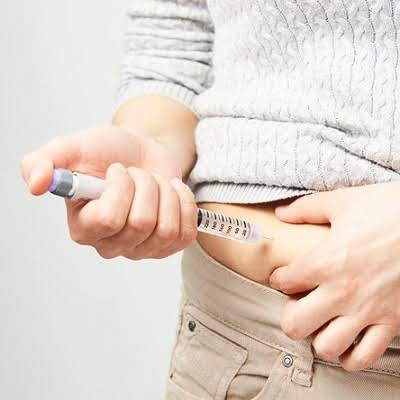
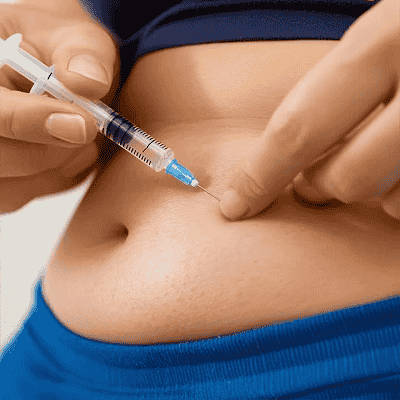
Fat melting injections are injectable treatments intended to reduce fat cells in selected areas of the body. Depending on the specific product, an active ingredient may disrupt fat-cell membranes, allowing the body to gradually process the affected cells.
One well-known injectable fat-reduction ingredient is deoxycholic acid, which has been used in certain approved treatments for localized fat. However, products marketed under terms such as “fat melting injections,” “fat dissolving injections,” or “fat reduction injections” are not necessarily identical.
Their ingredients, approved uses, evidence, and safety profiles can vary.
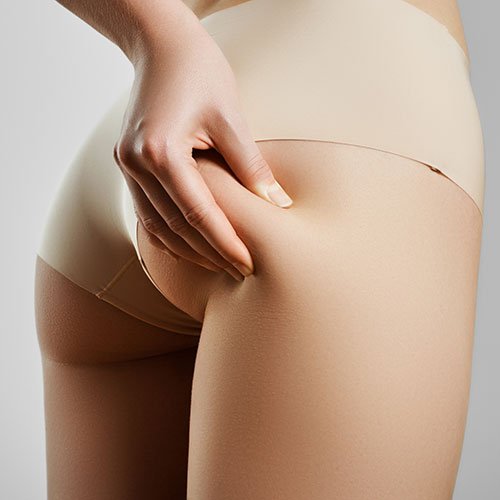
These treatments are generally associated with localized body contouring, rather than broad weight management. For example, an appropriately selected treatment may be considered for a small pocket of unwanted fat in an area where overall weight is relatively stable.
That is very different from changing the body’s overall nutritional status or treating obesity.
Why Fat Melting Injections Cannot Replace a Healthy Diet
A healthy diet does much more than influence body weight. Food supplies protein, carbohydrates, fats, vitamins, minerals, fiber, and other nutrients needed for energy, tissue repair, immune function, hormone production, and normal body processes.
Fat melting injections do none of these things.
Even if an injectable successfully reduces fat in a particular area, it does not teach the body how to maintain a healthy nutritional balance. It also does not automatically improve food choices, eating patterns, physical fitness, blood pressure, cholesterol levels, or other aspects of general health.
A healthy eating pattern can support long-term health by providing a variety of nutrient-dense foods. Vegetables, fruits, whole grains, legumes, lean protein sources, and appropriate amounts of healthy fats can all contribute to a balanced diet.
Therefore, an injectable treatment should be viewed as a potential body-contouring option, not as a nutritional solution.
Fat Reduction and Weight Management Are Not the Same
One of the most important concepts for anyone considering fat melting injections is the difference between fat reduction and weight management.
Body weight can be influenced by several factors, including muscle, bone, water, organs, and body fat. A localized fat-reduction treatment targets a particular area and does not necessarily cause a meaningful reduction in total body weight.
Weight management is much broader.
It may involve:
-
Eating a nutritionally balanced diet
-
Maintaining appropriate calorie intake
-
Regular physical activity
-
Adequate sleep
-
Stress management
-
Behavioral changes
-
Management of underlying health conditions
-
Medical treatment when appropriate
Fat melting injections may address one cosmetic concern within this larger picture, but they cannot perform all of these functions.
This distinction is especially important for people who are hoping to lose a substantial amount of weight. A localized injectable treatment is unlikely to provide the same results as a comprehensive weight-management plan.
Can Fat Melting Injections Work Alongside Healthy Habits?
For some individuals, fat melting injections may be considered alongside healthy lifestyle habits rather than instead of them.
A person may maintain a stable weight through nutritious eating and regular activity while still having a small area of stubborn fat that does not respond to lifestyle changes in the way they would prefer. In such circumstances, an appropriate body-contouring treatment may be discussed with a qualified healthcare professional.
Healthy habits can also help maintain the overall results of a body-contouring procedure.
For example, significant weight gain after localized fat reduction can change body contours because the remaining fat cells can enlarge. Destroying or reducing fat cells in one area does not prevent weight gain elsewhere.
This is why a balanced approach is generally more sensible than viewing fat melting injections as a shortcut around healthy habits.
What Results Should Someone Expect?
Expectations play a major role in determining whether someone is satisfied with an aesthetic treatment.
Fat melting injections are not typically designed to produce dramatic, rapid weight loss. Their purpose is usually to improve the contour of a particular area by reducing localized fat.
Results can take time because the body needs to process the treated cells. Some people may require more than one treatment session, depending on the specific product, treatment area, amount of fat, and individual response.
Temporary swelling, tenderness, bruising, redness, or numbness may also occur following treatment. These reactions can make the treated area appear different during the early recovery period, so immediate changes should not necessarily be interpreted as the final result.
A consultation should include a discussion of what the treatment can realistically accomplish. If someone is expecting a substantial change on the bathroom scale, a localized fat-reduction treatment may not meet those expectations.
The Importance of a Balanced Diet After Treatment
A healthy diet remains relevant before, during, and after an aesthetic fat-reduction procedure.
Good nutrition supports general health and provides the body with the nutrients required for normal healing and everyday function. It can also make it easier to maintain a stable weight over time.
A balanced approach does not require extreme dieting. In many cases, sustainable eating habits are more useful than short-term restrictions.
A healthy dietary pattern can include a variety of foods such as vegetables, fruits, whole grains, beans and other legumes, protein-rich foods, and sources of unsaturated fats. Portion awareness and moderation can also help people maintain an appropriate energy balance.
The goal is not simply to eat less. It is to develop eating habits that can realistically be maintained over the long term.
This is one reason injections cannot replace nutrition: an injectable treatment can target fat cells, while a healthy diet supports the body’s broader nutritional needs every day.
Are Fat Melting Injections Suitable for Everyone?
No. Suitability depends on the specific product, treatment area, medical history, and individual’s goals.
A qualified healthcare professional should assess whether localized fat is actually the primary concern. In some cases, loose skin, muscle structure, overall body composition, or significant excess weight may be more important factors.
People should also understand exactly what product is being offered. Not every product advertised online or in aesthetic settings has the same level of clinical evidence or regulatory authorization.
Potential side effects can include swelling, pain, bruising, redness, tenderness, temporary numbness, or firmness. More serious complications can occur, particularly when an injectable is administered incorrectly or an unsuitable product is used.
A proper consultation should therefore cover the product’s active ingredient, intended use, potential risks, expected benefits, alternatives, and aftercare.
How to Approach Fat Melting Injections Responsibly
Anyone considering fat melting injections should begin with realistic goals.
If the main concern is significant overall weight, a person may benefit more from a comprehensive weight-management approach than from a localized cosmetic procedure.
If the concern is a small area of stubborn fat despite relatively stable weight and healthy habits, a body-contouring consultation may be more appropriate.
Several questions can help guide the decision:
-
Is the goal overall weight loss or localized contour improvement?
-
What exact injectable product is being considered?
-
Is the product authorized for the intended treatment area?
-
What results are realistically expected?
-
How many sessions might be required?
-
What temporary and potential long-term side effects should be understood?
-
Are there alternatives that may be more appropriate?
These questions can help prevent unrealistic expectations and encourage informed decision-making.
Most importantly, an injectable should not be marketed or understood as permission to abandon healthy eating or physical activity.
Final Thoughts
So, can fat melting injections replace a healthy diet?
They cannot.
Fat melting injections may have a role in reducing localized fat and improving body contours for appropriately selected individuals. However, they do not provide essential nutrients, establish healthy eating patterns, improve overall nutrition, or replace the broader benefits of a healthy lifestyle.
The most practical approach is to view the two as completely different tools. A balanced diet and regular physical activity support overall health and long-term weight management, while an appropriate fat-reduction treatment may address a specific cosmetic concern.
For anyone considering fat melting injections, the decision should be based on realistic expectations, an understanding of the exact product being used, and guidance from a suitably qualified healthcare professional. When treatment is appropriate, it can potentially complement healthy habits rather than compete with them.
Frequently Asked Questions
1. Can fat melting injections replace dieting for weight loss?
No. Fat melting injections are generally intended for localized fat reduction rather than comprehensive weight management. They do not provide essential nutrients or replace the health benefits of a balanced diet.
2. Do fat melting injections help reduce body weight?
They may reduce fat in a specific treated area, but they are not generally intended to produce substantial overall weight loss. Their primary purpose is often body contouring.
3. Should someone maintain a healthy diet after fat melting injections?
Yes. Healthy eating remains important for overall health and maintaining a stable weight. Weight gain can affect body contours even after localized fat cells have been treated.
4. Can fat return after fat melting injections?
The specific fat cells successfully destroyed by an appropriate treatment may not return, depending on the treatment used. However, remaining fat cells can enlarge with weight gain, potentially changing the appearance of the treated area or other areas of the body.
5. Are fat melting injections a substitute for exercise?
No. Exercise provides benefits that localized fat-reduction treatments cannot provide, including support for cardiovascular fitness, muscle strength, mobility, and overall physical health.
6. Who should consider fat melting injections?
They may be considered by appropriately selected individuals who have localized areas of unwanted fat and realistic expectations. A qualified healthcare professional should assess the person’s goals, health history, treatment area, and the specific injectable before treatment.
Read More About Fat Melting Injections: https://app.getbeamer.com/product5395/en/fat-melting-injections-how-many-sessions-do-you-need-MfYMu0G1