Hair loss can gradually change the appearance of the scalp, especially when thinning begins around the temples, frontal hairline, or crown. For some individuals, these changes make everyday hairstyles difficult to maintain and encourage them to explore modern hair restoration treatments. hair transplant in islamabad offers a potential option for suitable candidates who want to improve hair coverage and achieve a more balanced appearance.
Follicular Unit Extraction (FUE) is a hair transplantation technique that involves extracting individual follicular units from a donor area and placing them into regions affected by permanent hair loss. At enfield royal clinic in islamabad, patients can learn about the procedure, discuss their concerns, and explore a treatment plan based on their individual hair restoration needs.
What Is FUE Hair Transplantation?
FUE is performed by removing individual follicular units, usually from the back or sides of the scalp, and transplanting them into areas with reduced hair density. These follicles are carefully placed to complement the patient’s existing hair pattern.
Unlike strip-based hair transplantation, FUE does not require removing a long section of scalp. However, it can still produce small scars, and the appearance of the donor area depends on the extraction technique, healing, and hairstyle.
People researching hair transplant in islamabad should understand that the procedure redistributes existing follicles rather than creating new ones. The objective is to make effective use of the available donor hair while improving the appearance of thinning areas.
Why Is Individual Hair Assessment Necessary?
Every person experiences hair loss differently. Some individuals develop a receding hairline, while others notice thinning across the crown or widespread reduction in density. These differences influence the treatment approach.
A consultation should include an examination of the scalp, assessment of donor hair, review of medical history, and discussion of expectations. The cause of hair loss also matters because sudden shedding or certain scalp conditions may require medical evaluation before transplantation.
At enfield royal clinic in islamabad, patients can discuss their concerns with dr adnan bashir and ask which factors may affect their suitability for FUE. Understanding the available donor supply and likely progression of hair loss can help establish realistic treatment goals.
Can FUE Restore a Receding Hairline?
FUE may improve the appearance of a receding hairline by transferring suitable follicles to areas where hair has become sparse. However, the design needs to suit the person’s facial proportions, age, and existing hair characteristics.
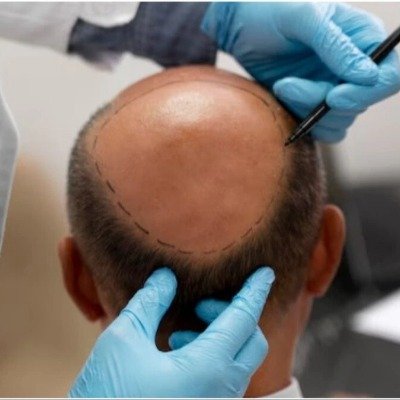
A natural hairline usually includes a gradual transition between the forehead and the transplanted hair. The direction, angle, and placement of grafts help the new hair blend with surrounding growth.
When considering hair transplant in islamabad, patients should discuss their preferred hairline and ask what level of density is achievable. A conservative design may also preserve donor hair for possible future treatment.
What Happens Before and During FUE?
Preparation starts with a consultation and an examination of the donor and recipient areas. The treatment plan identifies the areas that need coverage and estimates how many grafts may be appropriate.
Local anaesthesia is commonly used during the procedure. Individual follicular units are extracted with specialised instruments, after which recipient sites are prepared and the grafts are implanted according to the planned distribution.
The procedure’s duration varies depending on the number of grafts and the complexity of the treatment. Patients exploring hair transplant in islamabad should ask who will perform the extraction and implantation, what infection-prevention measures are followed, and how grafts are handled.
At enfield royal clinic in islamabad, prospective patients should discuss these details before making their final decision.
How Does Hair Growth Progress After Transplantation?
Hair transplantation involves a gradual recovery process. During the initial weeks, the scalp may develop mild redness, swelling, tenderness, or small crusts. These effects usually improve as healing progresses.
The transplanted hair shafts often shed during the first several weeks. This is commonly part of the normal hair cycle and does not necessarily mean the procedure has failed.
New growth generally becomes noticeable over the following months, with more visible improvement often developing between six and twelve months. Some individuals may need longer for the transplanted hair to mature.
People choosing hair transplant in islamabad should be patient and follow their clinician’s aftercare instructions. Final density varies, and no procedure can guarantee an identical result for every patient.
What Aftercare Is Important Following FUE?
Proper aftercare helps protect the scalp during healing. Patients should follow instructions regarding washing, sleeping position, physical activity, and avoiding unnecessary contact with the transplanted area.
Scratching the scalp or removing crusts forcefully should be avoided. Strenuous exercise and activities that could injure the scalp may also need to be restricted temporarily.
Patients should seek medical advice if they experience increasing pain, spreading redness, fever, or unusual discharge. These symptoms may require prompt assessment.
At enfield royal clinic in islamabad, patients should ask about follow-up arrangements and how to contact the clinical team if concerns arise during recovery.
Can Hair Loss Continue After FUE?
Yes. Hair transplantation does not prevent untreated hair from continuing to thin. Although transplanted follicles may retain characteristics of their donor area, surrounding natural hair can still be affected by pattern baldness.
Long-term planning is therefore important. A clinician may discuss suitable medical treatments, depending on the cause of hair loss and the patient’s health. Future hair loss, donor supply, and the possibility of additional procedures should all be considered.
Before selecting hair transplant in islamabad, patients should discuss these factors with dr adnan bashir and ask how the treatment plan accounts for potential changes over time.
How Do You Choose the Right Hair Restoration Clinic?
A considered decision involves more than looking at advertised results. Patients should verify the treating clinician’s qualifications, understand who performs each stage of the procedure, and ask about hygiene standards, risks, and follow-up care.
enfield royal clinic in islamabad can be a starting point for discussing FUE and understanding what an individual treatment plan may involve. Patients should receive clear information about the expected outcome, recovery timeline, and potential complications, including scarring, infection, temporary shock loss, and uneven growth.