Hair fall is one of the most common hair and scalp concerns affecting both men and women. Finding more hair on your pillow, noticing extra strands while shampooing, or seeing your hair part becoming wider can be worrying. However, hair fall does not always mean permanent baldness.
If you are searching for hair fall treatment in Delhi, it is important to understand that effective treatment begins with identifying the underlying cause. Genetics, nutritional deficiencies, hormonal changes, stress, scalp conditions, and certain medications can all contribute to hair loss.
At Dermalife Skin & Hair Clinic in Green Park Extension, New Delhi, patients can enquire about professional hair and scalp assessment with Dr. Gaurav Garg. Whether you need guidance for excessive shedding, thinning hair, or a receding hairline, understanding the cause can help you explore appropriate treatment options.
This guide explains common hair fall causes, diagnostic methods, available treatments, and when to consult a dermatologist for hair loss in Delhi, Noida, or Gurgaon.
What Is Normal Hair Fall?
Hair grows in a repeating cycle consisting of growth, transition, resting, and shedding phases. Losing some hair daily is a normal part of this process.
However, persistent shedding or visible thinning may indicate an underlying issue that requires assessment.
Consider consulting a hair loss doctor in Delhi if you notice:
-
Persistent or unusually heavy hair shedding
-
A receding hairline or thinning crown
-
A widening central parting
-
Reduced hair density
-
Sudden bald patches
-
Hair breakage or changes in hair texture
-
Scalp itching, redness, scaling, or discomfort
These symptoms can have different causes, so the right hair fall treatment depends on an accurate diagnosis.
7 Common Causes of Hair Fall
1. Genetic Hair Loss
Androgenetic alopecia, also known as hereditary hair loss, is a common cause of progressive thinning in men and women.
Men may develop a receding hairline or thinning crown, while women often notice reduced density over the top of the scalp or a widening parting.
If you are looking for hair thinning treatment in Delhi, a clinical assessment can help determine whether the pattern is consistent with hereditary hair loss and which treatments may be suitable.
2. Stress and Telogen Effluvium
Physical or emotional stress can disrupt the hair growth cycle. Significant illness, surgery, childbirth, rapid weight loss, or another major stressor may trigger telogen effluvium.
This condition causes increased shedding, which may become noticeable several weeks to a few months after the triggering event.
Many cases improve when the underlying trigger resolves. However, prolonged shedding should be assessed to rule out other causes of hair loss.
3. Nutritional Deficiencies
Low iron stores, inadequate protein intake, and certain nutritional deficiencies may contribute to hair problems in some individuals.
If you are considering hair fall treatment, avoid assuming that supplements alone will solve the problem. A dermatologist may recommend appropriate investigations based on your symptoms, dietary history, and examination.
Correcting a confirmed deficiency can support recovery, but unnecessary supplementation is not a universal solution for hair loss.
4. Hormonal Changes
Hormonal changes associated with pregnancy, the postpartum period, thyroid disorders, and certain hormonal conditions may affect hair growth.
Women who experience thinning alongside irregular periods, acne, or increased facial hair may need further evaluation.
Female hair loss treatment in Delhi should be selected according to the cause of thinning, medical history, and individual needs rather than relying on a one-size-fits-all approach.
5. Scalp Conditions
Scalp disorders such as seborrhoeic dermatitis, psoriasis, and certain fungal infections can cause itching, scaling, inflammation, and sometimes hair loss.
Some inflammatory conditions can permanently damage hair follicles if not treated promptly.
If you are searching for a dermatologist for hair fall in Delhi and have persistent scalp irritation, painful areas, crusting, or bald patches, seek a medical assessment instead of relying only on cosmetic hair products.
6. Hairstyles and Hair Damage
Repeated pulling from tight ponytails, braids, or extensions can cause traction alopecia. Frequent bleaching, chemical straightening, excessive heat styling, and rough brushing may also cause hair breakage.
Changing damaging styling habits can help reduce further injury. Long-standing traction can sometimes lead to permanent hair loss.
7. Medications and Medical Conditions
Certain medications and medical conditions can affect the hair growth cycle.
If your hair fall begins after starting a medicine or experiencing an illness, discuss the timing with your clinician. Do not stop prescribed medication without speaking to the prescribing healthcare professional.
How Is the Cause of Hair Fall Diagnosed?
A proper hair loss diagnosis involves more than counting shed strands or examining photographs. Different conditions may look similar but need different treatment approaches.
A professional hair and scalp assessment may include:
-
Medical history: When the shedding started, family history, recent illness, stress, diet, and medications.
-
Scalp examination: Assessment of thinning patterns, inflammation, hair breakage, and scalp health.
-
Hair assessment: Magnification or other examination methods when clinically appropriate.
-
Blood tests: Investigations for iron deficiency, thyroid dysfunction, or other suspected causes when indicated.
-
Treatment planning: Recommendations based on the diagnosis, severity, medical history, and goals.
Not every patient requires every test. A qualified clinician should guide the investigation according to individual findings.
Hair Fall Treatment in Delhi: What Are the Available Options?
There is no single hair fall treatment that works for every person. The right approach depends on whether the problem involves temporary shedding, hereditary hair loss, nutritional deficiencies, hormonal changes, or a scalp disorder.
Medical Treatment for Hair Loss
Certain evidence-based medicines can help manage hereditary hair loss. Topical minoxidil is one commonly used option, while other medicines may be appropriate for selected patients under medical supervision.
Treatment selection depends on individual circumstances, potential side effects, medical history, and pregnancy considerations where relevant.
If you are searching online for the best hair fall treatment in Delhi, remember that treatment effectiveness depends on the diagnosis—not simply on a clinic’s promotional claims.
Nutritional Correction
When investigations identify a relevant deficiency, correcting it may help support hair recovery.
A balanced diet with adequate protein and essential nutrients supports general health. Supplements should be selected according to individual needs rather than taken indiscriminately.
Treatment for Scalp Disorders
If inflammation, infection, or another scalp condition is causing hair loss, treating that condition is an important part of recovery.
A dermatologist may recommend prescribed medicines, medicated shampoos, or other targeted treatment depending on the diagnosis.
PRP Therapy for Hair Loss
Platelet-rich plasma (PRP) therapy uses a preparation derived from the patient’s own blood. Some clinics offer PRP for selected hair loss conditions.
Evidence varies according to the condition and treatment protocol, and results are not guaranteed. PRP should not replace a proper diagnosis or treatments with stronger evidence when those are indicated.
Patients exploring PRP for hair loss in Delhi should ask about suitability, expected benefits, limitations, possible side effects, and the recommended follow-up plan.
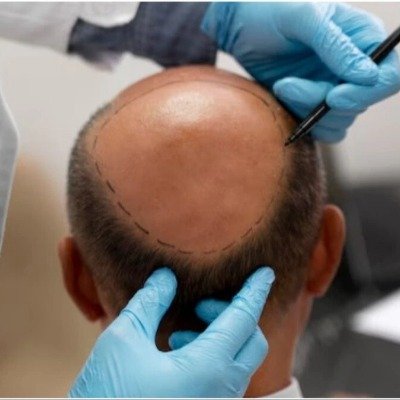
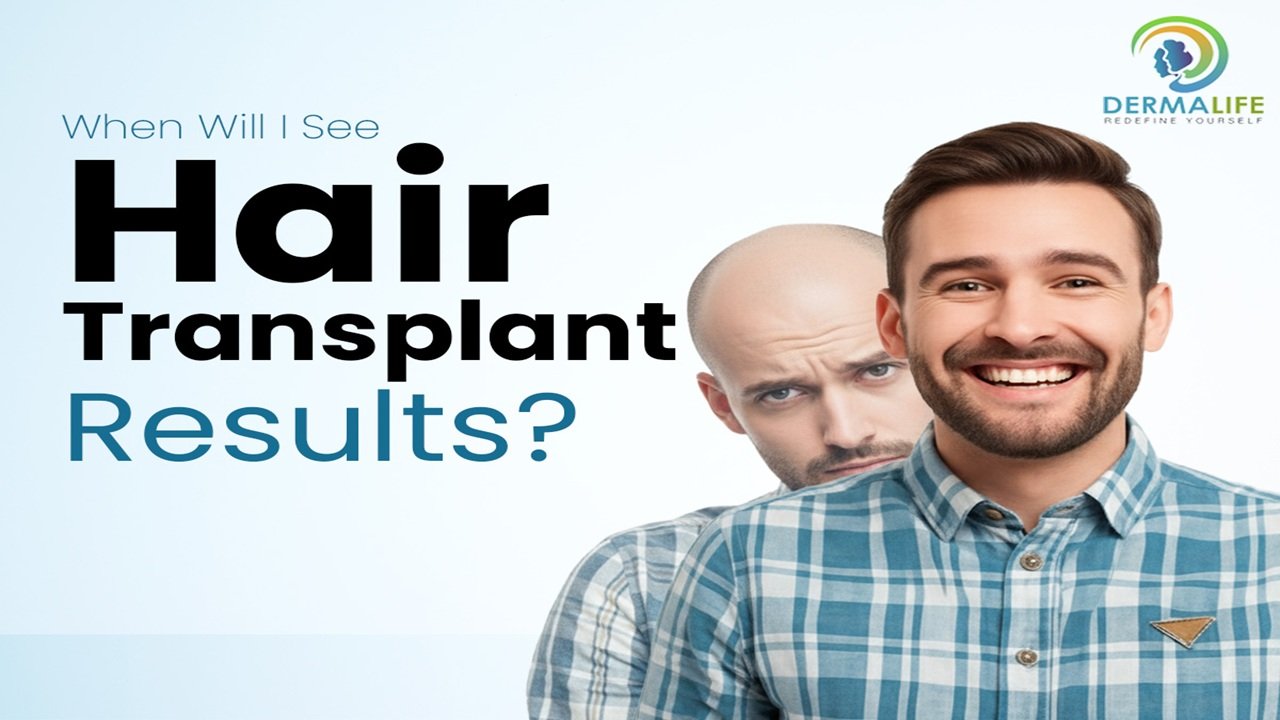
Hair Transplantation for Selected Patients
Hair transplantation may be an option for suitable patients with certain forms of permanent hair loss, particularly androgenetic alopecia.
It is generally not the first step for unexplained sudden shedding or temporary hair loss. Donor hair availability, scalp health, future hair loss progression, and realistic expectations all matter.
A hair transplant redistributes existing follicles; it does not stop untreated native hair from thinning in the future.
If you are researching hair transplant treatment in Delhi, first establish whether surgery is appropriate for your specific condition.
Female Hair Loss Treatment in Delhi
Hair thinning in women can have several causes, including hereditary hair loss, postpartum shedding, nutritional deficiencies, thyroid disorders, and certain hormonal conditions.
Female hair loss treatment should begin with identifying the pattern and possible triggers. Depending on the findings, treatment may include targeted medical therapy, correction of deficiencies, management of scalp disorders, or other appropriate options.
Women experiencing sudden shedding, irregular periods alongside hair thinning, or scalp symptoms should seek an individual assessment rather than starting medication or supplements without guidance.
Can Hair Fall Be Reversed Naturally?
Some forms of hair shedding improve when a temporary trigger resolves. However, hereditary hair loss and certain inflammatory conditions may require ongoing medical treatment.
Helpful hair care habits include:
-
Eating a balanced diet with sufficient protein
-
Avoiding crash diets and rapid weight loss
-
Handling wet hair gently
-
Limiting excessive heat and harsh chemical treatments
-
Avoiding hairstyles that repeatedly pull on the roots
-
Seeking medical advice for persistent or rapidly progressing hair loss
Oils and cosmetic serums may improve hair manageability, but they cannot reliably treat every underlying medical cause of hair fall.
How Long Does Hair Fall Treatment Take to Work?
Hair recovery is gradual because follicles follow a natural growth cycle. Even after a trigger is addressed, visible improvement may take several months.
Temporary shedding may settle over time, while hereditary hair loss generally requires ongoing management. Certain inflammatory or scarring conditions need prompt attention.
Photographs taken under similar lighting and with similar hairstyles can help monitor changes. Follow-up appointments allow your clinician to assess progress and adjust treatment when necessary.
Hair Fall Treatment in Noida and Gurgaon
People searching for hair fall treatment in Noida or hair loss treatment in Gurgaon (Gurugram) may also consider specialist consultations in New Delhi, depending on their travel preferences and treatment needs.
Dermalife Skin & Hair Clinic, located in Green Park Extension, New Delhi, is an option to enquire with if you are seeking an assessment for hair loss and scalp concerns.
Before choosing a clinic, ask about the diagnostic process, treatment options, expected timeline, possible side effects, and follow-up arrangements. Confirm consultation availability and current services directly with the clinic before travelling from Noida or Gurgaon.
How to Choose a Hair Loss Clinic in Delhi
When evaluating a hair fall clinic in Delhi, consider more than advertisements or claims of rapid results.
Look for a clinic that:
-
Assesses the cause of hair loss before recommending treatment.
-
Explains the benefits and limitations of available options.
-
Discusses potential risks and side effects.
-
Recommends investigations when clinically appropriate.
-
Provides a realistic treatment and follow-up plan.
-
Avoids guarantees of complete or permanent regrowth.
A personalised treatment plan can help you make an informed decision and avoid unnecessary procedures or products.
Frequently Asked Questions About Hair Fall Treatment
What is the most common cause of hair fall?
Hereditary hair loss is a common cause of progressive thinning. Temporary shedding may also occur after illness, stress, childbirth, or nutritional problems. The likely cause depends on the pattern and timing of symptoms.
Which doctor should I consult for hair fall in Delhi?
A qualified dermatologist can assess hair and scalp problems, identify possible causes, and recommend appropriate investigations or treatment. Ask about the clinician’s verified qualifications and experience.
Which vitamin deficiency causes hair fall?
Iron deficiency and certain other nutritional deficiencies may contribute to hair loss. However, not every case is caused by a deficiency. Testing should be guided by symptoms and clinical assessment.
Does oiling stop hair fall?
Oiling may reduce friction and improve hair manageability for some people, but it does not reliably treat hereditary hair loss, hormonal conditions, or other medical causes of shedding.
Is hair fall always permanent?
No. Many forms of temporary shedding improve when the underlying trigger resolves. Hereditary hair loss and certain inflammatory or scarring conditions may require ongoing management.
Can stress cause hair fall?
Yes. Significant physical or emotional stress can trigger telogen effluvium, in which increased shedding often becomes noticeable after a delay. Persistent or severe symptoms should be evaluated.
Where can I get hair fall treatment in Delhi?
You can contact Dermalife Skin & Hair Clinic in Green Park Extension, New Delhi, to enquire about a hair and scalp assessment with Dr. Gaurav Garg. Confirm current services and appointment availability directly with the clinic.
Conclusion: Find the Right Hair Fall Treatment for Your Needs
Hair fall is a symptom rather than a diagnosis. Genetics, stress, nutritional deficiencies, hormonal changes, scalp disorders, and other factors can all contribute to shedding or thinning.
If you are searching for hair fall treatment in Delhi, female hair loss treatment, or hair loss treatment in Noida or Gurgaon, begin by identifying the likely cause. A professional assessment can help you understand suitable options and set realistic expectations.
Enquire about a hair and scalp consultation at Dermalife Skin & Hair Clinic, Green Park Extension, New Delhi.
Clinic: Dermalife Skin & Hair Clinic
Location: Green Park Extension, New Delhi
Website: https://dermalife.co.in/
Medical content note: This article is for educational purposes and is not a substitute for personalised medical advice. Treatment suitability and results vary from person to person.