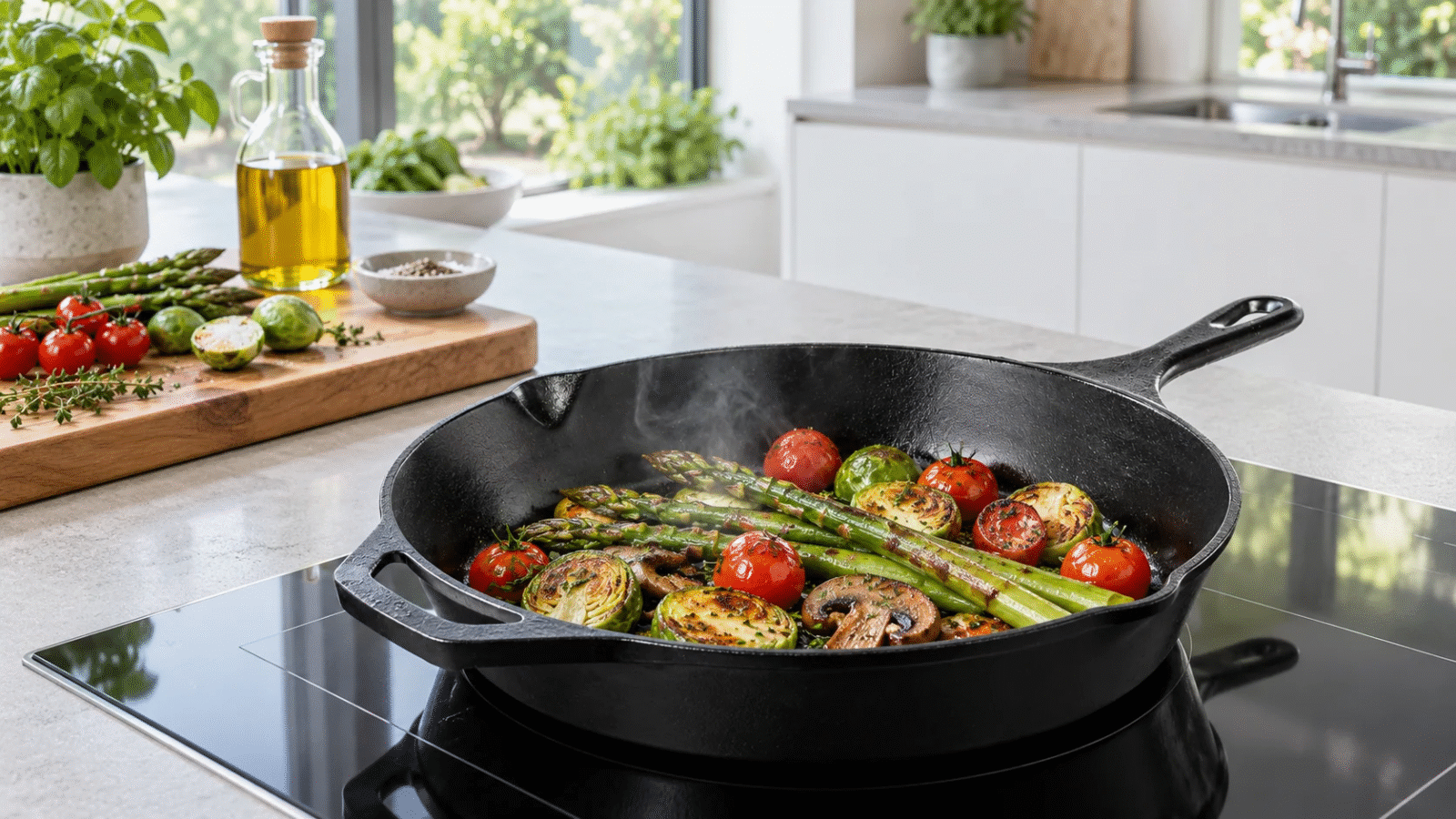
Small kitchens require smart decisions. When cupboard space is limited, every pan, pot, and cooking accessory needs to earn its place. This is especially important when choosing cast iron cookware, which is known for its durability and excellent heat retention but can be heavier and bulkier than other kitchen essentials.
The good news is that you do not need a complete cookware collection to enjoy the benefits of cast iron. With just one or two versatile pieces, you can prepare breakfast, cook family dinners, roast vegetables, sear meat, and even bake certain desserts.
The secret is to choose cookware that serves multiple purposes instead of buying separate pans for every recipe. This guide explains which cast iron pieces are most useful in a small kitchen, how to store them efficiently, and how to find Affordable Cast Iron Cookware without sacrificing practical value.
Why Cast Iron Works Well in Small Kitchens
Cast iron is a practical choice for compact kitchens because a single pan can handle several cooking methods. A well-maintained skillet can move from the hob to the oven, provided the product and its components are oven-safe. This makes it useful for recipes that begin with frying and finish with baking or roasting.
Cast iron also retains heat effectively, which helps with browning and searing. It can be used to prepare eggs, vegetables, burgers, chicken, cornbread, and many one-pan meals.
Another advantage is durability. Traditional cast iron can last for many years with suitable care, reducing the need to replace cookware frequently.
However, cast iron is not automatically the best option for every kitchen. Its weight can make handling difficult, and larger pans take up more storage space. For this reason, choosing the right size is just as important as choosing the right type.
1. Start With One Versatile Cast Iron Skillet
If you have room for only one piece of cast iron cookware, a skillet is usually the best starting point.
A cast iron skillet can perform several jobs without requiring additional equipment. You can fry eggs, sear steaks, sauté vegetables, cook burgers, roast potatoes, and prepare simple baked dishes in the same pan.
This versatility makes it especially valuable in studio flats, small apartments, and homes with limited cupboard space.
What Size Skillet Is Best for a Small Kitchen?
A 10-inch skillet is a useful option for individuals, couples, and smaller households. It offers enough cooking space for many everyday meals while remaining more manageable than larger pans.
A 12-inch skillet provides additional room for family portions, but it is heavier and requires more storage space. Before buying one, consider your hob size, available cupboard dimensions, and typical portion sizes.
For many small households, one appropriately sized skillet is more useful than owning three smaller pans that perform similar tasks.
How One Skillet Can Replace Multiple Pans
A skillet can handle frying, browning, sautéing, and oven finishing. For example, you can brown chicken on the hob, add vegetables, and transfer the pan to the oven to complete the meal.
You can also use it for breakfast potatoes, grilled sandwiches, and skillet desserts. Although it cannot replace every specialised cooking vessel, it covers enough everyday tasks to reduce the number of pans you need.
2. Add a Dutch Oven Only If You Need One
A cast iron Dutch oven is the second piece worth considering, but it is not essential for everyone.
Its deep body and heavy lid make it suitable for soups, stews, casseroles, braised meats, and homemade bread. It can also support batch cooking, allowing you to prepare several servings in one pot.
For small kitchens, a Dutch oven is particularly useful because it combines the functions of a cooking pot and an oven-safe casserole dish, provided the model is designed for both uses.
Is a Dutch Oven Worth the Storage Space?
The answer depends on what you cook.
If you regularly prepare soups, curries, slow-cooked meals, or family dinners, a Dutch oven may be a worthwhile addition. It can reduce the need for separate pots and oven dishes.
However, if your meals mostly involve quick frying, eggs, vegetables, and simple recipes, your skillet may already cover most of your needs.
Consider your weekly cooking routine before purchasing a Dutch oven. Its versatility is valuable, but the extra weight and storage space should justify the purchase.
3. Skip Specialised Pieces Unless You Use Them Regularly
Cast iron cookware comes in many forms, including griddles, grill pans, combo cookers, and baking dishes. These products can be useful, but a small kitchen rarely needs all of them.
A cast iron griddle is helpful for pancakes, flatbreads, and grilled sandwiches. However, a skillet can prepare many of the same foods.
A combo cooker may appeal to people who bake bread because some designs combine a deep pan with a shallower lid that can also be used as a cooking surface. Yet it may be unnecessary if you rarely bake.
Before buying another piece, ask whether it provides a function that your existing cookware cannot perform conveniently. If the answer is no, keeping your collection small may be the better choice.
4. Choose Affordable Cast Iron Cookware That Offers Real Value
A small kitchen does not require expensive cookware or a large matching set. In fact, buying fewer, more versatile items can make it easier to stay within budget.
Affordable Cast Iron Cookware can offer excellent value when you prioritise durability, suitable dimensions, and practical design instead of unnecessary extras.
When comparing products, look at the pan’s size, weight, handle design, cooking surface, and compatibility with your hob. Pre-seasoned traditional cast iron can be convenient because it arrives with an initial protective layer.
You should also check whether the cookware is oven-safe and whether its handle or lid has any temperature restrictions.
A basic skillet that you use every day may offer better value than a large collection of specialised pieces that spend most of their time in storage.
Should You Buy a Cast Iron Set?
A complete set may appear economical, but it is not always the best choice for a compact kitchen. Sets can contain multiple pieces that overlap in function, increasing storage requirements without adding much practical value.
Instead, start with one skillet and add a Dutch oven only if your cooking habits justify it. This approach spreads the cost over time and helps prevent clutter.
5. Make the Most of Limited Storage Space
Cast iron is durable, but its weight and size require a little planning when storage space is limited.
Start by choosing cookware that fits your existing cupboards. Measure the available space before purchasing a large skillet or Dutch oven, and consider whether the handles make the product difficult to fit on a shelf.
Store Cookware Without Creating Clutter
If you own several pieces, nesting them may help save space, provided the shapes allow it. Place a soft protective layer between traditional cast iron pieces to reduce scratches and protect seasoning. For enameled cookware, use suitable protection to prevent the coating from chipping.
You can also store a skillet inside a larger oven or another suitable storage area when it is completely clean and dry. Avoid stacking heavy cookware where it could fall or become difficult to lift safely.
Keep frequently used cookware within easy reach. A pan that is awkward to retrieve may become less convenient for everyday cooking.
6. Understand the Difference Between Seasoned and Enameled Cast Iron
Your choice of finish can affect both maintenance and convenience.
Traditional seasoned cast iron has a protective layer created by heating oil on the surface. It works well for frying, searing, and roasting, but it must be dried thoroughly after cleaning to prevent rust.
Many traditional skillets arrive pre-seasoned, making them convenient for beginners. You may need to maintain or renew the seasoning as the pan ages.
Enameled cast iron has a protective coating that generally does not require seasoning. It is useful for slow cooking and acidic recipes, such as tomato-based sauces, but the enamel can chip if handled roughly.
For a small kitchen, either option can work well. Choose traditional cast iron if you are comfortable with its maintenance, or consider enamel if you prefer a coated surface that suits your usual recipes.
7. Maintain Cast Iron Without Buying Extra Products
One advantage of cast iron is that routine care can be relatively simple.
After cooking with traditional cast iron, clean it according to the manufacturer’s guidance, dry it thoroughly, and apply a very thin layer of cooking oil when appropriate. Do not leave it soaking in water or store it while damp.
Use moderate heat when preheating because cast iron retains warmth for a long time. Excessive heat is not always necessary and can make cooking less predictable.
For enameled cast iron, follow the specific cleaning instructions and avoid sudden temperature changes. Appropriate utensils and careful handling can help protect the coating.
You do not need a cupboard full of specialist accessories to care for basic cast iron cookware. Simple, consistent maintenance is usually more important than buying additional products.
Frequently Asked Questions About Cast Iron for Small Kitchens
How many pieces of cast iron cookware do I really need?
Most people can begin with one skillet. Add a Dutch oven if you regularly prepare soups, stews, casseroles, or other meals that need a deeper pot.
Is cast iron too heavy for a small kitchen?
Not necessarily. A smaller skillet can be manageable, but consider its weight before buying. Larger pans may be difficult to lift, especially when filled with food.
Can one cast iron skillet replace several pans?
It can replace several everyday pans for frying, searing, sautéing, roasting, and some baking tasks. However, it cannot fully replace specialised pots and dishes for every recipe.
Is affordable cast iron cookware a good investment?
Yes. Affordable Cast Iron Cookware can provide long-term value when you choose a well-made piece that suits your cooking needs and maintain it properly.
Should I choose a skillet or a Dutch oven first?
A skillet is usually the better first purchase because it handles a wider range of quick, everyday cooking tasks. Choose a Dutch oven first only if slow cooking and one-pot meals are central to your routine.
Final Thoughts
A small kitchen does not need a large cookware collection. One versatile cast iron skillet can handle many everyday meals, while a Dutch oven can provide additional functionality if you regularly prepare slow-cooked dishes.
Focus on useful design, suitable size, manageable weight, and easy storage rather than buying every available piece. Affordable Cast Iron Cookware can be a smart investment when it meets your needs without filling your cupboards with items you rarely use.
Start with the essentials, learn how to care for them, and add another piece only when it solves a genuine cooking problem. With a thoughtful approach, even the smallest kitchen can benefit from the versatility and durability of cast iron.