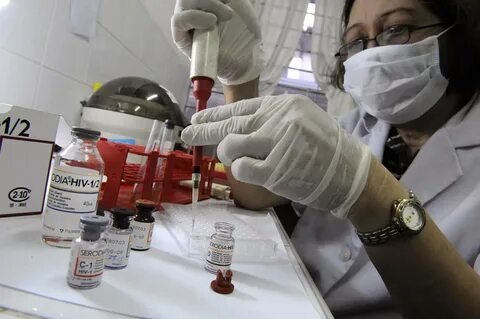
A creatinine clearance test is a kidney function test used to estimate how efficiently the kidneys remove creatinine from the blood. Because creatinine is produced naturally by muscles and normally filtered by the kidneys, measuring how much creatinine appears in urine compared with the amount in blood can provide useful information about kidney filtration.
The test commonly involves a 24-hour urine collection along with a blood sample. Although Creatinine Clearance Test in Dubai can provide valuable information about renal function, it is an estimate rather than a direct measurement of the kidneys’ filtration rate.
Understanding what the test measures, why it is performed, and what high or low results may mean can make your laboratory report easier to understand.
Why Is a Creatinine Clearance Test Performed?
Your kidneys continuously filter waste products from the bloodstream and remove them through urine. Creatinine is one of those waste products.
When kidney filtration changes, the amount of creatinine cleared from the blood may also change. A clinician may recommend a creatinine clearance test when more information about kidney filtration is needed.
Possible reasons include:
-
Assessing kidney function
-
Investigating suspected kidney disease
-
Evaluating changes in renal function over time
-
Providing additional information when blood-based kidney measurements need clarification
-
Assessing kidney function in selected clinical situations
-
Supporting certain medication dosing decisions where kidney filtration is important
The test is not usually interpreted on its own. Medical history, symptoms, blood creatinine, urine findings, and other kidney function tests may all contribute to the overall assessment.
What Exactly Does Creatinine Clearance Measure?
Creatinine clearance estimates how efficiently the kidneys remove creatinine from the bloodstream.
The calculation generally considers:
-
Creatinine concentration in urine
-
Creatinine concentration in blood
-
The amount of urine produced during the collection period
-
The length of time over which urine was collected
This information is used to estimate the volume of blood plasma from which creatinine is cleared by the kidneys over a specific period.
In simple terms, the test asks:
How efficiently are the kidneys clearing creatinine from the blood?
It is important to understand that creatinine clearance is not exactly the same as the glomerular filtration rate (GFR). Creatinine can be handled by the kidneys in ways that cause creatinine clearance to differ somewhat from the actual GFR.
Creatinine Clearance Test and the 24-Hour Urine Collection
One of the most important parts of this test is collecting urine correctly.
A typical protocol uses a 24-hour urine collection. You may receive a special container and instructions from the laboratory or healthcare professional.
The process generally involves collecting all urine during the specified period. Depending on the instructions, the first urine may be excluded when the collection begins, with subsequent urine collected until the scheduled end time.
The exact procedure can vary, so the instructions provided by your healthcare professional or laboratory should be followed carefully.
Why Accurate Collection Matters
The calculation depends partly on the total amount of creatinine collected in urine. If some urine is accidentally missed, the final result may not accurately represent kidney filtration.
Similarly, collecting urine outside the required time period can affect the calculation.
If you forget to collect a sample, spill part of the urine, or are unsure whether the collection was completed correctly, tell the healthcare professional or laboratory. Do not assume that the result will automatically be accurate.
What Happens During the Blood Test?
A blood sample is generally collected to measure the serum creatinine level.
Serum creatinine provides an important part of the creatinine clearance calculation because the test compares blood creatinine with urinary creatinine and urine volume.
The blood sample is usually collected during or around the urine collection period according to the laboratory’s protocol.
Unlike the urine portion, the blood draw itself is usually brief. You may experience a small amount of discomfort or bruising at the collection site.
How Should You Read a Creatinine Clearance Result?
A creatinine clearance result is generally reported as a calculated value, often expressed in units such as mL/min.
However, there is no single number that should automatically be considered normal for every person.
Interpretation can depend on factors such as:
-
Age
-
Sex
-
Body size
-
Muscle mass
-
Serum creatinine
-
Urine creatinine
-
Collection accuracy
-
Laboratory methods
-
Overall health
-
Other kidney test results
For this reason, the reference range provided by the laboratory and the clinical context are important.
A result should not be interpreted simply by comparing it with a number found online.
What Can a Low Creatinine Clearance Mean?
A low creatinine clearance may indicate that the kidneys are filtering creatinine less efficiently.
Reduced kidney filtration can occur for several reasons, including kidney disease or other conditions that affect renal function. However, a single low result does not automatically establish a diagnosis.
The result should be considered alongside other information, such as:
-
Serum creatinine
-
eGFR
-
Urinalysis
-
Urine albumin or protein measurements
-
Blood pressure
-
Medical history
-
Symptoms
-
Previous kidney function results
Persistent abnormalities or additional evidence of kidney damage may be more clinically significant than an isolated result.
Does a Low Result Always Mean Kidney Disease?
No.
An unexpectedly low creatinine clearance can sometimes be influenced by an inaccurate urine collection or factors affecting creatinine production and handling.
This is why healthcare professionals may review the collection process and other laboratory findings before deciding what the result means.
What Does a High Creatinine Clearance Mean?
A higher-than-expected creatinine clearance does not automatically mean that the kidneys are healthier than normal.
In some circumstances, increased kidney filtration, sometimes referred to as hyperfiltration, can occur. The clinical significance depends on the person’s overall health and the reason the test was performed.
A high result may also be influenced by differences in creatinine production, body composition, collection accuracy, or other factors.
Therefore, a higher value should be interpreted in context rather than viewed as automatically positive.
Creatinine Clearance vs. eGFR: Are They the Same?
Creatinine clearance and estimated glomerular filtration rate (eGFR) are related but different measures.
Creatinine clearance typically uses measured urine creatinine, blood creatinine, urine volume, and collection time. It therefore depends heavily on accurate timed urine collection.
eGFR, on the other hand, is generally calculated from blood creatinine using an established equation and other relevant characteristics.
Both are used to assess kidney function, but they should not be treated as interchangeable numbers.
For routine kidney health assessment, eGFR is commonly used because it does not require a timed urine collection. In selected situations, however, a clinician may consider measured creatinine clearance or another method when additional information is needed.
Factors That Can Affect Creatinine Clearance Results
Creatinine clearance is influenced by more than kidney filtration alone.
Muscle Mass
Creatinine is produced from normal muscle metabolism. People with substantially different muscle mass may have different creatinine production rates, which can influence interpretation.
Diet and Physical Activity
Dietary intake and recent physical activity can affect creatinine levels in some circumstances. Your healthcare professional may advise you about any preparation requirements before testing.
Age
Kidney filtration and creatinine production can change with age, so age is considered when evaluating kidney function.
Urine Collection Errors
Missing urine during a timed collection can significantly affect the calculated clearance.
Medications and Health Conditions
Some medications and medical conditions can influence creatinine levels, kidney function, or creatinine handling. Tell your healthcare professional about prescription medicines, over-the-counter products, and supplements you use rather than stopping anything on your own.
Does an Abnormal Result Mean You Have Chronic Kidney Disease?
Not necessarily.
Chronic kidney disease (CKD) is not diagnosed solely from one abnormal creatinine clearance result. Doctors generally consider whether reduced kidney function or other evidence of kidney damage is persistent over time.
Other findings may include abnormalities in urine, such as increased albumin, or structural evidence of kidney problems.
If your creatinine clearance is abnormal, your healthcare professional may compare it with previous results and order additional tests when appropriate.
What Other Kidney Tests May Be Used?
Creatinine clearance is only one part of kidney function assessment.
Depending on the clinical situation, your healthcare professional may consider:
-
Serum creatinine
-
eGFR
-
Urinalysis
-
Urine albumin-to-creatinine ratio
-
Blood urea nitrogen
-
Electrolytes
-
Other kidney-related blood or urine tests
These tests provide different types of information. A combination can often give a clearer picture than any single measurement.
How Can You Prepare for a Creatinine Clearance Test?
Preparation depends on the laboratory and the reason for testing.
Before the test, ask whether you need to change your diet, exercise routine, fluid intake, or medication schedule. Do not make medication changes unless your healthcare professional tells you to do so.
Most importantly, understand the urine collection instructions before starting. Accurate timing and complete collection are essential for a meaningful result.
When Should You Discuss Your Results With a Healthcare Professional?
You should discuss an abnormal creatinine clearance result with the clinician who ordered the test, particularly if you have symptoms or a history of kidney problems.
Seek prompt medical attention if you develop concerning symptoms such as markedly reduced urine output, significant swelling, severe shortness of breath, chest symptoms, confusion, or other rapidly worsening symptoms.
Your healthcare professional can determine whether the result needs to be repeated, compared with previous testing, or investigated with additional kidney function tests.
Frequently Asked Questions About Creatinine Clearance
Is creatinine clearance a direct measurement of GFR?
No. Creatinine clearance is an estimate of kidney filtration based on creatinine levels in blood and urine. It is related to GFR but is not a direct measurement of the kidneys’ filtration rate.
Is a 24-hour urine collection always required?
A timed urine collection is commonly used for creatinine clearance, often over 24 hours. However, testing protocols can vary, so follow the specific instructions provided by your healthcare professional or laboratory.
Can a high creatinine clearance be a problem?
It can be clinically relevant in certain circumstances. A high value does not automatically mean superior kidney health because increased filtration can occur in some conditions.
What if I accidentally miss some urine during the collection?
Tell the laboratory or healthcare professional. Missing part of the collection can affect the accuracy of the calculated result, and you may be advised whether the test needs to be repeated.
Is creatinine clearance enough to diagnose kidney disease?
No. Kidney disease is assessed using multiple factors, including kidney function measurements, urine findings, medical history, and whether abnormalities persist over time.
The Bottom Line
The creatinine clearance test provides an estimate of how effectively the kidneys remove creatinine from the bloodstream. It commonly combines a timed urine collection with a blood creatinine measurement to provide information about renal filtration.
A low result may suggest reduced kidney filtration, while a high result can have several possible explanations and does not automatically indicate better kidney health. Accurate urine collection, laboratory reference information, and individual health factors are essential for proper interpretation.
If your creatinine clearance result is outside the expected range, avoid interpreting the number in isolation. Comparing it with serum creatinine, eGFR, urine tests, symptoms, and previous kidney function results can provide a much more meaningful picture of your kidney health.