Custom Retail Packaging: How to Choose Boxes That Sell Your Product on the Shelf
A shopper walks down an aisle and picks up maybe one product in ten. Most of the time, the decision happens before they read a single word on the label. The shape, color, and feel of the box do the first round of selling.
That’s the job of retail packaging. It protects the product, but it also has to catch attention, explain what’s inside, and make the brand look worth the price. This guide covers the main box styles, materials, and printing choices, plus a few practical tips for ordering without wasting money.
What Is Custom Retail Packaging?
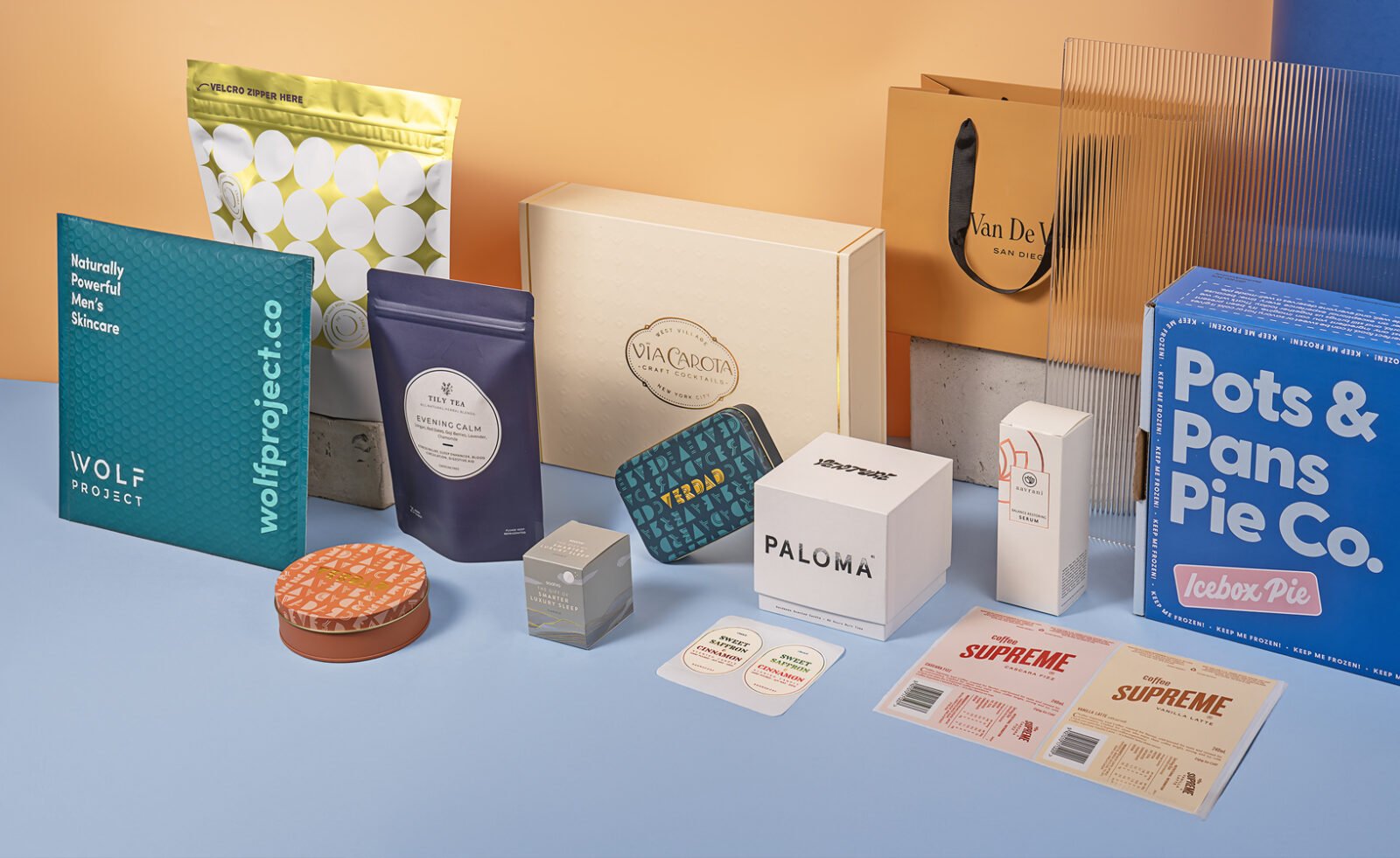
Custom retail packaging is any box made to fit your specific product, with your branding printed on it, designed to sit on a shelf, hang on a hook, or ship to a customer. Unlike stock boxes, you choose the structure, size, material, and print.
It’s used by retail stores, direct-to-consumer brands, subscription box companies, and small businesses just getting started. The goal is the same for all of them: keep products looking consistent whether they’re in a store, in a promotion, or in a customer’s mailbox.
If you want to see the full range in one place, take a look at these custom retail packaging options built for stores, DTC brands, and online sellers.
Popular Retail Box Styles
Different products need different boxes. Here are the styles you’ll see most often.
Tuck boxes. Simple, lightweight, and easy to open. A tuck box has a lid that folds into the front, and it’s common for cosmetics, supplements, and small electronics.
Pillow boxes. The curved, pillow-like shape suits light items such as accessories, gifts, and giveaways. They’re quick to pack and look charming on a counter.
Gable boxes. These have a handle-style top and work well for gifts, takeout, baked goods, and seasonal food items.
Display boxes. Built to sit on a counter or shelf with the product visible. They’re a smart choice for candy, small accessories, and impulse buys near the register.
Window boxes. A cut-out panel lets shoppers see the product without opening the box. Bath products and premium retail items often use this style.
Sleeve boxes. A tray slides inside a printed sleeve. They look polished and work well for subscription products and premium gifts.
Tray boxes. A sturdy base with a lift-off or slide-out lid. They give a high-end unboxing feel, which makes them popular for gifts.
Hanging boxes. A built-in tab lets the box hang on a retail hook, which saves shelf space and keeps the product at eye level.
Hexagon boxes. The six-sided shape is unusual and sturdy, so it stands out on a crowded shelf.
PR boxes. Made for product launches and influencer campaigns. A well-designed PR box can get your product talked about before it reaches stores.
Choosing the Right Material
The material changes how your box looks, feels, and holds up. Here’s what each common option offers.
SBS (Solid Bleached Sulfate). A smooth, bright white board that prints very well. It’s available in coated one-side (C1S) and coated two-side (C2S) versions and is a good fit for retail and eCommerce packaging where print quality matters.
CRB (Coated Recycled Board). Made from recycled fiber with a white coating. It balances cost, print quality, and sustainability, which makes it a popular middle option.
Kraft paper / CUK. A strong brown paperboard with a natural look. It suits brands that want an earthy, eco-friendly feel, and it takes print well.
Thickness. Standard retail boxes usually range from 16pt to 28pt. Lighter products like cosmetics are fine at the thinner end. Heavier items need thicker board.
A simple rule of thumb: start with the weight of your product, then decide how the box will be handled. A box that sits on a shelf has different needs than one that also gets shipped to customers.
Printing and Branding Options
Printing is where your box starts to look like your brand. A few things to think about:
- Full color or limited color. Full-color printing suits detailed artwork. One or two colors can look clean and premium, and they cost less.
- Inside and outside. Printing the interior adds a nice surprise when the customer opens the box.
- Color accuracy. CMYK works for most designs. If you need an exact brand color, ask about Pantone (PMS) matching.
- Print method. Offset printing suits larger runs. Digital printing is useful for smaller quantities, tests, and limited-time events.
- Dielines. Artwork has to be set up on the exact box template, so a good supplier will prepare or check your files against it.
You don’t have to use every option. A strong logo, a simple layout, and a good material often look better than a crowded design.
Finishing Touches That Make a Difference
Finishes change how a box feels in the hand, which matters more than most people expect. Matte coatings give a soft, modern look. Gloss makes colors pop. Embossing and foil add texture and shine.
The best approach is to pick one or two details that suit your brand. A single foil logo on a matte box often looks more expensive than five effects layered together.
Who Uses Custom Retail Packaging?
Almost any product business can benefit. Some of the most common users are:
- DTC brands, who need packaging that works on a shelf and in the mail
- Retail stores that want consistent packaging across a product line
- Subscription box companies that ship the same product mix each month
- Small businesses and startups launching a first product
- Fashion, beauty, food, and electronics brands
Whatever your category, the box should match the product’s price and personality. A premium skincare line and a candy brand need very different packaging.
How to Order Custom Retail Packaging
The process is usually simple.
- Send your requirements. Share the product dimensions, preferred material, quantity, and any printing or finishing ideas.
- Approve the design and price. You’ll review the structure, a digital proof, and the cost before production starts.
- Production and delivery. Your boxes are made, packed, and shipped to you anywhere in the country.
Ask for a sample if you can. Holding the box lets you check the fit, the material, and the print before you commit to a full order.
Common Mistakes to Avoid
Skipping the product measurements. A box that’s slightly off looks sloppy and can damage the product. Measure carefully, including any inserts.
Choosing a style that doesn’t suit the display. A hanging box needs a hook. A display box needs counter space. Think about where your product will actually sit.
Overloading the design. Too many colors, finishes, and messages make it hard to read at a glance. Shoppers decide fast, so keep it clear.
Ignoring lead times. Complex designs, special finishes, and approvals take longer. Order earlier than you think you need to, especially before busy seasons.
Forgetting online sales. If you sell both in stores and online, make sure the box can handle shipping too.
Frequently Asked Questions
What materials are common for retail boxes?
SBS, CRB, kraft paper, chipboard, and corrugated board are the most common. The right choice depends on product weight and how the box will be used.
How long does production take?
It depends on the design, printing method, and finishing. Standard offset-printed orders can move quickly, while more complex custom designs may take about 7 to 14 business days, plus time for approvals.
Can I order a small test batch?
Often, yes. Digital printing makes smaller runs possible, which is useful for testing a product or preparing for an event.
Are eco-friendly options available?
Yes. Recycled board, FSC-certified materials, and soy-based inks are all options for brands that want to lower their footprint.
Can I get a sample first?
Samples are generally available before full production, though it depends on the box type.
Can the same box work in stores and online?
Yes. Retail packaging can serve both point-of-sale and DTC shipments.