Electricity management is becoming increasingly data-driven as residential, commercial, and industrial facilities seek clearer visibility into how power is consumed. Sub-metering provides a way to monitor electricity use at a more granular level, helping facility operators and occupants understand consumption patterns and identify areas where energy use can be managed more effectively.
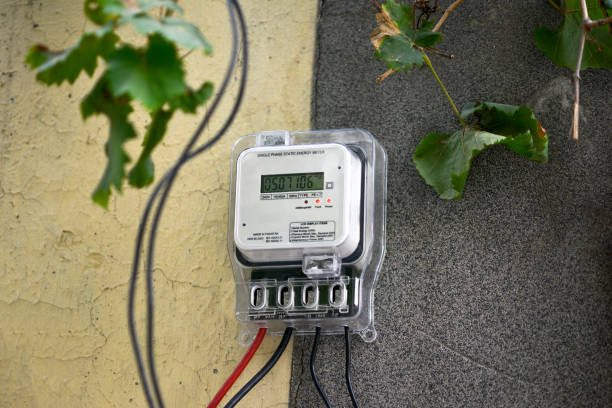
The Electric Sub Meter Market covers devices used to measure and monitor electricity consumption within individual facilities, equipment, units, or designated areas. The technology can support more accurate usage tracking, improve transparency in electricity allocation, and provide consumption information that can contribute to better energy management. The electric sub-metering industry analysis also highlights the growing relevance of real-time monitoring, smart metering, and energy-efficiency initiatives.
As electricity systems become more connected, the role of sub-metering is moving beyond basic measurement. Digital meters can provide more detailed consumption information and support communication between metering infrastructure and energy-management systems. This shift is particularly relevant in buildings where multiple users, equipment loads, or tenants need to be monitored separately.
Energy Efficiency Is Increasing the Need for Granular Monitoring
One of the major factors supporting adoption is the growing focus on energy efficiency across different sectors. Conventional electricity measurement may provide an overall consumption figure, but sub-metering can divide usage into more specific areas. This makes it easier to identify consumption patterns, compare loads, and investigate potential energy wastage.
Government and industry efforts to improve energy efficiency are also strengthening the importance of measurement and monitoring technologies. The International Energy Agency notes that digital technologies such as sensors and smart meters can gather and analyse energy-use data, supporting greater control and optimisation of consumption. :chatgpt-content-reference{index=”0″}
Smart Metering Is Changing Electricity Management
Smart sub-meters represent an important technological direction within the industry. Unlike conventional approaches that rely more heavily on manual readings, smart systems can provide digital consumption information and support remote monitoring. These capabilities can reduce dependence on manual data collection while improving the availability of information for energy-management decisions.
The increasing integration of connected technologies is also changing how electricity data can be used. Smart metering infrastructure can provide more frequent information about consumption and support communication between meters and connected systems. The IEA identifies smart-meter data as an increasingly important component of modern grid monitoring and operational visibility.
For building owners and facility managers, this development can make electricity monitoring more actionable. Consumption data can be reviewed across different spaces, equipment categories, or occupancy areas, allowing users to identify unusual patterns and assess where operational adjustments may be appropriate.
Retail and Multi-Tenant Buildings Offer Growth Opportunities
The expansion of retail and multi-tenant properties creates another important application area. Shopping centres, commercial complexes, and other buildings can contain several occupants with different electricity requirements. A common utility measurement approach may not clearly distinguish individual consumption, creating challenges for accurate cost allocation.
Sub-metering can address this issue by measuring electricity consumption at the individual unit or tenant level. More granular measurement can support usage-based allocation, giving property managers and occupants clearer information about electricity consumption. This application is particularly relevant as retail infrastructure expands across developing markets and urban areas.
Residential Adoption Remains an Important Application
Residential buildings are another significant area of interest because households increasingly require better visibility into electricity consumption. Sub-meters can help distinguish usage between individual units or specific electrical loads, depending on how the system is configured. Better information can also make it easier for residents and property managers to identify consumption trends.
The growing construction of residential buildings in rapidly urbanising regions can further create opportunities for metering infrastructure. In densely populated markets, electricity monitoring can become increasingly relevant as housing developments include multiple residential units and more electrically powered appliances and systems.
Initial Installation Costs Remain a Key Challenge
Despite the benefits associated with granular electricity monitoring, the upfront cost of installation can limit adoption among cost-sensitive users. Expenses may include the metering equipment itself, installation work, communication infrastructure, system integration, and associated maintenance requirements.
Limited awareness can present another barrier, particularly in markets where users are less familiar with the operational and energy-management benefits of sub-metering. Wider adoption therefore depends not only on technological availability but also on whether building owners, consumers, and facility operators recognise the practical value of more detailed electricity information.
Asia-Pacific Shows Strong Potential for Deployment
Regional development is closely connected with construction activity, urbanisation, and investment in electricity infrastructure. Asia-Pacific has been identified as an important growth area because of rising residential and commercial construction and the increasing need for energy monitoring within expanding building stock.
The region’s growing emphasis on smart-grid infrastructure can further support the integration of advanced metering technologies. As electricity networks become more digital, the ability to collect and use detailed consumption information becomes increasingly relevant for both end users and energy-system stakeholders.
Future Direction of Sub-Metering Technology
The evolution of sub-metering is likely to remain closely connected with digitalisation, smart buildings, and energy-management systems. Greater connectivity can allow electricity data to move from simple measurement toward monitoring, analysis, and operational decision-making.
At the same time, successful deployment will depend on practical considerations such as installation economics, data reliability, interoperability, cybersecurity, and user awareness. As energy systems become more digital and electricity demand grows across buildings and industry, granular measurement can remain an important component of efforts to improve visibility and manage consumption more efficiently.
Overall, the industry is being shaped by the convergence of energy efficiency, smart metering, building development, and digital electricity management. The underlying emphasis is shifting from simply recording electricity consumption toward generating useful information that can support more informed energy-management practices.