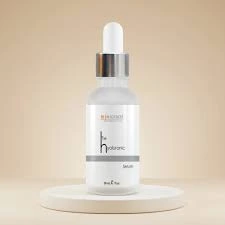
Healthy, well-hydrated skin starts with choosing ingredients that match your skin’s needs. Many moisturizers and serums promise lasting hydration, but not every formula works in the same way. Some ingredients attract water, others strengthen the skin barrier, while some help prevent moisture loss. Understanding these differences can help you build a more effective skincare routine instead of relying on marketing claims. If you’ve ever wondered about Skin Sciences Hyaluronic Acid vs. Other Hydrating Ingredients: Which Is Better?, the answer depends on your skin type, environment, and overall skincare goals. At Skin Sciences, we believe informed decisions lead to healthier, more resilient skin.
Why Skin Hydration Matters
Hydration is essential for maintaining a smooth, comfortable, and healthy complexion. When skin lacks water, it can appear dull, feel tight, and become more vulnerable to irritation.
A well-hydrated skin barrier helps:
- Maintain softness and elasticity
- Reduce the appearance of dehydration lines
- Improve skin comfort
- Support natural barrier function
- Protect against environmental stressors
Proper hydration isn’t only about drinking water. Using skincare products with effective moisturizing ingredients plays a significant role in preserving moisture balance.
Understanding Different Types of Hydrating Ingredients
Not every moisturizing ingredient performs the same function. Most belong to one of three categories.
Humectants
Humectants attract water into the outer layers of the skin, helping improve moisture levels.
Examples include:
- Hyaluronic Acid
- Sodium Hyaluronate
- Glycerin
- Panthenol
- Urea
- Aloe Vera
These ingredients are especially helpful for dehydrated skin.
Emollients
Emollients smooth rough skin by filling microscopic gaps between skin cells.
Common examples include:
- Squalane
- Jojoba Oil
- Shea Butter
- Fatty acids
They improve skin softness while reducing roughness.
Occlusives
Occlusives create a protective layer that minimizes Transepidermal Water Loss (TEWL).
Examples include:
- Petrolatum
- Beeswax
- Dimethicone
These ingredients are especially useful for very dry or compromised skin barriers.
What Makes Hyaluronic Acid So Popular?
One reason this ingredient has gained worldwide recognition is its remarkable ability to bind water.
It naturally exists within the skin and contributes to maintaining hydration and elasticity.
Benefits include:
- Lightweight hydration
- Improved skin plumpness
- Softer skin texture
- Better moisture retention
- Suitable for most skin types
- Compatible with many skincare ingredients
Many modern hydrating serums use multiple molecular weights to deliver hydration at different skin levels.
Sodium Hyaluronate: A Close Relative
Many consumers assume Hyaluronic Acid and Sodium Hyaluronate are identical.
While closely related, Sodium Hyaluronate has a smaller molecular size, allowing it to penetrate the skin surface more effectively in many formulations.
Both ingredients support hydration, and many skincare products combine them for enhanced performance.
How Glycerin Compares
Glycerin remains one of the most trusted skincare ingredients despite receiving less attention than newer trends.
Advantages of Glycerin
- Excellent water-binding ability
- Affordable and highly effective
- Suitable for sensitive skin
- Supports long-lasting hydration
- Works well in humid and dry climates
Dermatologists continue recommending glycerin because extensive research supports its effectiveness.
Rather than choosing between glycerin and other humectants, many quality moisturizers combine both.
Ceramides: Supporting the Skin Barrier
Hydration alone isn’t enough if your skin cannot retain moisture.
This is where Ceramides become essential.
Ceramides are naturally occurring lipids that strengthen the skin barrier, helping reduce water loss and improve resilience.
Benefits include:
- Improved barrier repair
- Reduced dryness
- Better moisture retention
- Increased skin comfort
- Protection against external irritants
People with eczema-prone or very dry skin often benefit from products containing ceramides.
Squalane for Softness and Comfort
Squalane functions primarily as an emollient rather than a humectant.
Instead of attracting water, it smooths the skin surface while reducing roughness.
Advantages include:
- Lightweight feel
- Fast absorption
- Non-comedogenic properties
- Suitable for oily and combination skin
- Improved skin softness
Many facial moisturizers combine squalane with humectants for balanced hydration.
Panthenol and Aloe Vera for Sensitive Skin
People with easily irritated skin often benefit from calming ingredients.
Panthenol (Provitamin B5)
Panthenol supports hydration while helping soothe dryness and discomfort.
Aloe Vera
Aloe Vera provides lightweight hydration and contributes to a refreshing skin feel after cleansing or sun exposure.
These ingredients work particularly well in gentle skincare routines.
Polyglutamic Acid and Beta-Glucan
Modern skincare continues introducing new moisturizing ingredients.
Polyglutamic Acid
Known for its impressive water-retention properties, Polyglutamic Acid forms a lightweight film that helps reduce moisture evaporation.
Beta-Glucan
Beta-Glucan provides hydration while helping calm sensitive skin.
Many skincare professionals view these ingredients as excellent complements rather than replacements for traditional humectants.
Which Ingredient Is Best for Different Skin Types?
Dry Skin
Look for combinations of:
- Ceramides
- Shea Butter
- Glycerin
- Hyaluronic Acid
- Squalane
These ingredients work together to replenish moisture while strengthening the skin barrier.
Oily Skin
Choose lightweight formulations containing:
- Sodium Hyaluronate
- Glycerin
- Panthenol
- Niacinamide
Avoid unnecessarily heavy products if your skin produces excess oil.
Sensitive Skin
Gentle formulations featuring:
- Aloe Vera
- Beta-Glucan
- Ceramides
- Panthenol
can help minimize irritation while maintaining hydration.
Combination Skin
Balanced moisturizers combining humectants and lightweight emollients often provide the best results.
Can Hydrating Ingredients Be Used Together?
Absolutely.
Modern skincare products rarely rely on one ingredient alone.
Many dermatologist-developed formulations combine:
- Hyaluronic Acid
- Glycerin
- Ceramides
- Squalane
- Niacinamide
- Vitamin E
- Panthenol
Each ingredient performs a different role, creating more comprehensive hydration than a single ingredient could achieve.
This layered approach supports healthier-looking skin throughout the day.
Common Hydration Mistakes
Many people unknowingly reduce the effectiveness of their skincare routine.
Avoid these common mistakes:
- Applying moisturizer to completely dry skin
- Skipping moisturizer because your skin feels oily
- Using products unsuitable for your skin type
- Ignoring seasonal weather changes
- Over-exfoliating
- Using too many active ingredients simultaneously
- Forgetting sunscreen during the day
Consistency usually delivers better results than frequently changing products.
How Skin Sciences Supports Everyday Hydration
At Skin Sciences, we understand that healthy skin requires more than temporary moisture. Effective hydration comes from combining science-backed ingredients with balanced formulations that support the skin barrier while maintaining everyday comfort.
Our skincare philosophy emphasizes gentle hydration, barrier protection, and ingredient compatibility suitable for various skin types commonly found in Pakistan. Whether your skin is dry, oily, combination, or sensitive, selecting products formulated with complementary moisturizing ingredients can help improve overall skin health without overwhelming your routine.
Last Words
Choosing effective moisturizing ingredients isn’t about finding one miracle solution. Healthy hydration comes from understanding how different ingredients work together to support the skin. Humectants attract water, emollients smooth and soften, while barrier-supporting ingredients help lock moisture in for longer-lasting comfort.
At Skin Sciences, we encourage building skincare routines based on ingredient knowledge rather than trends. Selecting well-formulated products that combine complementary hydrators, strengthening lipids, soothing agents, and antioxidant support can help maintain balanced, comfortable, and healthy-looking skin throughout every season. With consistency and the right formulations, lasting hydration becomes an achievable part of your daily skincare routine rather than a temporary fix.
Frequently Asked Questions
Can I use multiple hydrating ingredients together?
Yes. Combining humectants, emollients, and barrier-supporting ingredients often provides better hydration than relying on one ingredient alone.
Is oily skin still dehydrated?
Yes. Excess oil production and dehydration are different concerns. Oily skin still benefits from lightweight hydrating products.
Are richer moisturizers always better?
Not necessarily. The ideal formula depends on your skin type, climate, and individual skincare needs.
Should I apply moisturizer after a hydrating serum?
Yes. A moisturizer helps seal in hydration and reduces moisture loss throughout the day.
How long does it take to notice better hydration?
Many people experience softer skin within several days, while improvements in skin texture and barrier function typically become more noticeable with consistent use over several weeks.