Achieving a more defined figure is a common goal for people who want to feel comfortable and confident in their appearance. Although a balanced diet and regular exercise support overall health, certain areas of localized fat may remain difficult to reduce. For individuals who want to improve specific body contours without traditional surgery, non-invasive fat reduction treatments may be worth exploring.
Non-Surgical Fat Removal in Islamabad offers options for people interested in addressing stubborn fat pockets with procedures that generally involve less downtime than surgical fat removal. Different technologies work in different ways, so understanding their benefits, limitations, and potential risks is essential before selecting a treatment.
What Is Non-Invasive Body Contouring?
Non-invasive body contouring refers to treatments designed to improve the appearance of selected body areas without traditional surgical incisions. Depending on the technology, these procedures may use controlled cooling, radiofrequency energy, ultrasound, or other methods to target localized fat or improve skin appearance.
These treatments are primarily intended for body shaping rather than major weight loss. They may help suitable candidates achieve subtle improvements in areas such as the abdomen, waist, thighs, upper arms, and under the chin.
Not every technology works for every concern. Some treatments target fat cells, while others primarily affect skin firmness or tissue appearance. A professional consultation can help determine which option, if any, is suitable for your goals.
Popular Non-Invasive Options for Body Contouring
Several technologies are used for non-surgical body contouring. Their effectiveness and safety depend on the device, treatment area, practitioner expertise, and individual characteristics.
1. Cryolipolysis
Cryolipolysis, often called fat freezing, uses controlled cooling to affect fat cells in selected areas. The body gradually processes the affected cells over time, so visible changes may take several weeks or months.
It may be considered for localized fat pockets in areas such as the abdomen or flanks. However, it is not a weight-loss procedure, and it carries specific risks, including a rare complication called paradoxical adipose hyperplasia, in which the treated area becomes larger instead of smaller.
2. Radiofrequency Treatments
Radiofrequency technology delivers energy into tissue to produce controlled heating. Depending on the device, it may be used to address skin laxity, improve skin texture, or support certain body-contouring goals.
Radiofrequency treatments should not automatically be considered equivalent to fat removal. The expected outcome depends on the specific technology and its approved or intended use.
3. Ultrasound-Based Treatments
Certain ultrasound technologies deliver energy into targeted tissue. Some are designed for localized fat reduction, while others are used for different aesthetic purposes.
The provider should explain which type of ultrasound device is being used, what it is intended to achieve, and what evidence supports its use for your particular concern.
4. Other Non-Surgical Approaches
Some treatments marketed for body contouring use electromagnetic energy to stimulate muscle contractions, while others combine technologies. These may focus more on muscle definition than fat reduction.
When considering Non-Surgical Fat Removal in Islamabad, ask whether the proposed treatment actually reduces localized fat, improves skin firmness, or enhances muscle appearance. Understanding this distinction helps establish realistic expectations.
Areas That May Benefit From Body Contouring
The appropriate treatment area depends on the technology and an individual’s anatomy.
-
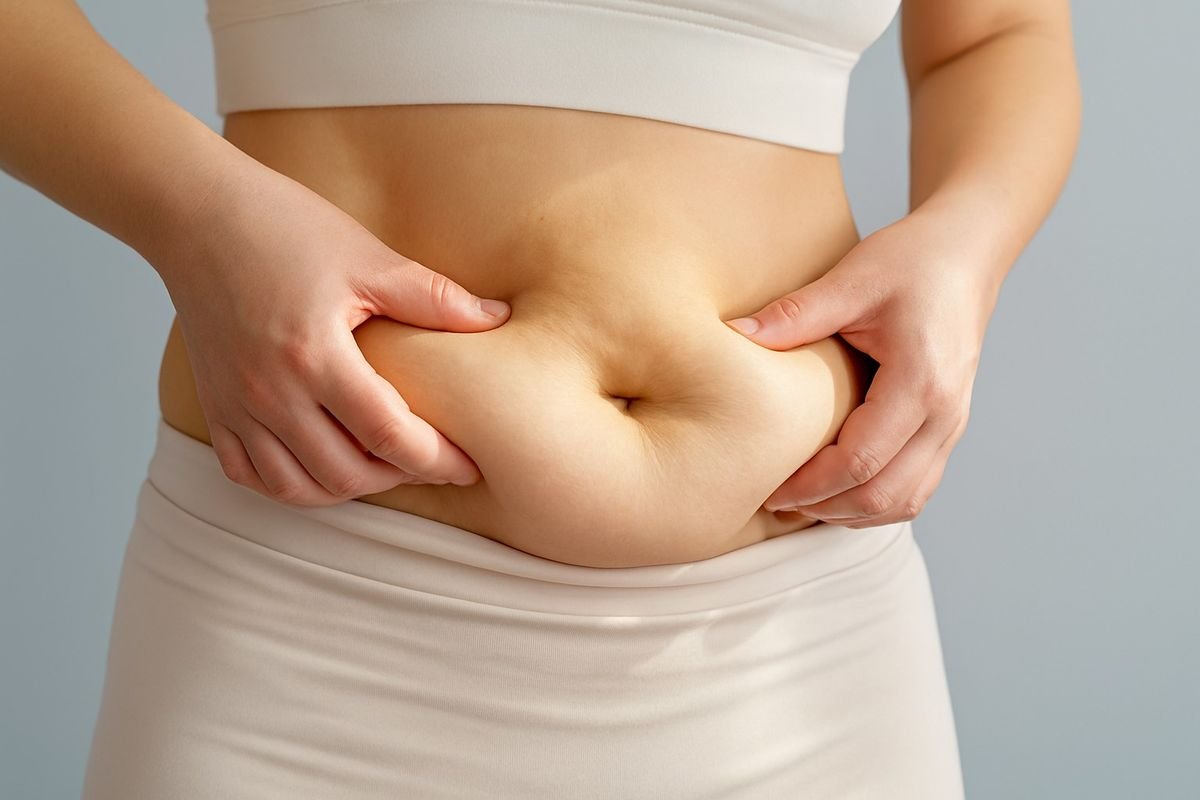
Abdomen: May be considered for localized fat around the stomach.
-
Waist and flanks: Treatment may help refine the appearance of side bulges.
-
Thighs: Selected procedures may address specific areas of localized fat.
-
Upper arms: Some treatments may help improve contour, depending on fat distribution and skin elasticity.
-
Under the chin: Certain techniques are designed to address submental fat.
A defined figure looks different for everyone. The goal should be a natural-looking improvement that suits your body rather than achieving an unrealistic shape.
Benefits of Non-Invasive Fat Reduction
For suitable candidates, non-invasive treatments may offer several advantages compared with traditional surgical procedures.
No Traditional Surgical Incisions
Many non-invasive options do not require incisions or surgical removal of fat. This may appeal to people who prefer a non-surgical approach.
Potentially Shorter Downtime
Some treatments allow people to return to their usual routines soon afterward. However, temporary redness, swelling, tenderness, bruising, or numbness can occur, and recovery varies by procedure.
Targeted Treatment
These procedures are designed to address specific areas rather than reduce body fat everywhere. A provider can assess whether a localized concern is appropriate for treatment.
Gradual, Subtle Changes
Some treatments produce gradual changes rather than an immediate transformation. This may suit people seeking modest contour improvements, provided they understand that results are not guaranteed.
Who Is a Suitable Candidate?
Non-invasive fat reduction may suit adults who are close to a stable, healthy weight and have localized fat pockets that have not responded as desired to lifestyle changes.
It is generally not intended to treat obesity or replace healthy eating, exercise, or medically supervised weight management. People with significant skin laxity may also need a different approach because reducing fat does not necessarily tighten loose skin.
Your medical history, medications, skin condition, and treatment goals should be reviewed before proceeding. Some devices are unsuitable for people with particular medical conditions or implanted devices. Pregnancy and breastfeeding should also be discussed with a qualified healthcare professional.
How to Prepare for Treatment
Preparation begins with a consultation. Explain which areas concern you, your medical history, previous procedures, and the results you hope to achieve.
Before treatment, ask your provider:
-
What technology will be used, and how does it work?
-
What results are realistic for my body?
-
How many sessions might be recommended?
-
What side effects and complications are possible?
-
What is the total cost, including follow-up appointments?
-
What qualifications and experience does the practitioner have?
A trustworthy provider should explain limitations and alternatives without promising guaranteed results.
Maintaining Your Results
The longevity of body-contouring results depends on the treatment and individual factors. Some procedures reduce a portion of fat cells in the treated area, but remaining fat cells can still enlarge if body weight increases.
To support your general health and maintain a stable body composition, follow a balanced eating pattern, stay physically active, get adequate sleep, and maintain a sustainable weight. Attend follow-up appointments as recommended and seek medical advice if you experience unusual or persistent symptoms.
Conclusion
Non-invasive body contouring may provide a useful option for people who want to refine stubborn fat pockets without traditional surgery. Treatments such as cryolipolysis, selected ultrasound procedures, and radiofrequency-based approaches have different purposes, benefits, and risks, making professional assessment important.
If you are exploring Non-Surgical Fat Removal in Islamabad, choose a qualified provider who explains the treatment method, expected outcomes, costs, and potential complications. A personalized plan and realistic expectations can help you make a more informed decision about achieving a defined figure.
Frequently Asked Questions
1. What can Non-Surgical Fat Removal in Islamabad help achieve?
It may help suitable candidates reduce selected pockets of localized fat or improve body contours. It is not designed for significant weight loss, and results vary by treatment and individual.
2. Which treatments are available for Non-Surgical Fat Removal in Islamabad?
Options may include cryolipolysis, certain ultrasound-based procedures, and other technologies, depending on local availability and clinical suitability. Each method works differently and has its own risks.
3. How long do results from Non-Surgical Fat Removal in Islamabad take to appear?
Some treatments produce gradual changes over several weeks or months. The timeline depends on the technology, treatment area, and individual response. Your provider can explain what to expect.
4. How can I choose a provider for Non-Surgical Fat Removal in Islamabad?
Choose a qualified healthcare professional who assesses your medical history, explains the technology and its risks, provides realistic expectations, and discusses alternatives and aftercare. Avoid providers who guarantee specific results.
For more information visit
Enfield royal clinic in islamabad