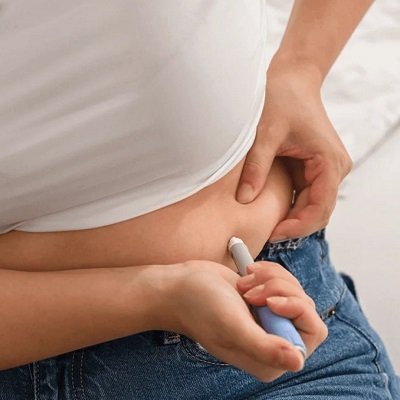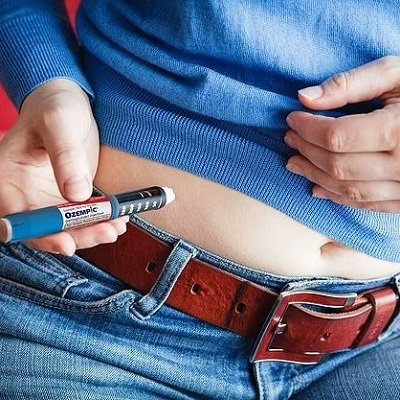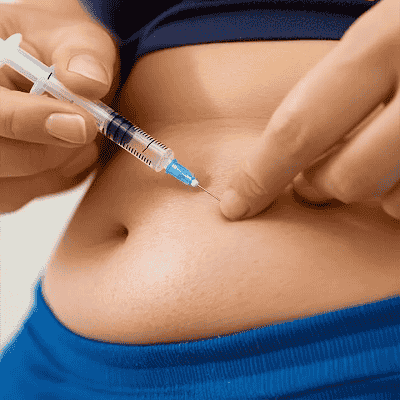
For people dealing with small areas of stubborn fat, injectable body-contouring treatments can offer an alternative to more invasive procedures. Fat Melting Injections in Oman are often explored by individuals who want to improve the appearance of localized fat deposits while avoiding surgical fat-removal procedures. However, the treatment experience is not identical for everyone.
Several factors can influence how a person experiences the procedure, including the treatment area, the amount of fat being addressed, skin condition, the type of injectable used, injection technique, individual sensitivity, and aftercare. Understanding these factors can help patients approach treatment with realistic expectations and make informed decisions during a consultation.
Despite the popular term “fat melting injections,” these treatments do not literally melt fat like heat melts an object. Depending on the injectable product, the active ingredient may work by disrupting fat cells so that the body can gradually process and remove their contents. The exact mechanism, approved uses, and expected results depend on the product being used.
A professional assessment is therefore an important first step. It allows the provider to determine whether injectable fat reduction is appropriate and whether the patient’s concerns are actually related to localized fat.
What Are Fat Melting Injections Designed to Do?
Fat-reducing injections are generally intended to improve localized areas of excess fat rather than provide overall weight loss. One established injectable approach uses deoxycholic acid, which can disrupt the membranes of fat cells when appropriately injected into targeted fatty tissue.
Once the targeted cells are damaged, the body gradually processes them. Because this is a biological process, changes are not necessarily visible immediately after treatment.
This distinction is important for anyone researching Fat Melting Injections in Oman. A person seeking significant weight reduction should not expect injectable body contouring to replace a structured weight-management plan. These treatments are generally more appropriate for people who are already relatively stable in weight but have specific areas that remain resistant to lifestyle efforts.
The treatment may be considered for selected areas depending on the product, local authorization, clinical evidence, and the provider’s assessment. Not every injectable product is appropriate for every body area.
The Treatment Area Can Change the Experience
The location being treated can have a major effect on comfort, swelling, recovery, and the overall experience.
Different areas contain different amounts of fatty tissue and have different anatomical structures beneath the skin. Some regions may be more sensitive, while others may experience more noticeable swelling after injections.
The provider must also consider important structures surrounding the treatment area. Nerves, blood vessels, muscles, glands, and other tissues can be located close to areas where fat reduction is being considered. Proper anatomical knowledge and appropriate injection technique are therefore essential.
For example, the area beneath the chin has a relatively limited amount of space between the skin and underlying structures. Treatment in such a location requires careful assessment and accurate placement of injections.
Body areas with larger or thicker fat deposits may require a different treatment strategy, but a larger amount of fat does not automatically mean that injectable treatment is the best choice. The provider may determine that another form of body contouring would be more appropriate.
The Amount and Distribution of Fat Matter
The size and distribution of the fat pocket can influence both treatment planning and expectations.
A small, clearly defined area may be suitable for targeted treatment. In contrast, a larger or more diffuse area may be harder to address with injections alone. The provider may evaluate whether reducing the fat could produce a balanced improvement or whether the treatment could create an uneven appearance.
Fat distribution is also important. Some individuals have relatively symmetrical fat deposits, while others have noticeable differences between the two sides of the body. Treatment planning may need to account for these natural differences rather than assuming that exactly the same amount of product should be used on each side.
The thickness of the fatty layer may also affect the approach. A qualified provider can examine the area and determine whether there is enough suitable fatty tissue for the selected treatment.
This is one reason standardized treatment plans are not ideal for every patient. Personalized assessment can help make the procedure more controlled and predictable.
Skin Quality and Elasticity Influence Results
Fat reduction and skin tightening are not the same thing.
When localized fat is reduced, the skin must adapt to the new contour. People with good skin elasticity may experience a smoother transition after fat reduction. Those with significant skin laxity may see less improvement, even if the underlying fat is successfully reduced.
This distinction is particularly important for patients who believe that a bulge is entirely caused by excess fat. In some cases, loose skin may contribute significantly to the appearance.
A provider may therefore assess skin firmness, elasticity, and the amount of laxity before recommending treatment. If loose skin is the primary concern, reducing fat may not provide the expected result and could potentially make laxity more apparent.
A realistic consultation should address both the fat and the skin rather than focusing on fat reduction alone.
Individual Sensitivity and Comfort During Treatment
People have different levels of sensitivity to injections. One person may describe the procedure as mildly uncomfortable, while another may experience more noticeable stinging, pressure, burning, or tenderness.
The treatment area can also affect comfort. Some areas contain more sensitive tissues or may be more difficult to tolerate during multiple injections.
After treatment, temporary effects can include swelling, redness, bruising, tenderness, firmness, itching, or altered sensation. These reactions can vary considerably between individuals.
The provider should explain expected post-treatment effects before the procedure. Patients can then plan appropriately, particularly if the treated area is visible or if swelling could interfere with work or social activities.
Following aftercare instructions may also make the recovery period more manageable. Patients should avoid assuming that a treatment that was comfortable for someone else will feel exactly the same for them.
The Injectable Product and Technique Matter
Not all fat-reduction injections are identical. Products can contain different active ingredients, have different evidence behind them, and be intended for different treatment areas.
Patients considering Fat Melting Injections in Oman should ask which product is being proposed and what it is specifically intended to treat. It is also useful to understand whether the product is appropriately authorized for the proposed use in the relevant market.
The provider’s technique is another important factor. Injection depth, placement, spacing, dose, and treatment pattern all require clinical judgment. The procedure should not be approached as simply injecting a fixed amount into an area.
Accurate placement is especially important because the goal is to affect the intended fatty tissue while minimizing exposure of nearby structures.
For this reason, patients should prioritize appropriate medical qualifications, relevant experience, proper product handling, and a regulated treatment environment rather than choosing a provider solely on convenience or promotional claims.
Why Results Develop Gradually
One of the most important aspects of the treatment experience is the timing of results.
Fat-reducing injections generally do not create an instant transformation. Following treatment, swelling may temporarily make the treated area look larger rather than smaller. As the early inflammatory response settles and the body processes the affected fat cells, the appearance can gradually change.
The time required can differ from person to person. The treatment area, amount of fat, individual biological response, and number of treatment sessions can all play a role.
Some patients may require more than one session to achieve their desired level of improvement. Treatment sessions are often separated by a period of time so that the provider can assess the response before deciding whether additional treatment is appropriate.
This gradual process is why before-and-after comparisons should be interpreted carefully. Images taken at different stages of swelling or recovery may not provide a complete picture of the eventual outcome.
Patients should focus on realistic improvement rather than expecting the same result shown in another person’s photographs.
Aftercare Can Affect the Overall Experience
The period after treatment is an important part of the process. Although specific instructions vary depending on the product and treatment area, patients are generally given guidance about caring for the treated skin and managing temporary discomfort or swelling.
Following those instructions can help support a smoother recovery. Patients should also tell the provider about medications, allergies, previous reactions to injections, and relevant health conditions before treatment.
Some people may need to plan treatment around important events because swelling or bruising can remain visible for a while. Scheduling the procedure immediately before a wedding, presentation, holiday, or other major event may not be ideal if the treatment area is prone to noticeable swelling.
Patients should also understand that maintaining a stable weight can help preserve overall body contours. Although appropriately treated fat cells may be permanently destroyed, remaining fat cells can still increase in size with significant weight gain.
Who May Not Be a Suitable Candidate?
Injectable fat reduction is not appropriate for everyone.
A provider may advise against treatment if a person has an active skin infection in the proposed treatment area, certain medical conditions, a relevant allergy or sensitivity to the product, substantial skin laxity, or expectations that cannot realistically be achieved through localized fat reduction.
Pregnancy and breastfeeding may also require postponement depending on the product and medical circumstances. Anyone taking prescription medications or managing a significant health condition should disclose this during the consultation.
Another important consideration is the nature of the concern. If a person has generalized excess weight rather than a small localized fat pocket, injectable contouring may not be the most appropriate first-line option.
A qualified assessment helps distinguish between situations where fat-reduction injections may be useful and situations where another treatment or medical approach would be more suitable.
What Patients Should Ask Before Treatment
A consultation is an opportunity to understand the procedure rather than simply receive a recommendation. Patients considering Fat Melting Injections in Oman can ask several practical questions before deciding.
They may want to know what active ingredient is being used, which areas it is intended to treat, how many sessions may be needed, what side effects are expected, how long swelling might last, and what kind of improvement is realistic.
It is also reasonable to ask about the provider’s qualifications and experience with the specific treatment.
Patients should be cautious about promises of guaranteed results, instant fat loss, or permanent perfection. Individual responses vary, and responsible medical care should include a discussion of limitations as well as potential benefits.
Most importantly, injectable fat reduction should be viewed as a targeted contouring treatment, not a shortcut to overall weight loss.
Frequently Asked Questions
1. What affects the experience of fat melting injections?
The experience can be influenced by the treatment area, amount and distribution of fat, skin elasticity, individual pain sensitivity, injectable product, injection technique, and aftercare. These factors can affect comfort, swelling, recovery, and visible results.
2. Do fat melting injections provide immediate results?
Usually, results develop gradually. Temporary swelling may occur after treatment and can initially make the area appear fuller. The body needs time to process the treated fat cells, so visible changes may become clearer as recovery progresses.
3. Can fat melting injections be used for weight loss?
They are generally intended for localized fat reduction rather than overall weight loss. People with significant excess weight may benefit from discussing a broader, medically appropriate weight-management strategy instead.
4. Are fat melting injections suitable for everyone?
No. Suitability depends on factors such as the treatment area, skin condition, medical history, medications, allergies, and expectations. A qualified healthcare professional should assess the individual before treatment.
5. What side effects can occur after fat-reducing injections?
Common temporary effects can include swelling, bruising, redness, tenderness, firmness, itching, and numbness or altered sensation. More concerning or severe symptoms should be discussed with a healthcare professional promptly.
6. How should someone prepare for fat melting injections in Oman?
Preparation begins with a professional consultation. The patient should provide accurate information about medical conditions, medications, allergies, previous cosmetic treatments, and treatment goals. The provider can then explain whether the procedure is appropriate and provide individualized preparation and aftercare instructions.
Read More About Fat Melting Injections: https://app.getbeamer.com/product5395/en/fat-melting-injections-how-to-think-about-your-treatment-goals