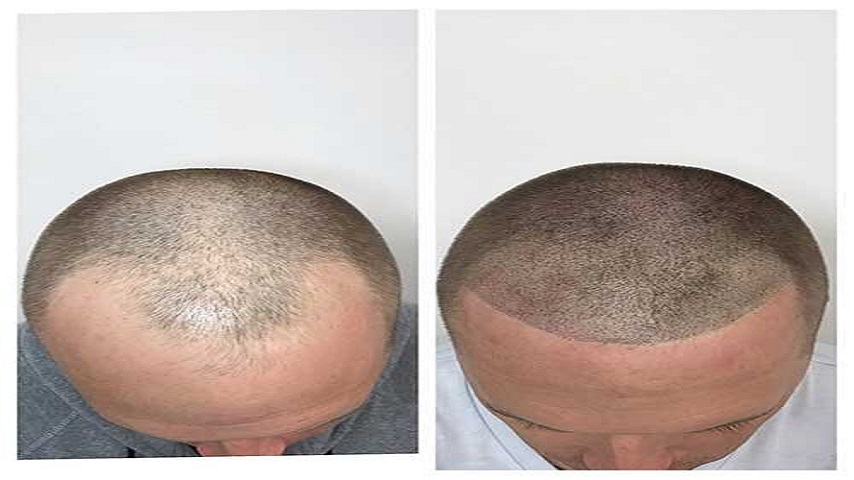
Hair fall is no longer a concern limited to middle age. Today, teenagers and young adults are increasingly experiencing noticeable hair thinning, receding hairlines, and excessive shedding. Losing hair at an early age can be emotionally distressing and may also signal underlying health or lifestyle issues. Ignoring the problem often allows it to progress, making treatment more difficult later.
Understanding the causes, risks, and importance of early intervention can help preserve both hair health and confidence.
Why Early-Age Hair Fall Is Becoming Common
Modern lifestyles have dramatically changed over the past decade. Increased screen time, academic pressure, poor sleep habits, processed foods, pollution, and frequent chemical styling have all contributed to declining scalp health among younger populations.
Unlike natural age-related hair thinning, early hair loss often develops rapidly and may become permanent if the root cause is not addressed.
Major Causes of Hair Fall in Young People
1. Genetic Predisposition
One of the most common reasons is hereditary hair loss, also known as androgenetic alopecia. If parents or grandparents experienced early balding, the likelihood increases significantly. In males, this often appears as a receding hairline or thinning crown, while females may notice widening of the part line.
2. Nutritional Deficiencies
Fast food diets and irregular eating patterns deprive the body of essential nutrients needed for hair growth. Low levels of iron, protein, vitamin D, B12, zinc, and biotin weaken hair follicles and slow regrowth.
Young individuals who skip meals, follow restrictive diets, or rely heavily on processed foods are particularly vulnerable.
3. Stress and Lifestyle Factors
Academic pressure, career anxiety, social media influence, and sleep deprivation can elevate stress hormones. Chronic stress disrupts the hair growth cycle, pushing follicles into the shedding phase prematurely.
Lack of physical activity and poor work-life balance further worsen the situation.
4. Hormonal Imbalances
Hormonal fluctuations can trigger hair thinning in both men and women. Conditions such as thyroid disorders, polycystic ovary syndrome (PCOS), and excessive androgen levels affect follicle function and scalp oil production.
In females, irregular menstrual cycles may accompany hair loss linked to hormonal issues.
5. Excessive Chemical Treatments and Heat Styling
Frequent use of hair colors, straightening treatments, bleaching, and heat tools damages the hair shaft and scalp barrier. Over time, follicles weaken, leading to breakage and reduced density.
Tight hairstyles that pull on the roots can also cause traction alopecia, a form of hair loss that may become permanent.
6. Scalp Conditions and Pollution
Dandruff, fungal infections, oily buildup, and environmental pollutants clog hair follicles and create inflammation. An unhealthy scalp environment prevents normal hair growth and increases shedding.
Risks of Ignoring Early Hair Loss
Many young people assume hair fall is temporary or purely cosmetic, delaying professional evaluation. However, untreated hair loss can progress to more severe thinning or permanent follicle damage.
Potential risks include:
- Gradual development of visible bald patches
- Permanent miniaturization of hair follicles
- Reduced hair regrowth potential
- Lower self-esteem and social confidence
- Underlying medical conditions remaining undiagnosed
Early detection often allows for simpler, non-invasive treatments with better outcomes.
Psychological Impact on Young Individuals
Hair plays a major role in personal identity and appearance. Early hair loss can lead to anxiety, embarrassment, and reduced self-confidence, particularly in social or professional settings. Some individuals may avoid events, photos, or interactions due to insecurity about their appearance.
Addressing hair concerns promptly can prevent long-term emotional distress.
Why Early Intervention Matters
Hair follicles do not disappear immediately — they gradually shrink and produce thinner strands over time. This means there is a window of opportunity to restore hair health before damage becomes irreversible.
Professional evaluation can identify the exact cause and recommend targeted solutions such as nutritional correction, medical treatments, scalp therapies, or lifestyle changes.
Practical Steps to Protect Hair at a Young Age
Preventive care is often more effective than treatment after significant loss has occurred. Key habits include:
- Eating a balanced diet rich in protein, iron, and vitamins
- Staying well hydrated
- Managing stress through exercise or relaxation techniques
- Getting adequate sleep
- Avoiding harsh chemical treatments
- Maintaining scalp hygiene
- Seeking medical advice if hair fall persists
Regular scalp care and gentle handling of hair also reduce breakage and root damage.
Final Thoughts
Hair fall in early age is not just a cosmetic inconvenience — it is often a warning sign that the body or lifestyle needs attention. Whether caused by genetics, nutrition, stress, or medical conditions, ignoring the issue can lead to permanent changes that are harder to reverse.
Taking action early offers the best chance to restore healthy growth, preserve natural density, and maintain confidence. Healthy hair begins with a healthy body and balanced lifestyle, making self-care an essential investment rather than an optional luxury.
Looking for the top Trichology Doctor in India to solve your hair and scalp concerns with expert care? Don’t wait—early treatment leads to better, faster results.