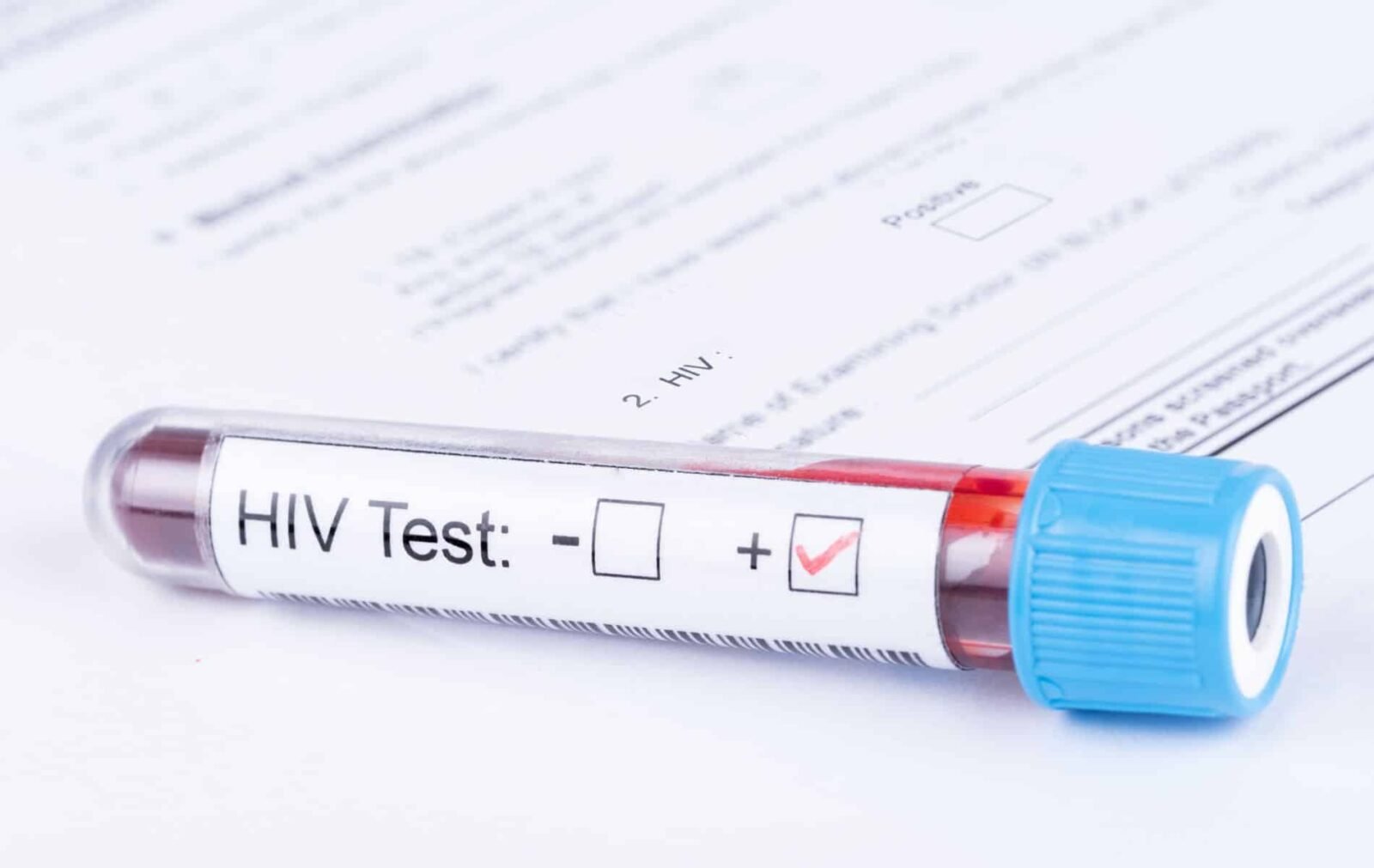
HIV testing has evolved significantly over the past few decades, transforming from slow, limited screening techniques into highly accurate, fast, and widely accessible diagnostic systems. Today, an HIV blood test is not just a medical procedure used after suspected exposure; it is a cornerstone of preventive healthcare, routine screening, and early disease detection.
Modern HIV detection methods are designed to identify infection at different stages of development, often long before symptoms appear. This shift toward early identification has played a major role in improving treatment outcomes, reducing transmission rates, and supporting global public health strategies.
Understanding how these modern HIV Blood Test in Dubai technologies work helps individuals make informed decisions about screening, interpret results correctly, and appreciate the importance of timely diagnosis.
The Biological Foundation of HIV Detection:
Human Immunodeficiency Virus (HIV) affects the immune system by targeting CD4 cells, which are essential for defending the body against infections. Once the virus enters the bloodstream, it begins replicating and triggering a series of biological responses.
Modern HIV blood tests are designed to detect these responses rather than relying solely on visible symptoms. Depending on the stage of infection, the body produces different markers, including:
HIV Antibodies:
These are immune proteins created by the body to fight HIV infection. They are commonly used as indicators of long-term infection.
HIV Antigens:
These are viral proteins such as p24 antigen, which appear earlier than antibodies and allow earlier detection of infection.
HIV RNA:
This refers to the genetic material of the virus itself, which can be detected very early using molecular testing methods.
Each of these biological markers plays a key role in modern HIV diagnosis and determines which testing method is most appropriate.
Why Modern HIV Detection Methods Are More Accurate Than Ever?
One of the biggest advancements in HIV screening is the dramatic improvement in accuracy. Modern laboratory-based HIV tests often exceed 99 percent accuracy when performed at the correct time.
This reliability is achieved through:
-
Advanced immunoassay technology
-
Molecular diagnostic systems
-
Multi-marker detection strategies
-
Automated laboratory analysis
-
Strict quality control procedures
Unlike older methods that relied on a single marker, modern HIV testing combines multiple detection strategies, significantly reducing the chance of missed infections or incorrect results.
The Evolution of HIV Blood Testing Technology:
Understanding modern HIV detection requires a brief look at how far the technology has progressed.
Earlier HIV tests focused mainly on antibody detection, which required the immune system to fully respond before infection could be identified. This created delays in diagnosis due to the window period.
Today, testing has advanced into multi-stage detection systems capable of identifying infection much earlier and more accurately.
Modern HIV diagnostic evolution includes:
-
First-generation antibody-only tests
-
Second- and third-generation improved antibody assays
-
Fourth-generation antigen-antibody combination tests
-
Nucleic acid amplification tests (NAAT or NAT)
Each generation has improved sensitivity, speed, and diagnostic reliability.
Fourth-Generation HIV Tests: The Current Standard
One of the most widely used modern HIV detection methods is the fourth-generation antigen-antibody test.
This test detects both HIV antibodies and the p24 antigen simultaneously, making it highly effective for early and established infection.
Key advantages include:
-
Earlier detection compared to antibody-only tests
-
High sensitivity during acute infection
-
Reliable screening for routine HIV testing
-
Reduced diagnostic uncertainty
Because of these benefits, fourth-generation HIV tests are often considered the standard for initial HIV screening in many healthcare systems.
Nucleic Acid Testing: Direct Detection of HIV
Nucleic acid testing (NAT), also known as RNA testing, represents one of the most advanced HIV detection methods available.
Instead of detecting immune responses, NAT identifies the genetic material of HIV directly in the bloodstream.
This method is particularly useful for:
-
Detecting very early infection
-
Confirming ambiguous screening results
-
Evaluating recent high-risk exposure
-
Supporting clinical diagnosis in complex cases
Although highly accurate, NAT is typically more expensive and therefore used in specific clinical situations rather than routine screening.
Antibody Testing in Modern Clinical Practice:
Despite newer technologies, antibody-based HIV tests remain widely used due to their reliability and cost-effectiveness.
These tests detect the immune system’s response to HIV infection and are particularly effective once sufficient time has passed after exposure.
Modern antibody tests are significantly more sensitive than earlier versions and are often used in combination with other detection methods for improved accuracy.
The Importance of the HIV Window Period in Modern Testing:
Even with advanced technology, timing remains a critical factor in HIV detection.
The window period refers to the time between initial HIV infection and when a test can reliably detect it.
During this phase:
-
HIV may be present in the body
-
Antibodies may not yet be detectable
-
Antigens or viral RNA may appear at different stages
Different tests have different window periods:
-
NAT detects the earliest infection stage
-
Fourth-generation tests detect earlier than antibody-only tests
-
Antibody tests require a longer timeframe for reliable detection
Healthcare providers use this information to select the most appropriate test and determine whether follow-up testing is necessary.
How Modern HIV Blood Tests Are Performed?
Despite their advanced technology, HIV blood tests are simple and minimally invasive for patients.
The procedure typically includes:
-
A small blood sample drawn from a vein or finger prick
-
Sample labeling and secure transport to a laboratory
-
Automated analysis using diagnostic equipment
-
Interpretation by trained medical professionals
Most individuals experience only brief discomfort during sample collection, and the process takes only a few minutes.
Results are then reviewed based on laboratory findings and clinical context.
Interpreting Results From Modern HIV Tests:
Understanding test results is essential for proper healthcare decisions.
Negative Result:
A negative result indicates no detectable HIV markers at the time of testing. If testing occurred during the window period, repeat testing may be recommended.
Positive Result:
A reactive result suggests the presence of HIV-related markers. However, confirmatory testing is always required before diagnosis is finalized.
Indeterminate Result:
Some results may be unclear due to borderline values or early infection stages. Additional testing helps clarify the outcome.
Modern diagnostic systems prioritize accuracy by using multi-step verification processes before confirming infection.
Confirmatory Testing: Ensuring Diagnostic Accuracy
One of the strongest aspects of modern HIV detection is confirmatory testing.
No single test result is considered final without verification. If a screening test is reactive, a second or third method is used to confirm the result.
This may include:
-
Western blot alternatives or immunoassays
-
Nucleic acid testing for confirmation
-
Repeat sample testing
This layered approach significantly reduces false positives and ensures diagnostic confidence.
Why Early HIV Detection Is Critical?
Modern HIV detection methods are most effective when infection is identified early.
Early diagnosis allows:
-
Immediate access to antiretroviral therapy
-
Better immune system preservation
-
Lower viral load levels
-
Reduced transmission risk
-
Improved long-term health outcomes
With early treatment, many individuals can achieve undetectable viral loads, significantly improving both personal health and public health outcomes.
The Role of Modern HIV Testing in Prevention:
HIV detection methods are not only diagnostic tools but also essential components of prevention strategies.
Regular HIV testing helps:
-
Identify infections before symptoms appear
-
Encourage safer health practices
-
Support early medical intervention
-
Reduce community transmission rates
-
Improve awareness of sexual health
When combined with preventive measures such as safer sex practices and routine health checkups, HIV testing becomes a powerful public health tool.
Common Misconceptions About Modern HIV Testing:
Despite technological advancements, several misconceptions still exist:
-
HIV cannot be detected early (modern tests can detect infection within days or weeks depending on method)
-
Only high-risk individuals need testing (routine screening is widely recommended)
-
One test is always enough (follow-up may be needed depending on timing)
-
Symptoms are required for diagnosis (HIV can be asymptomatic for years)
Correcting these misunderstandings helps improve testing rates and supports better health outcomes.
Final Thoughts: The Value of Modern HIV Detection Methods
Modern HIV blood Lab tests represent one of the most significant achievements in infectious disease diagnostics. Through advanced technologies such as antigen-antibody testing and nucleic acid detection, HIV can now be identified earlier and more accurately than ever before.
Understanding how these methods work helps individuals make informed decisions about testing, interpret results correctly, and appreciate the importance of early detection. With continued improvements in HIV screening technology, healthcare systems are better equipped to support prevention, early treatment, and long-term health management.
Ultimately, modern HIV detection methods empower individuals with knowledge, protect communities through early intervention, and continue to transform HIV from a life-threatening condition into a manageable health condition when diagnosed and treated early.