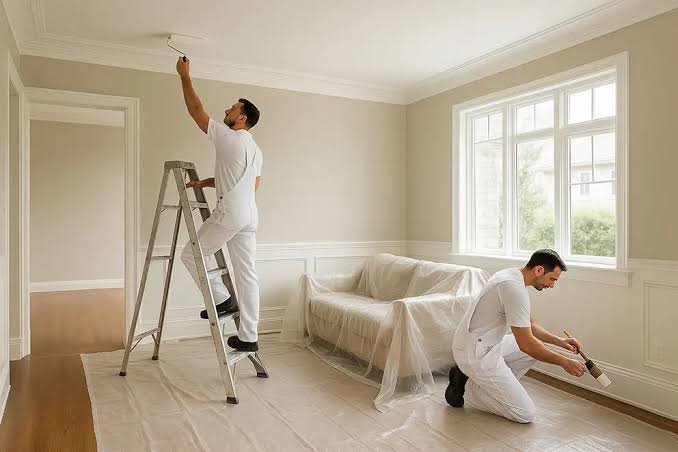
A fresh coat of paint can make a home look cleaner brighter and more inviting. But paint is only as good as the surface underneath it. When walls siding trim or other surfaces are dirty damp cracked or poorly prepared the new paint may not look right even when an expensive product is used. It can peel bubble crack stain or become uneven much sooner than expected.
This is why surface preparation is one of the most important parts of any painting project. It is also one of the steps that homeowners notice the least because most of the preparation happens before the new color appears. A painter may spend hours cleaning repairing sanding and priming a surface before applying the first coat. That work may not be visible after the project is finished but it has a major effect on the final result.
Good preparation creates a clean and stable surface that allows paint to bond properly. It can improve the appearance of the finished walls and help the coating last longer. Whether you are updating a single room or refreshing the outside of your home the preparation stage deserves as much attention as the paint itself.
Why Paint Does Not Always Look Good On An Unprepared Surface
The Surface Tells You What Preparation Is Needed
Not every wall or exterior surface needs the same treatment. A clean wall in good condition may only need light cleaning and minor repairs before painting. A badly peeling exterior may need extensive scraping and sanding. A wall with water damage needs to be evaluated differently from a wall that only has a few nail holes.
The preparation should match the condition of the surface. Applying the same process to every area can waste time in some places and fail to address important problems in others.
Cleaning Is One Of The First Important Steps
Paint has a difficult time bonding to a dirty surface. Dust and debris create a barrier between the coating and the material below it. Grease and oils can be even more troublesome because they can remain on the surface even when the wall looks fairly clean.
Interior areas near kitchens may collect cooking residue. Walls near doors and hallways can build up dirt from regular contact. Bathrooms can develop soap residue and moisture related buildup. Exterior surfaces may have dirt pollen mildew and other contaminants.
Cleaning removes this material so the new paint has a better surface to bond with. It also helps reveal problems that may have been hidden by dirt.
This is particularly important when the old surface has been painted several times. A wall may look smooth until it is cleaned and inspected closely. Once dirt is removed you may notice cracks loose coating or sections that need repair.
Moisture Problems Should Be Addressed First
Painting over a moisture problem is rarely a good solution. If water is getting into a wall or exterior surface then simply covering the area with fresh paint does not solve the source of the problem.
The paint may bubble peel or stain again. In some situations hidden moisture can also contribute to mold or material damage.
Before painting a damp area it is important to understand where the moisture is coming from. The source may be a plumbing problem. Roof leak. Poor drainage. Excess humidity or another building issue.
Fixing the underlying problem first gives the new paint a much better chance of performing as expected.
Repairs Help Create A Smooth Finished Surface
Small imperfections can become very visible after painting. Nail holes dents cracks and damaged areas should be repaired before the final coat is applied.
This does not mean every wall needs to be perfectly flat. Older homes naturally have some character and minor variations may remain visible. The goal is to remove the flaws that would interfere with the appearance or performance of the new coating.
Cracks deserve special attention. A small surface crack may only need a simple repair but larger cracks or cracks that keep returning can indicate movement or another underlying problem.
Damaged drywall may need patching. Loose material may need to be removed. Exterior wood may need repair where it has softened or deteriorated.
Repairs Should Be Allowed To Dry Properly
A common mistake is repairing a surface and painting over it too quickly. Patches and fillers need enough time to dry and cure according to the product instructions. If paint is applied before the repair has stabilized the finish may look uneven or the repaired area may remain visible.
Rushing this step can create a result that looks acceptable from a distance but shows obvious differences when light hits the wall from the side.
Sanding Can Improve Adhesion And Appearance
Sanding helps remove rough edges and smooth repaired areas. It can also help prepare certain previously painted surfaces so that a new coating bonds more effectively.
When old paint is glossy the new coating may have difficulty gripping the surface. Proper surface preparation can reduce that problem and create a better base for the new finish.
Sanding should be done with care. The goal is not to remove everything down to the bare material unless the project requires it. Over sanding can damage the underlying surface and create more work.
After sanding the dust must be removed before painting. Fine dust left behind can create a rough texture and interfere with adhesion.
Scraping Loose Paint Can Prevent Future Peeling
Exterior surfaces are particularly vulnerable to peeling paint. When old coating is already loose the new paint cannot reliably hold it in place.
If loose material remains underneath the new coat the problem can continue. The fresh paint may stick to the old coating for a short time but eventually the weak layer can separate from the surface below.
Proper preparation involves removing loose and failing paint until the remaining surface is stable. Edges may need to be feathered so the transition between old and prepared areas is less noticeable.
This is one of the reasons exterior preparation can take much longer than homeowners expect. The visible painting may be quick compared with the work needed to make the surface ready.
Priming Can Solve Several Surface Problems
Primer is not simply another coat of paint. It is designed to prepare the surface for the finish coating.
Primer can be useful when painting over repaired areas. Bare materials. Stained sections or surfaces that need better adhesion. It can also help create a more uniform base so the final color looks consistent.
Some surfaces absorb paint differently from others. If a wall has a mixture of old paint and repaired sections then the finish may appear uneven without proper priming.
Primer selection should match the surface and the problem. A product intended for drywall may not be the right choice for exterior wood or another material.
How Interior And Exterior Painting Services in Houston TX Benefit From Proper Preparation
Interior And Exterior Painting Services in Houston TX require preparation that takes local conditions into account. Houston homes are exposed to high humidity. Strong sunlight. Rain and long periods of warm weather. These conditions can place additional stress on exterior coatings and can make moisture control especially important.
For interior spaces humidity can also affect bathrooms and other areas where moisture is common. Proper preparation helps ensure that the coating is applied to a stable surface rather than being used to cover an unresolved moisture issue.
Exterior surfaces may require more thorough cleaning because of dirt and biological growth. Areas affected by mildew or algae need appropriate treatment before the final coating is applied. Simply painting over these conditions can lead to poor adhesion and a disappointing result.
The preparation process should therefore be based on the actual condition of the property rather than following a one size fits all approach.
Choosing The Right Paint Matters After Preparation
Proper preparation gives paint a good surface but the paint product still matters. Different areas of the home have different demands.
A bathroom may need a coating designed for moisture exposure. A busy hallway may benefit from a durable washable finish. Exterior siding needs a product that can handle weather and temperature changes.
Color also affects the number of coats that may be needed. Dark colors and major color changes can require more attention to coverage. The condition of the surface can also influence how the final color appears.
The best result comes from combining good preparation with the right product and proper application.
Do Not Use Paint To Hide Serious Surface Problems
A fresh color can make a tired room look new but it should not be treated as a shortcut for structural or moisture repairs.
If the wall is damaged or the siding is deteriorated the real problem should be handled first. Paint is a finishing material. It is not a substitute for repairing the surface underneath.
This simple distinction can save homeowners from repainting the same area again and again.
Proper Preparation Can Save Money Over Time
Preparation adds labor to a painting project but skipping it can create much higher costs later. Paint that peels or fails early may need to be removed and reapplied. Damaged surfaces may become worse. Exterior wood can continue to deteriorate if it is not repaired before coating.
Doing the job correctly the first time reduces the chance of repeating the same work.
It also improves the visual result. Smooth repaired surfaces accept paint more evenly. Clean surfaces allow better adhesion. Proper priming can reduce uneven absorption. These improvements can make a finished room look more professionally completed even when the paint color itself is simple.
When Professional Preparation Makes Sense
Homeowners can handle small preparation tasks in some situations but larger projects can become difficult quickly. Extensive peeling. High walls. Exterior surfaces. Multiple layers of old paint. Water damage and significant repairs may require specialized tools and experience.
Professional painters can evaluate the surface before choosing a preparation method. They can determine whether the area needs cleaning. Scraping. Sanding. Repairing or priming and they can identify conditions that may need attention before painting begins.
This can be especially useful when the property has not been painted for many years or when previous paint work has already failed.
A Good Painter Should Explain The Preparation Process
A trustworthy professional should be able to explain what they see before the work starts. They should not simply provide a price for two coats of paint without looking closely at the condition of the surface.
Ask what preparation is included. Ask whether repairs are needed. Ask how loose paint will be handled. Ask whether primer is necessary and whether moisture or other surface problems were found.
Clear answers can help you understand what you are paying for and why the preparation stage matters.
Frequently Asked Questions
Why is surface preparation important before painting?
Surface preparation removes dirt and loose material and repairs imperfections so the paint can bond properly. It also helps create a smoother and more consistent finished appearance.
Can I paint over old paint?
You can often paint over existing paint when the old coating is clean stable and properly prepared. Peeling. Flaking or damaged paint should be addressed before the new coating is applied.
Does sanding really make a difference before painting?
Yes. Proper sanding can smooth repaired areas and improve the surface for a new coating. It can also help reduce adhesion problems on certain glossy surfaces.
Should I paint over a damp wall?
No. The source of the moisture should be identified and corrected first. Painting over damp material can lead to bubbling. Peeling. Staining and other problems.
How long does surface preparation take?
The time depends on the condition and size of the area. A clean wall with minor imperfections may need limited preparation while a heavily damaged exterior can require extensive cleaning. Repairs. Scraping and priming before painting begins.
Conclusion
Proper surface preparation is one of the biggest factors affecting how a painting project looks and how long the new coating lasts. Clean surfaces provide better adhesion. Repaired areas create a smoother finish. Sanding can improve the condition of the surface and primer can help create a more consistent base for the final color.
The most important thing is to understand that painting starts before the first coat is applied. A good result comes from evaluating the surface. Fixing problems. Removing loose material and choosing the right preparation method for the property.
For homeowners planning a painting project understanding the basics of surface preparation can make it easier to ask the right questions and recognize the difference between a quick repaint and a properly prepared professional job.