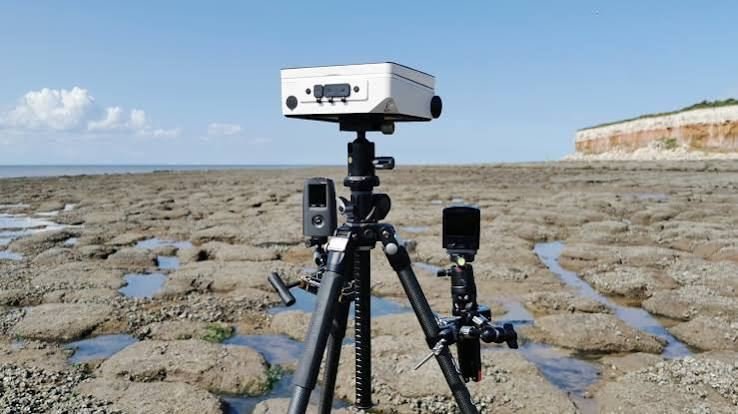
Construction projects involve hundreds of activities, multiple teams, and constantly changing site conditions. From initial ground preparation to structural development and final finishing, every stage contributes to the completion of a project. However, keeping track of these changes over several months can be challenging, particularly when project managers need to communicate progress to clients and stakeholders.
Traditional photographs provide useful records, but they only capture individual moments. They cannot always demonstrate how a project developed over time. This is where time-lapse technology offers a practical advantage.
By capturing images at scheduled intervals and combining them into a continuous video, Time-Lapse Cameras allow businesses to view weeks or months of construction activity in a much shorter sequence. This makes project documentation more engaging, accessible, and easier to understand.
Why Is Visual Project Documentation Important?
Construction companies need reliable ways to record project development. Written reports, site inspections, and progress photographs all contribute to project documentation, but visual records can communicate certain details more effectively.
A series of regularly captured images can show how a site changes throughout different construction phases. Project managers can review completed work, identify visible developments, and create presentations that explain progress to clients.
Visual documentation is also valuable when multiple stakeholders are involved. Investors, consultants, contractors, and property owners may not visit the construction site regularly. A time-lapse video provides them with a convenient overview without requiring frequent physical visits.
For large developments, maintaining a visual record from the beginning can also create a valuable archive of the entire construction process.
How Does Time-Lapse Technology Work?
A time-lapse camera captures photographs at predefined intervals rather than recording continuous video throughout the day. These intervals may be set according to the project’s duration, the type of activity being monitored, and the level of detail required.
For example, a construction site may be photographed every five minutes during working hours. The resulting images can later be combined into a video showing the gradual development of the building.
Some systems also provide remote access, allowing authorised users to view images and monitor camera status through an online platform. Depending on the equipment, users may be able to adjust capture schedules, review stored photographs, and manage project footage remotely.
The final video can be edited to highlight important milestones, remove unnecessary periods, and present the project’s development in a clear sequence.
What Are the Main Benefits for Construction Companies?
One of the biggest advantages of time-lapse technology is its ability to turn a lengthy construction process into an understandable visual record.
Clear progress monitoring: Project teams can review images from different dates and compare the site’s condition across construction stages. This provides an additional visual reference when discussing completed work.
Better client communication: Instead of relying entirely on written updates, contractors can share visual progress reports with clients. A short video can make complex developments easier to understand.
Project marketing: Developers can use professionally edited footage in presentations, websites, and promotional campaigns. Showing the development process can help demonstrate project scale and operational capability.
Historical documentation: Images captured throughout construction create a record that can be retained for future reference. This may be useful for internal reviews, presentations, and project archives.
Remote visibility: When cameras provide secure remote access, authorised stakeholders can review site images without travelling to the location. This is particularly useful for projects involving teams working across different locations.
These benefits make time-lapse technology useful for construction companies, property developers, engineering consultants, and infrastructure contractors.
Where Else Can Time-Lapse Cameras Be Used?
Although construction monitoring is one of the most common applications, the technology is not limited to building projects.
Infrastructure developments such as road construction, bridges, railway works, and large-scale utility installations can benefit from regular visual documentation. These projects often extend over long periods and involve multiple phases that are difficult to capture through occasional photographs.
Industrial facilities can use time-lapse recording to document equipment installation, factory expansion, and facility upgrades. Event organisers may use it to show venue preparation, exhibition setup, and the transformation of event spaces.
Architectural firms can also use time-lapse footage to demonstrate how designs develop into completed structures. These videos can become useful additions to project portfolios and client presentations.
What Should You Consider Before Installing a Time-Lapse Camera?
Selecting suitable equipment requires more than choosing a camera with a high image resolution. The installation location, project duration, environmental conditions, and storage requirements all influence the final results.
Camera positioning is particularly important. The selected location should provide a clear view of the work area while avoiding unnecessary obstructions. For large construction sites, more than one camera may be needed to capture different sections or important activities.
Weather protection is another consideration. Outdoor equipment may be exposed to heat, dust, wind, and moisture. The camera enclosure and mounting arrangement should be suitable for the site’s environmental conditions.
Power and connectivity also require planning. Depending on the installation, the system may use a fixed power connection, battery support, solar power, or a combination of options. Remote monitoring requires an appropriate communication connection.
Storage capacity should be considered as well. Long projects can generate thousands of images, so businesses need a suitable method for storing, organising, and backing up their footage.
Finally, site permissions and privacy should not be overlooked. Cameras should be positioned to document the intended project area without unnecessarily capturing neighbouring private spaces or sensitive information.
Why Is Professional Installation Important?
Even advanced equipment may produce poor results when it is installed incorrectly. An unsuitable camera angle, unstable mounting position, or unreliable power supply can affect the quality and consistency of captured images.
Professional installation begins with a site assessment. The installation team evaluates the project layout, camera positioning, available power, connectivity, environmental exposure, and monitoring requirements.
Once the equipment is installed, testing helps confirm that images are captured at the correct intervals and stored properly. The team should also explain how authorised users can access the footage and manage the system.
Ongoing maintenance is equally important. Camera lenses may require cleaning, mounting equipment should be inspected, and storage and connectivity should be checked regularly. These steps help prevent gaps in documentation during important construction stages.
Businesses looking for professional visual monitoring solutions can explore AMJ Technology Solutions. Its time-lapse camera services support project documentation through site assessment, camera positioning, and installation solutions across the UAE.
Conclusion
Construction projects develop through numerous stages, and documenting those changes can provide lasting value for businesses and stakeholders. Time-lapse technology makes it possible to turn individual images into a clear visual story of project development.
Choosing suitable Time-Lapse Cameras involves considering camera placement, environmental protection, power, connectivity, storage, and professional installation. With the right setup, businesses can improve project visibility, communicate progress more effectively, and create useful visual records that remain valuable long after construction is complete.