The digitization of real-world assets (RWAs) is rapidly transforming the financial and investment landscape. Traditionally, physical assets such as real estate, commodities, or art have been difficult to trade, monitor, and manage due to regulatory, logistical, and security challenges. RWA tokenization services leverage blockchain technology to convert these assets into digital tokens, enabling secure ownership, improved liquidity, and transparent trading. This blog explores how these services facilitate secure asset digitization, the mechanisms involved, and the long-term benefits for investors and asset owners.
Understanding Real-World Asset Tokenization
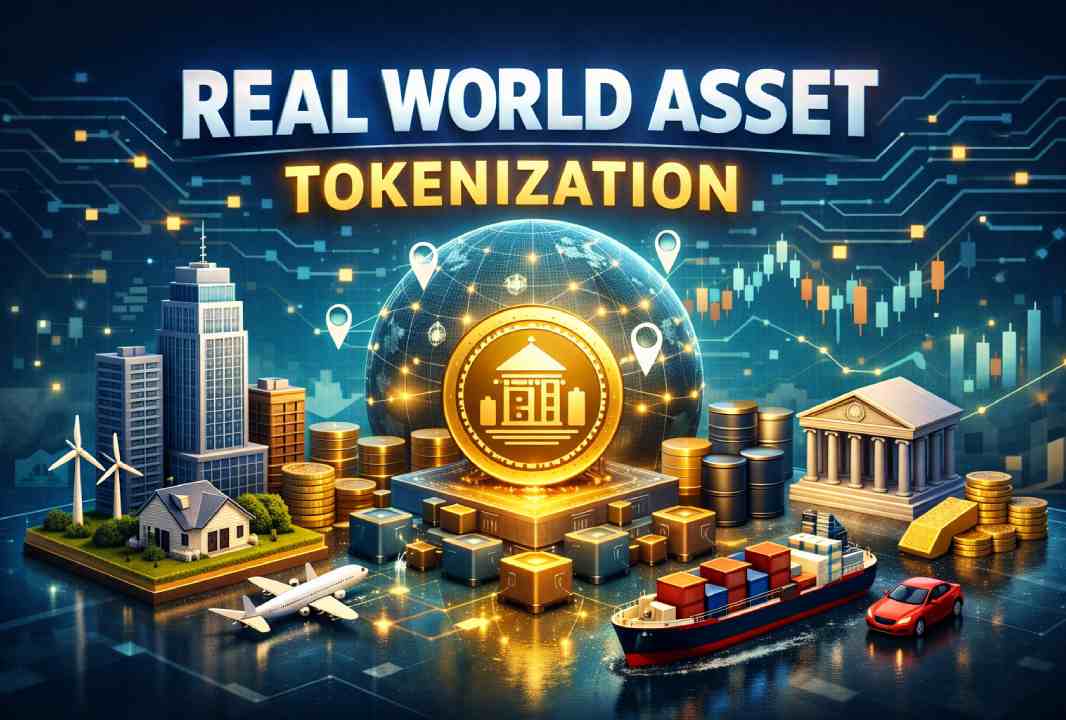
RWA tokenization is the process of representing physical, tangible assets as digital tokens on a blockchain. Each token signifies ownership or a stake in the underlying asset, making it easier to transfer, trade, or divide ownership. Tokenization applies to a wide range of assets, including:
- Commercial and residential real estate
- Industrial infrastructure like warehouses and factories
- Precious metals such as gold and silver
- Artwork and collectibles
- Renewable energy projects and other alternative investments
Digitizing these assets transforms them into a format that can be managed and transacted digitally, opening up global access and fractional ownership opportunities.
Challenges in Traditional Asset Management
Before tokenization, securing physical assets and managing ownership involved significant hurdles:
- Paper-Based Documentation: Property deeds, certificates, and legal agreements were prone to human error, forgery, and misplacement.
- Complex Ownership Transfers: Transferring asset ownership often required intermediaries, legal processes, and substantial time and cost.
- Limited Transparency: Tracking asset history, valuations, and ownership changes was challenging and inefficient.
- Security Risks: Physical assets and documentation were vulnerable to theft, tampering, and fraud.
- Regulatory Compliance: Meeting local and international compliance requirements involved repetitive legal verification and audits.
These challenges often made asset management expensive, time-consuming, and prone to disputes or fraud.
How RWA Tokenization Ensures Secure Digitization
RWA tokenization services address these challenges by leveraging blockchain technology, smart contracts, and regulatory integration. Here’s how they facilitate secure asset digitization:
1. Immutable Blockchain Records
Blockchain is a decentralized ledger where transactions are permanently recorded and cannot be altered. By tokenizing an asset on a blockchain:
- Ownership records are immutable, reducing the risk of tampering or fraud.
- Historical data about the asset, including transfers, valuations, and legal status, is transparent and verifiable.
- Investors and asset owners can verify authenticity without relying on intermediaries.
This immutability ensures that digital ownership is as secure as—or even more secure than traditional physical documentation.
2. Smart Contract Automation
Smart contracts are self-executing digital contracts programmed with predefined rules. They are central to secure asset digitization in RWA tokenization:
- Ownership Transfers: Smart contracts automatically transfer ownership when conditions are met, reducing human error and fraud.
- Dividends and Rent Distribution: Token holders receive automated payouts according to ownership percentages.
- Compliance Enforcement: Smart contracts can embed regulatory requirements, ensuring every transaction meets KYC/AML standards.
By automating critical processes, smart contracts reduce operational risk and create a secure, transparent environment for managing digital assets.
3. Fractional Ownership Without Compromising Security
Tokenization enables fractional ownership, allowing multiple investors to hold portions of a single asset. While fractional ownership could complicate traditional legal agreements, blockchain ensures:
- Each token holder’s share is accurately recorded and verifiable.
- Ownership cannot be duplicated or disputed due to immutable ledger entries.
- Smart contracts manage voting, decision-making, or revenue distribution automatically.
This secure fractionalization democratizes access to high-value assets without compromising asset integrity.
4. End-to-End Digital Verification
Secure asset digitization relies on accurate representation of the underlying asset. Tokenization services often implement:
- Digital Asset Mapping: Converting physical documents, deeds, or certifications into verified digital formats.
- Legal Verification: Ensuring tokenized assets comply with jurisdictional laws and ownership regulations.
- Audit Trails: Maintaining transparent records of all interactions with the asset.
End-to-end verification ensures that every token corresponds to a legitimate real-world asset, reducing counterparty risk.
5. Enhanced Data Security
Security in RWA tokenization extends beyond ownership verification. Platforms often use:
- Encryption: Protects sensitive investor and asset data.
- Multi-Signature Wallets: Requires multiple approvals for asset transfers, reducing the risk of unauthorized transactions.
- Periodic Smart Contract Audits: Detects vulnerabilities before exploitation, ensuring the digital framework is robust.
These measures create a secure digital ecosystem where asset digitization does not compromise privacy or integrity.
6. Compliance Integration
Regulatory compliance is a major concern in asset digitization. RWA tokenization platforms often embed compliance features directly into the blockchain ecosystem:
- KYC/AML Verification: Ensures only verified investors participate in transactions.
- Jurisdiction-Based Restrictions: Smart contracts can restrict token sales according to local laws.
- Automated Reporting: Transaction and ownership data can be reported automatically to regulators, reducing manual compliance effort.
This integration ensures secure digitization while adhering to legal standards.
7. Transparency and Auditability
Tokenized assets on a blockchain provide real-time transparency. Stakeholders including investors, auditors, and asset owners can:
- Verify ownership shares at any time
- Track asset performance and revenue streams
- Access historical transaction records
Transparency improves trust, reduces disputes, and enhances security by creating an auditable digital footprint.
Real-World Applications of Secure RWA Tokenization
Tokenized Real Estate
Investors can buy fractions of commercial or residential properties. Smart contracts automatically manage rent distribution, ownership transfers, and regulatory compliance. Blockchain ensures that fractional ownership cannot be disputed, and investor data remains secure.
Tokenized Commodities
Precious metals or oil reserves can be tokenized for global trading. Each token corresponds to a verified portion of the physical commodity, and blockchain ensures secure, immutable ownership records, mitigating the risk of fraud or misrepresentation.
Tokenized Infrastructure Projects
Large-scale infrastructure, like renewable energy plants or industrial facilities, can be tokenized for fractional investment. Automated smart contracts facilitate revenue sharing, compliance reporting, and secure ownership management.
Benefits of Secure Asset Digitization Through Tokenization
- Reduced Fraud Risk: Immutable records and automated verification prevent asset misrepresentation or double-selling.
- Operational Efficiency: Smart contracts and automated processes reduce administrative burdens and manual errors.
- Global Accessibility: Investors can securely access assets worldwide without relying on intermediaries.
- Transparency: Complete audit trails ensure stakeholders have full visibility into asset history.
- Lower Costs: Reduced reliance on lawyers, brokers, and auditors lowers operational and transaction costs.
- Investor Confidence: Security, transparency, and regulatory compliance increase investor trust, encouraging wider participation.
Choosing the Right RWA Tokenization Platform
To ensure secure asset digitization, investors and asset owners should evaluate platforms based on:
- Security Protocols: Encryption, smart contract audits, and multi-signature authorization
- Regulatory Compliance: KYC/AML integration and jurisdiction-specific restrictions
- Transparency Features: Audit trails, reporting dashboards, and real-time ownership verification
- Scalability: Ability to handle large portfolios and global transactions
- Support & Maintenance: Vendor support for updates, compliance, and technical issues
Selecting a platform that meets these criteria ensures that asset digitization is secure, efficient, and sustainable.
Conclusion
RWA tokenization services are redefining the way physical assets are digitized, managed, and traded. By leveraging blockchain technology, smart contracts, and regulatory integration, these platforms facilitate secure, transparent, and efficient asset digitization. Investors benefit from fractional ownership, enhanced liquidity, global access, and robust compliance, while asset owners can streamline operations and reduce fraud risks.
Secure asset digitization is not merely a technical innovation—it is a strategic enabler for modern investment ecosystems. As adoption grows, RWA tokenization will continue to make asset ownership more accessible, transparent, and secure, unlocking new opportunities for investors and reshaping the future of asset management.