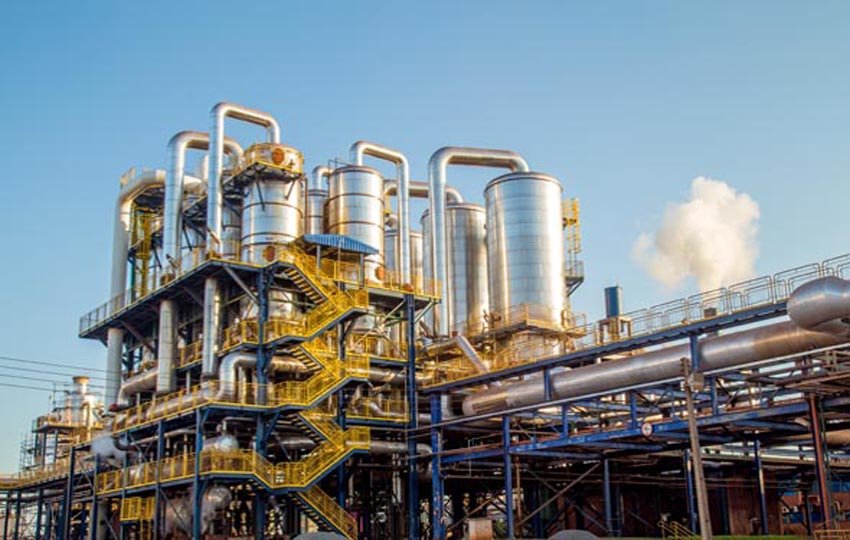
Metal surfaces are widely used in commercial buildings, manufacturing facilities, warehouses, equipment, tanks, structural components, and other industrial settings. Without proper protection, exposed metal can gradually develop corrosion, surface deterioration, and other damage. An industrial painting service in Cleveland, OH can help protect these surfaces by preparing the metal correctly and applying coatings designed for the conditions of the property. The process involves more than simply applying paint. Professionals inspect the surface, remove contaminants, address existing damage, select suitable coatings, and apply them according to the needs of the material. Proper industrial coatings can create a protective barrier between metal and damaging elements. This helps maintain the appearance and condition of the surface while supporting longer service life. A carefully planned industrial painting project can also make future maintenance easier by providing a durable and consistent finish.
Surface Preparation Creates a Strong Foundation
Proper surface preparation is one of the most important parts of industrial painting. A coating cannot perform properly if it is applied over dirt, grease, loose paint, rust, or other contaminants. Professional painters begin by examining the metal and determining what preparation is necessary before applying any coating. Depending on the condition of the surface, preparation may include cleaning, scraping, sanding, power washing, or abrasive blasting. The goal is to create a clean and suitable surface where the coating can bond properly.
Removing Rust and Contaminants
Rust and contaminants can prevent coatings from adhering correctly. Professional preparation removes loose corrosion, old coating, oil, dust, and other materials that could weaken the finished application. A clean surface gives protective coatings a better foundation and helps create a more consistent finish.
Tip, Do not focus only on the visible condition of the metal. Areas underneath old coatings or around joints and connections can also require careful inspection before painting.
Protective Coatings Help Reduce Corrosion
Once the metal has been properly prepared, the right coating system can create a protective barrier over the surface. Industrial coatings are selected according to the type of metal, location, use of the facility, and exposure conditions. Different projects may require primers, protective paints, epoxy coatings, or other specialized systems. The purpose is to reduce direct contact between the metal and substances that can contribute to corrosion or deterioration.
Choosing the Right Coating System
A professional industrial painter considers the surface and operating environment before recommending a coating. A suitable primer can improve adhesion, while the finish coating provides additional protection. Using the right combination can help the coating remain effective and reduce premature peeling, cracking, or surface failure.
Application Quality Affects Long Term Protection
Even a high quality coating can perform poorly if it is applied incorrectly. Professionals follow appropriate application procedures and pay attention to coverage, surface condition, coating thickness, and drying requirements. Proper application helps create a consistent protective layer across the metal surface.
Industrial Painting Can Protect Different Metal Structures
Industrial painting can be used on many types of metal surfaces, including structural steel, machinery, pipes, tanks, railings, equipment, metal panels, and support structures. Each application can have different requirements based on the condition and function of the surface. A professional assessment helps determine the preparation method and coating system needed for the project.
Protecting Equipment and Structural Components
Metal equipment and structural components can experience wear from regular use. A suitable industrial coating can provide an additional protective layer while improving the appearance of the surface. For large facilities, consistent coating application can also create a cleaner and more uniform appearance across different structures.
Tip, Ask the painting contractor which coating system is being recommended and why it suits the specific metal surface. Understanding the reason behind the recommendation can help you make a more informed choice.
Regular Inspection Supports Coating Performance
Industrial painting is not simply a one time process. Coated metal surfaces should be inspected periodically for signs of peeling, cracking, bubbling, rust, or other deterioration. Early attention can help prevent minor coating problems from spreading across a larger surface. Maintenance inspections also provide an opportunity to identify areas that may require touch ups or additional preparation.
Why Maintenance Matters
Small coating failures can expose metal to moisture and contaminants. If these areas are ignored, corrosion can spread underneath surrounding coatings. Regular inspection allows property owners to identify damaged sections and address them before the problem becomes more extensive.
Professional Assessment Helps Identify Problems
An experienced industrial painting contractor can examine the coating and determine whether maintenance, repair, or complete recoating is appropriate. The correct solution depends on the condition of the existing coating and the metal underneath it. Professional assessment can help avoid unnecessary work while keeping important surfaces properly protected.
Frequently Asked Questions
What Is the Main Purpose of Industrial Painting?
The main purpose of industrial painting is to protect metal surfaces from corrosion, deterioration, and surface damage while providing a durable finish.
Why Is Surface Preparation Important?
Surface preparation removes contaminants, rust, loose material, and old coating so the new coating can bond properly to the metal.
Can Industrial Painting Prevent Rust?
A properly selected and applied coating can help reduce exposure to conditions that contribute to corrosion and rust.
What Metals Can Be Coated?
Industrial coatings can be applied to many metal surfaces, including structural steel, machinery, pipes, tanks, equipment, and metal panels.
How Do Professionals Choose an Industrial Coating?
Professionals consider the metal surface, existing condition, facility requirements, expected exposure, and intended use before selecting a coating system.
Does Industrial Painting Require Regular Maintenance?
Regular inspection can help identify coating damage early and determine when touch ups or additional painting may be needed.