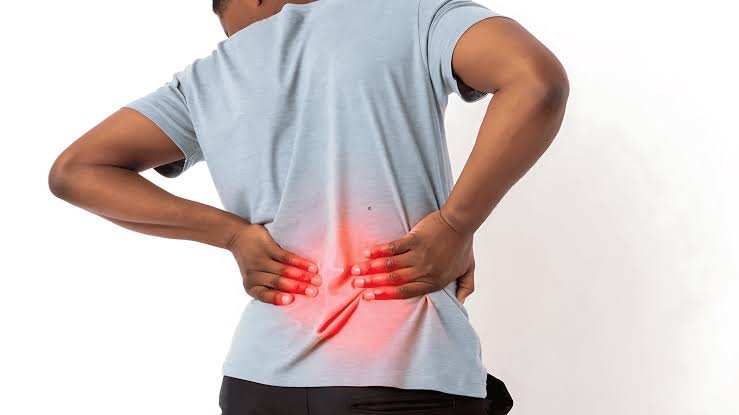
Back pain can make sitting, walking, working, and sleeping uncomfortable, especially when symptoms appear after physical activity or prolonged periods of inactivity. For people interested in Managing Back Pain at Home in Dubai, heat and cold therapy can be simple comfort measures that may help ease certain types of back discomfort. A Doctor at Home can provide professional assessment when symptoms persist or require medical attention, while appropriate use of heat or cold may complement other home-care strategies. These therapies are not cures for every type of back pain, so understanding when and how to use them safely is important.
Understand How Cold Therapy May Help:
Cold therapy is commonly used for short-term relief after a recent strain or physical activity that has left an area feeling sore. Applying a cold pack may temporarily numb discomfort and can be soothing during an acute flare-up. Cold therapy is generally most useful as a comfort measure rather than a treatment for the underlying cause of back pain. Always wrap a cold pack in a thin towel instead of applying it directly to your skin. Use it for a limited period and allow your skin to return to its normal temperature between applications. If cold causes excessive numbness, skin discoloration, or increased discomfort, discontinue use.
Know When Heat Therapy Can Be Useful:
Heat can feel particularly soothing when back discomfort is associated with stiffness or muscle tension. A warm shower, heating pad, or warm compress may help you feel more relaxed and comfortable. Gentle warmth can also make movement feel easier for some people, which may help them participate in normal daily activities. Heat should be comfortably warm rather than extremely hot, and a protective layer should be used between a heating device and your skin. Avoid falling asleep while using a heating pad, as prolonged exposure can increase the risk of burns. If heat makes your symptoms worse, stop using it and consider seeking professional advice.
Choose Between Heat and Cold:
There is no single rule that says everyone with back pain should use heat or everyone should use cold. Your symptoms and personal response can help determine which feels more comfortable. Cold may be preferable for some people after a recent strain, while warmth may feel better when stiffness or muscle tension is more prominent. In some situations, people may prefer alternating between the two, but this should be done carefully. Consider these general comfort options:
- Cold therapy for temporary relief after a recent strain.
- Heat therapy for stiffness or muscle tightness.
- Warm showers for overall relaxation.
- Short applications rather than prolonged exposure.
- A towel or protective layer between your skin and the heat or cold source.
If you are uncertain which approach is suitable, a healthcare professional can provide individualized guidance.
Use Cold Therapy Safely:
When using a cold pack at home, preparation and timing are important. Place the cold source inside a towel or cloth to protect your skin. Apply it for a short period rather than leaving it in place for an extended time. Check your skin regularly and stop if it becomes excessively numb, pale, blue, or painful. People with certain circulation or sensation problems may need to avoid or modify cold therapy, so professional advice is important if you have an underlying condition that affects your ability to sense temperature. Cold therapy should never be used as a reason to ignore worsening symptoms or delay appropriate medical care.
Apply Heat Safely:
Heat can be delivered through a warm shower, warm compress, hot-water bottle, or heating pad designed for safe use. Make sure the temperature is comfortable and avoid placing very hot materials directly against your skin. Limit exposure and check your skin regularly. Heating pads should be used according to the manufacturer’s instructions, and you should avoid sleeping with one switched on. Extra caution is appropriate for people who have reduced sensation or circulation because they may not notice excessive heat quickly enough. If your skin becomes painful, unusually red, blistered, or irritated, discontinue the heat source and seek appropriate advice.
Combine Therapy With Gentle Movement:
Heat and cold can provide temporary comfort, but they are often more useful when combined with sensible movement and other home-care habits. For example, some people may find that gentle warmth makes stiffness feel more manageable before a short walk or mobility routine. Others may prefer cold after an activity that temporarily increases soreness. Avoid using heat or cold as a substitute for all physical activity. If your symptoms allow, continue gentle movement throughout the day and avoid prolonged bed rest. A balanced approach can help you remain engaged with normal activities while using thermal therapy for short-term comfort.
Use Heat or Cold During Daily Activities:
Thermal therapy can be incorporated into a normal home routine without requiring a complicated schedule. You might use a warm shower in the morning if stiffness is noticeable after waking or apply a comfortable heat source during a short rest period after a demanding day. If cold feels more appropriate after physical activity, use a properly wrapped cold pack for a limited period. Always make sure you can monitor the therapy rather than leaving a heat or cold source unattended. Helpful opportunities may include:
- Using a warm shower before gentle movement.
- Applying cold after an activity that causes temporary soreness.
- Using heat during a short rest break.
- Combining therapy with comfortable stretching.
- Taking a gentle walk after symptoms have settled.
These approaches should be adjusted according to your comfort and individual circumstances.
Avoid Common Heat and Cold Mistakes:
Thermal therapy is simple, but incorrect use can cause skin damage or delay appropriate care. One common mistake is assuming that stronger heat or colder temperatures will provide better results. They will not necessarily improve your symptoms and can increase the risk of injury. Another mistake is using therapy continuously throughout the day without allowing your skin to recover. Avoid applying ice directly to your skin, using excessively hot devices, or falling asleep while a heating pad is active. Most importantly, do not use heat or cold to mask serious or worsening symptoms that require medical assessment.
Support Back Care With Healthy Habits:
Heat and cold therapy work best as part of a broader approach to managing back discomfort. Continue to focus on comfortable movement, appropriate exercise, good sleep, safe lifting, and regular changes of position. If you work at a desk, take frequent movement breaks instead of remaining seated for hours. If you perform physical tasks, avoid sudden increases in workload and use sensible lifting techniques. Other helpful habits include:
- Walking regularly.
- Taking breaks from prolonged sitting.
- Maintaining comfortable sleep habits.
- Gradually increasing physical activity.
- Managing everyday stress.
- Avoiding heavy lifting when symptoms are acute.
A combination of supportive habits may provide more sustainable benefits than relying on one temporary comfort measure.
Know When to Seek Medical Advice:
Home thermal therapy is generally intended for temporary comfort and may not be appropriate for every type of back pain. Seek professional medical advice if your pain is severe, persistent, worsening, or repeatedly interfering with daily activities. Back pain following a significant injury should also be assessed. Urgent attention is particularly important if you develop new bladder or bowel control problems, numbness around the genital or anal region, or significant weakness or numbness affecting both legs. Fever, feeling seriously unwell, or unexplained weight loss alongside back pain can also warrant prompt evaluation. A Doctor at Home may provide convenient non-emergency assessment when traveling to a clinic is difficult, but emergency symptoms require appropriate urgent medical care.
Create a Safe Home Pain-Relief Routine:
A simple routine can help you use heat or cold more responsibly. Start by identifying what type of discomfort you are experiencing and choose the therapy that feels appropriate and safe. Use it for a limited period, protect your skin, and monitor your response. Follow thermal therapy with comfortable movement when appropriate rather than immediately returning to strenuous activity. If symptoms improve, gradually continue your normal activities. If they persist, worsen, or repeatedly return, do not continue relying on home therapy indefinitely. Professional assessment can help determine whether additional treatment is needed.
Final Thoughts:
Heat and cold therapy can be useful home strategies for temporarily managing certain types of back pain. Cold may provide soothing relief after a recent strain, while warmth can feel beneficial when stiffness or muscle tension is prominent. Neither approach should be considered a universal cure, and both need to be used carefully to protect the skin and avoid excessive exposure. Combining thermal therapy with gentle movement, healthy daily habits, appropriate rest, and timely professional assessment can create a more balanced approach to back care. If your symptoms become severe, persistent, or associated with warning signs, seek medical attention rather than relying solely on home remedies.