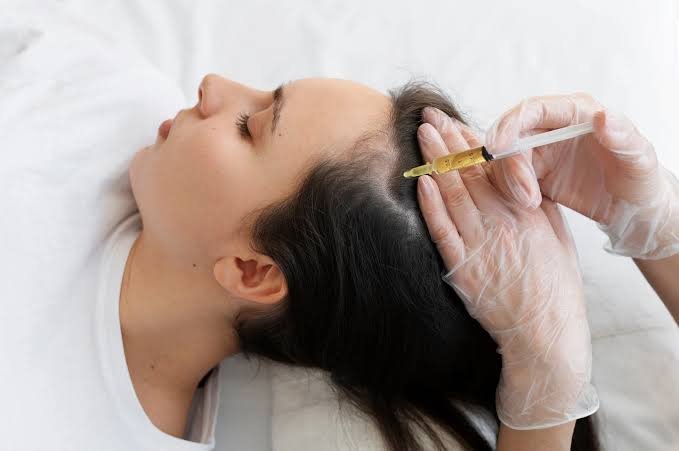
The time required for a hair restoration procedure depends on the treatment method, the preparation of the biological material, and the individual’s scalp condition. A Stem Cell Transplant in Dubai is an emerging approach being explored to support hair follicle activity and improve the scalp environment. Unlike conventional hair transplantation, which involves moving hair follicles from a donor area to areas with thinning, stem cell-based procedures may involve collecting tissue, preparing a cell-based product, and applying or injecting it into selected scalp areas. The appointment may take a few hours, but the exact duration varies according to the technique used and the treatment plan.
Factors That Influence Procedure Time
Several factors can affect how long a stem cell-based hair procedure takes. The method used to collect the biological material, the amount of preparation required, the size of the treatment area, and the number of injections can all influence the appointment length. Some techniques involve collecting a small tissue sample before processing it, while others use prepared cell-derived products. The clinic’s protocol and the patient’s individual requirements also determine how the procedure is organised. For this reason, there is no single duration that applies to every stem cell hair treatment.
Initial Consultation and Scalp Assessment
Before the procedure, a specialist needs to understand the patient’s hair loss pattern, medical history, scalp condition, and treatment goals. This consultation may take place on a separate day or before the treatment appointment, depending on the clinic’s arrangements. The specialist may examine the scalp using magnification to assess hair density, follicle condition, and areas of thinning. Blood tests or additional investigations may be recommended if the hair loss could be related to nutritional deficiencies, hormonal changes, or another medical condition. This assessment helps establish whether the proposed procedure is appropriate.
Preparation Before the Procedure
Once a treatment plan has been discussed, the patient may receive instructions about preparing for the appointment. These instructions can include guidance about washing the scalp, medications, supplements, and avoiding certain products. The requirements depend on the specific procedure and the patient’s medical history. Patients should inform the specialist about allergies, existing medical conditions, and medicines they regularly use. Following the provider’s instructions can help the appointment proceed smoothly and reduce avoidable complications.
Collection of the Biological Material
Some stem cell-based hair procedures begin with collecting tissue or another biological sample from the patient’s body. The collection method varies according to the treatment protocol. In certain approaches, a small tissue sample may be taken from an area such as the scalp or another suitable site. The area is usually cleaned and local anaesthesia may be used to reduce discomfort. The time required depends on the collection technique and the amount of material needed. Not every treatment marketed as stem cell hair restoration involves the same collection process.
Processing and Preparation Time
After collection, the material may need to be processed before it can be applied to the scalp. Depending on the method, this may involve separating or preparing specific tissue components or producing a cell-derived preparation. Some procedures use growth-factor-rich products rather than purified stem cells, so patients should understand exactly what material is being used. Processing may take place during the appointment or through a separate preparation process. The time required can therefore vary considerably between providers and treatment protocols.
Scalp Preparation and Local Anaesthesia
Before the prepared material is administered, the treatment area is usually cleaned and prepared. The specialist identifies the areas where the product will be applied or injected. Local anaesthesia may be used when required to improve comfort during the procedure. The amount of preparation depends on the size of the scalp area and the technique being performed. Patients may experience temporary pressure, mild discomfort, or sensitivity, although the experience differs from person to person.
Application or Injection Process
In procedures that involve scalp injections, the prepared material is administered into selected areas using a suitable technique. The specialist may work across several sections of the scalp to cover the areas identified during the consultation. The time required depends on the number of treatment points, the size of the thinning area, and the injection method. Some approaches may involve applying a preparation to the scalp rather than injecting it. Because techniques differ, patients should ask their provider to explain each stage of the planned procedure.
Recovery After the Appointment
Many minimally invasive approaches allow patients to return home on the same day, but recovery instructions depend on the procedure performed. Temporary redness, tenderness, swelling, or mild bruising may occur around the treated area. Patients should follow the specialist’s advice about washing their hair, exercising, using scalp products, and returning to their usual routine. If the procedure involves a tissue collection site, that area may also need aftercare. Any severe pain, increasing swelling, fever, unusual discharge, or signs of infection should be reported to a medical professional promptly.
Difference Between Stem Cell Treatment and Conventional Hair Transplantation
The appointment time for a stem cell-based procedure can differ from that of conventional hair transplantation because the techniques are not the same. Traditional methods such as follicular unit extraction involve removing individual follicles from a donor area and placing them into areas with hair loss. This requires careful handling and placement of many grafts, so the procedure can take several hours. Stem cell-based approaches generally focus on cell-related preparations or biological signals and do not necessarily transfer complete hair follicles. The duration and expected outcome should therefore be discussed separately for each treatment.
Factors That May Extend the Appointment
Certain circumstances may make the appointment longer than expected. A larger treatment area may require more preparation and application time, while additional collection or processing steps can also extend the procedure. The patient’s scalp condition and the need for careful assessment may influence the schedule. If the provider identifies an issue that requires further investigation, treatment may be postponed rather than rushed. Patients should allow enough time for consultation, preparation, the procedure itself, and any immediate aftercare instructions.
Planning Your Treatment Appointment
Before scheduling, patients should ask the clinic for an estimated appointment duration based on the exact method being offered. It is useful to confirm whether consultation, sample collection, processing, and scalp application will take place during one visit or across multiple appointments. Patients should also ask whether they need someone to accompany them, whether they can drive afterwards, and when they can resume normal activities. Clear instructions help avoid confusion and make it easier to plan work and personal commitments around the treatment.
Conclusion
A stem cell-based hair restoration appointment may take a few hours, but the exact duration depends on the collection method, preparation process, treatment area, and administration technique. Some procedures may involve several stages or separate visits, so a general time estimate cannot apply to every patient. The appointment length also does not indicate how effective the treatment will be. Since stem cell-based hair restoration remains an evolving field, patients should receive clear information about the exact procedure, its evidence, risks, and expected recovery before deciding to proceed.
Frequently Asked Questions
Does a Stem Cell Hair Procedure Take All Day?
Many procedures are organised as appointments lasting a few hours, but the duration varies according to the technique and preparation requirements. More complex protocols may require additional time or separate visits. The provider should give an estimate based on the specific treatment plan.
Is Local Anaesthesia Used During the Procedure?
Local anaesthesia may be used for tissue collection or scalp injections, depending on the technique. It helps reduce discomfort during these stages. The specialist should explain which areas will be numbed and what sensations the patient may experience.
Can I Go Home Immediately After Treatment?
Many minimally invasive procedures are performed on an outpatient basis, allowing patients to return home on the same day. However, this depends on the treatment method and the patient’s condition. The provider will give instructions about leaving the clinic and managing the treated areas.
Does Processing the Material Add Extra Time?
Yes, some procedures require the collected tissue or biological material to be processed before application. The time depends on the preparation method and whether processing takes place during the appointment or separately. Patients should ask what the process involves.
How Long Should I Allow for the Entire Appointment?
It is sensible to allow additional time beyond the estimated procedure itself for consultation, preparation, consent, and aftercare instructions. The clinic can provide a more accurate schedule after reviewing the patient’s condition and confirming the treatment method.
Can I Return to Work After the Procedure?
Some people may return to routine activities relatively soon after a minimally invasive treatment, while others may need time to manage tenderness, redness, or swelling. The type of work and the procedure performed can affect this decision. Follow the specialist’s recovery advice.
Is a Stem Cell Procedure Faster Than a Traditional Hair Transplant?
Some stem cell-based procedures may involve fewer surgical steps than conventional hair transplantation, but the comparison depends on the exact techniques. Traditional transplantation requires harvesting and placing follicular grafts, while stem cell-based approaches may involve tissue preparation or scalp administration. They are not interchangeable treatments.
Does a Longer Procedure Produce Better Hair Growth?
The length of an appointment does not determine the quality of the outcome. Results depend on factors such as the treatment method, follicle condition, underlying cause of hair loss, and available clinical evidence. No procedure duration can guarantee successful hair restoration.