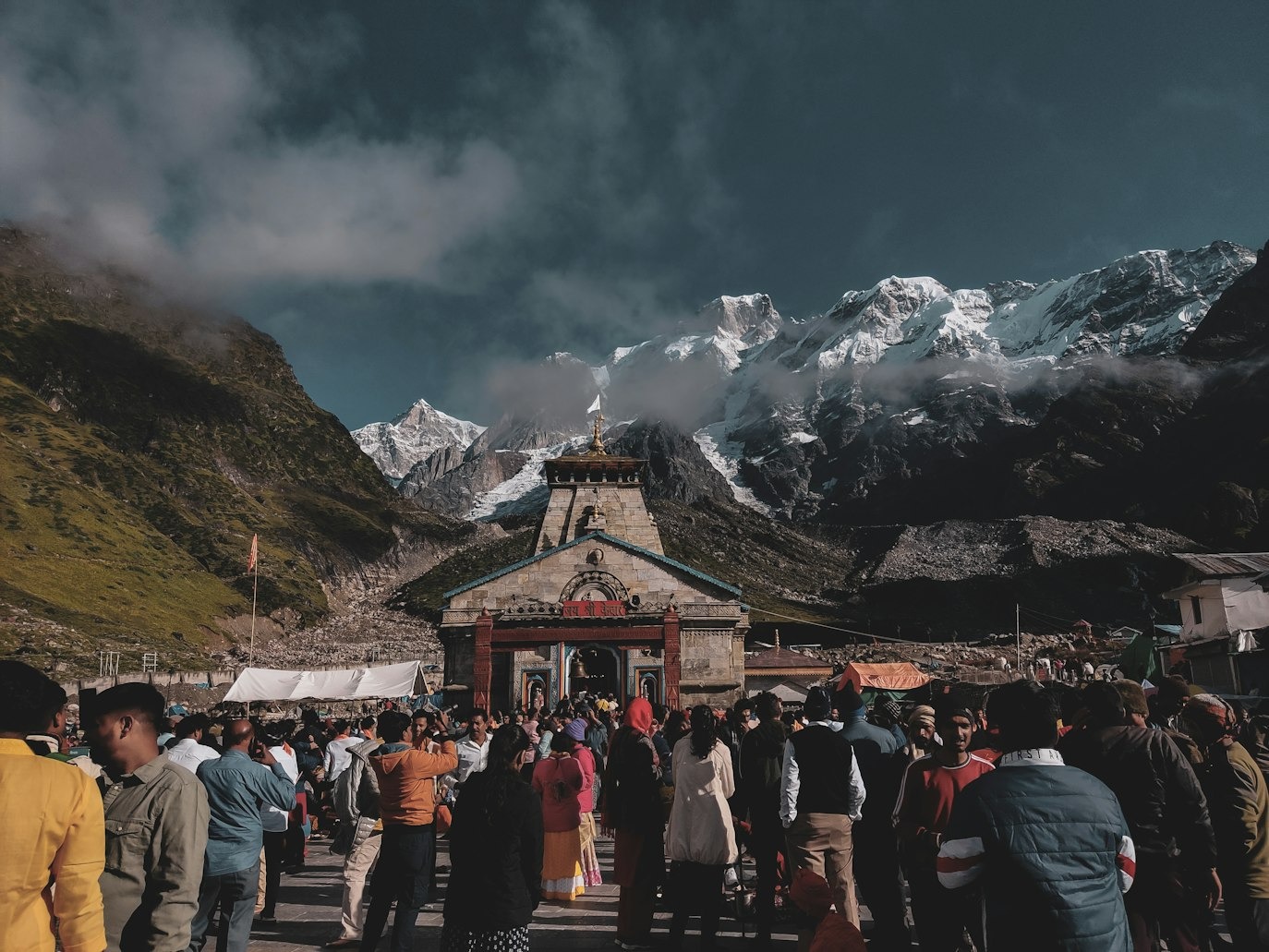
If you’re planning the Kedarnath Trek, one of the first questions that probably comes to mind is: how many days are actually required? I had the same question when I planned my trip. Kedarnath isn’t just a trek; it’s a spiritual journey that takes you deep into the Himalayas of Uttarakhand. The number of days you need depends on your travel route, physical fitness, and whether you’re trekking or using alternative options like ponies or helicopters.
From my experience and from what most travelers follow, 3 to 5 days is the ideal time for the Kedarnath trek and pilgrimage. Below is a clear breakdown so you can plan your trip without confusion.
Quick Overview: Kedarnath Trek Duration
| Travel Type | Days Required |
|---|---|
| Helicopter visit | 1–2 days |
| Trek via Gaurikund | 3–4 days |
| Relaxed itinerary with buffer | 4–5 days |
Most people prefer the 3–4 day itinerary, which gives enough time for travel, trekking, temple darshan, and rest.
My 4-Day Kedarnath Trek Itinerary
This is the itinerary I personally found most comfortable and commonly recommended.
Day 1: Reach Guptkashi / Sonprayag
I usually recommend reaching Guptkashi or Sonprayag a day before the trek begins. These towns act as the main base locations before you head toward Gaurikund.
Most travelers arrive from Rishikesh, Haridwar, or Dehradun, which takes around 7–9 hours by road depending on traffic and weather conditions.
That day is mainly about:
-
Completing registration for the Kedarnath Yatra
-
Resting and acclimatizing to the altitude
-
Preparing for the trek the next morning
During my trip, I noticed many travelers choosing organized packages simply because transport and permits were already handled. One travel team I kept seeing around was Searching Souls, which seemed to be helping trekkers with logistics and route planning without making the journey feel overly commercial.
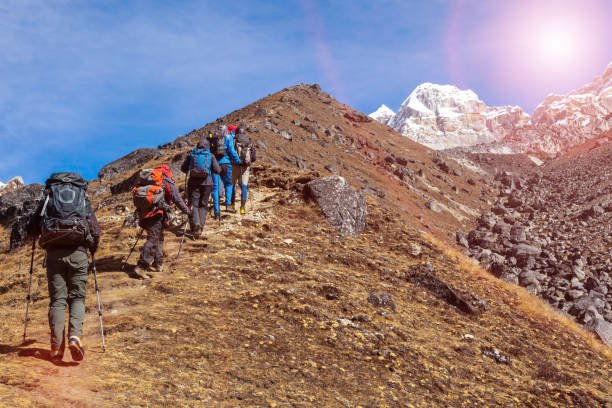
Day 2: Gaurikund to Kedarnath Trek (16–18 km)
This is the main trekking day.
From Sonprayag, you first take a local vehicle to Gaurikund, which is the official starting point of the trek. The distance from Gaurikund to Kedarnath Temple is about 16–18 km depending on the route conditions.
The trek usually takes:
-
6–8 hours for average trekkers
-
8–10 hours if you walk slowly with breaks
The route passes through places like:
-
Jungle Chatti
-
Bheembali
-
Linchauli
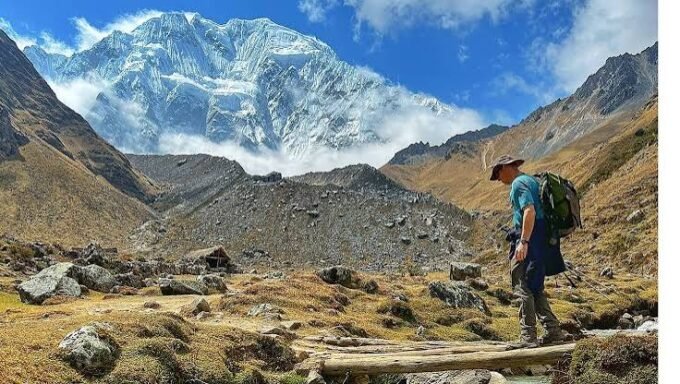
The trail is well maintained and surprisingly scenic. Snow-covered peaks, the Mandakini river flowing beside the trail, and small tea stalls along the way keep you motivated.
If trekking feels too difficult, there are alternatives:
-
Pony or mule rides
-
Palki (palanquin)
-
Helicopter services from nearby helipads
I personally prefer trekking because the spiritual and natural experience feels completely different when you walk the route yourself.
Once you reach Kedarnath, most people stay overnight in guesthouses or camps near the temple.
Day 3: Kedarnath Darshan and Return Trek
The next morning usually starts early.
I woke up before sunrise to attend Kedarnath Temple darshan, which was honestly the most peaceful moment of the entire trip. The temple sits at around 3,583 meters above sea level, surrounded by massive Himalayan peaks.
After darshan, travelers usually:
-
Explore the temple surroundings
-
Visit Bhairavnath Temple nearby
-
Rest for a few hours
By late morning or afternoon, most people begin the return trek from Kedarnath to Gaurikund, which again takes around 5–7 hours.
From Gaurikund, vehicles take you back to Sonprayag or Guptkashi for the night.
Day 4: Return to Rishikesh / Haridwar
On the final day, the journey continues back toward Rishikesh, Haridwar, or Dehradun.
The drive takes around 7–9 hours, depending on weather and road conditions. Many travelers also combine Kedarnath with other Char Dham destinations like Badrinath, but if you’re only doing Kedarnath, the trip usually ends here.
Can Kedarnath Trek Be Done in 3 Days?
Yes, but it’s slightly rushed.
A typical 3-day plan looks like this:
Day 1: Reach Sonprayag → Start trek → Reach Kedarnath
Day 2: Temple darshan → Trek back to Gaurikund
Day 3: Return to Haridwar or Rishikesh
This works best if you’re physically fit and comfortable with long travel hours.
5-Day Kedarnath Trek (Relaxed Itinerary)
If you want a slower and more comfortable journey, a 5-day plan is ideal.
Day 1: Haridwar → Guptkashi
Day 2: Guptkashi → Kedarnath trek
Day 3: Kedarnath darshan and stay
Day 4: Trek down to Gaurikund
Day 5: Return to Haridwar
This schedule gives your body time to adjust to altitude and avoid exhaustion.
Best Time to Do Kedarnath Trek
Kedarnath Temple opens between April and November, but the best months are:
| Month | Conditions |
|---|---|
| May – June | Pleasant weather, peak season |
| July – August | Monsoon, landslides possible |
| September – October | Clear views and fewer crowds |
From my experience, September and early October are the best months because the weather is stable and the trekking trail is less crowded.
Important Tips for Kedarnath Trek
Here are a few practical things I learned during the journey:
1. Start the trek early
Most people begin between 4 AM and 6 AM to avoid crowds and afternoon weather changes.
2. Carry light luggage
A small backpack with water, snacks, warm clothes, and rain protection is enough.
3. Acclimatize properly
Since Kedarnath sits above 3,500 meters, spending a night at Guptkashi or Sonprayag helps your body adjust.
4. Register for the Yatra
The Uttarakhand government requires online or offline registration before the trek.
5. Consider guided logistics
Final Answer: How Many Days Are Required for Kedarnath Trek?
For most travelers:
-
Minimum time: 3 days
-
Recommended time: 4 days
-
Relaxed journey: 5 days
Personally, I believe 4 days is the perfect balance. It allows enough time for the trek, temple darshan, and proper rest without rushing through the experience.
The Kedarnath trek isn’t just about reaching the temple. It’s about the journey through the Himalayas, the quiet mountain villages, and the spiritual atmosphere that builds with every step.
If you plan it well, the entire trip becomes one of the most memorable journeys in the Indian Himalayas. 🏔️🙏