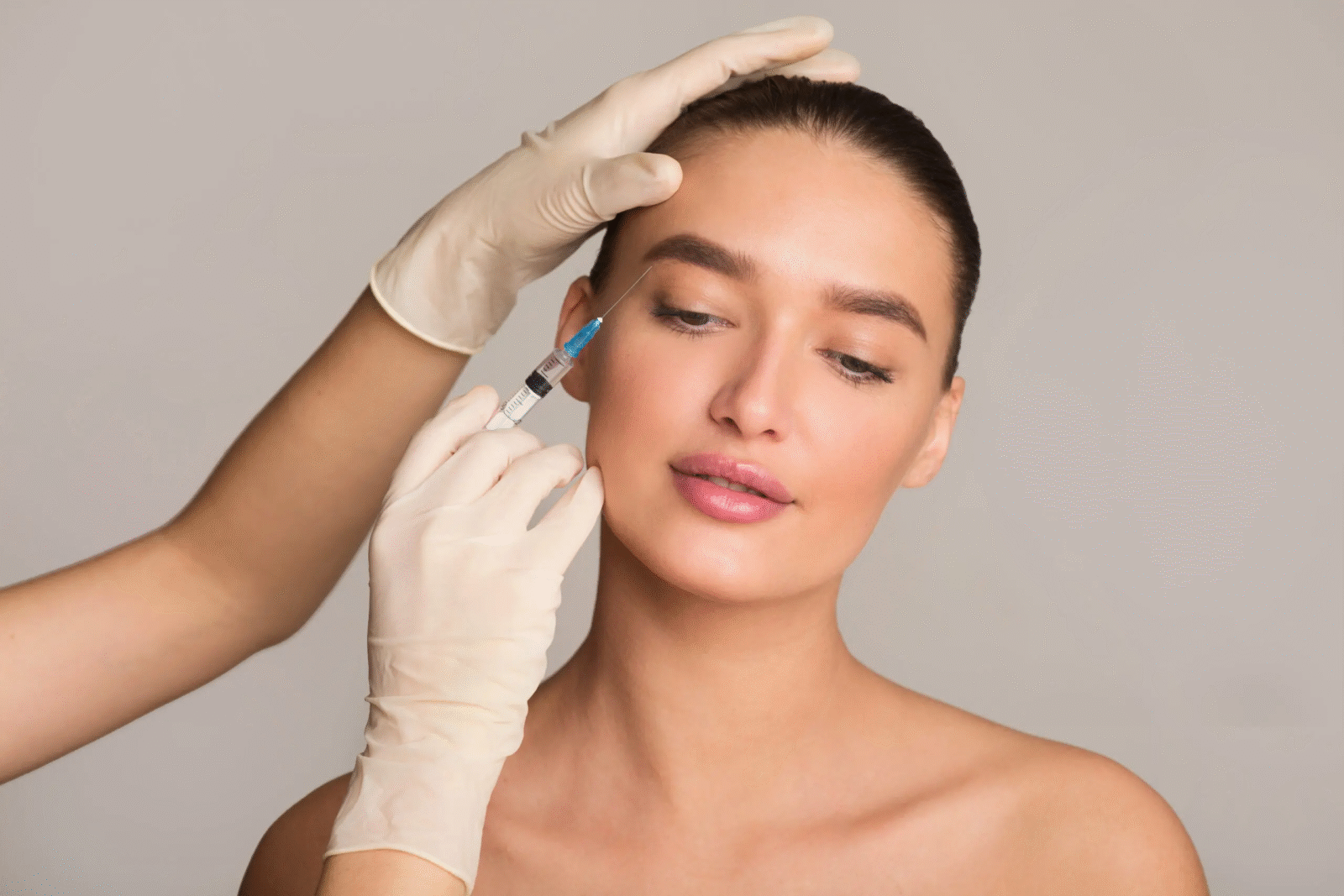
Botox has become one of the most popular non-surgical cosmetic treatments for reducing wrinkles and maintaining a youthful appearance, but one of the most common questions patients ask is how frequently they should repeat the procedure. Many people researching treatments such as Botox Injections in Riyadh want clear guidance on timing so they can maintain consistent results without overdoing treatment. The ideal frequency depends on how your body responds, the treatment area, and your aesthetic goals.
Standard Botox Duration and Timeline:
Botox does not provide permanent results, and its effects gradually wear off as nerve signals in the treated muscles return. Most patients experience a predictable timeline for results.
Typical Botox timeline:
- 2–3 days: Early muscle relaxation begins
- 5–7 days: Noticeable smoothing of lines
- 10–14 days: Full results appear
- 3–4 months: Gradual fading starts
- 4–6 months: Full muscle activity returns
This timeline forms the basis for scheduling repeat treatments.
Recommended Frequency for Most Patients:
For the majority of people, Botox is repeated a few times per year to maintain smooth and consistent results. However, timing may vary based on individual needs.
General recommendations:
- Every 3–4 months for most facial areas
- Every 4–6 months for smaller or less active muscles
- Up to 2–3 sessions per year for maintenance
- Preventative users may extend intervals over time
- First-time users may need earlier follow-up adjustments
Consistency helps maintain long-term results more effectively than irregular treatment.
Factors That Affect Botox Frequency:
Not everyone metabolizes Botox at the same rate, which means treatment schedules can differ from person to person.
Key influencing factors:
- Muscle strength in treated areas
- Metabolic rate and physical activity level
- Dosage and injection technique used
- Age and skin elasticity
- Frequency of facial expressions
People with stronger facial muscles may require more frequent treatments.
Treatment Area Differences:
Different parts of the face respond differently to Botox, which affects how often maintenance is needed.
Common area differences:
- Forehead lines: often need touch-ups every 3–4 months
- Frown lines (glabella): may last slightly longer
- Crow’s feet: typically 3–4 months
- Jawline (masseter): can last 4–6 months or longer
- Neck bands: may require more frequent sessions
Each area is treated based on muscle activity and response.
Signs You Need a Botox Touch-Up:
Rather than strictly following a calendar schedule, many patients rely on visible signs to decide when to repeat treatment.
Common indicators include:
- Gradual return of fine lines
- Increased muscle movement in treated areas
- Reduced smoothness in skin texture
- Facial expressions becoming more pronounced again
- Loss of previous “relaxed” appearance
These signs usually appear gradually over time.
What Happens If You Wait Too Long:
Delaying Botox for too long does not harm the skin, but it allows muscle activity to fully return, which may reduce consistency in results.
Possible effects of long gaps:
- Wrinkles gradually reappear
- Muscles regain full strength
- Results become less consistent over time
- More noticeable aging between sessions
- Need for slightly higher doses later
Regular maintenance helps avoid these fluctuations.
Can You Get Botox Too Often:
Yes, overusing Botox or shortening intervals too much is not recommended and may lead to an overly frozen or unnatural look.
Risks of too-frequent treatments:
- Reduced natural facial expression
- Muscle weakening beyond desired level
- Uneven facial appearance
- Diminished aesthetic balance
- Higher cost without added benefit
Proper spacing ensures natural and safe results.
Benefits of Regular Maintenance:
When done correctly and consistently, Botox maintenance provides long-term aesthetic benefits beyond temporary wrinkle reduction.
Key benefits:
- Sustained smooth and youthful appearance
- Prevention of deep wrinkle formation
- More predictable results over time
- Subtle facial rejuvenation
- Improved confidence and appearance consistency
Long-term users often notice better baseline skin condition.
Lifestyle Factors That Influence Frequency:
Daily habits can significantly affect how long Botox lasts and how often you need treatment.
Important factors include:
- High physical activity levels
- Sun exposure without protection
- Smoking and alcohol consumption
- Stress and facial tension habits
- Skincare routine quality
Healthy lifestyle choices can extend results.
Final Thoughts:
Botox is most effective when maintained at the right intervals, typically every few months depending on individual response and treatment area. Over time, consistent use can lead to longer-lasting and more refined results. For individuals considering cosmetic procedures such as Botox Injections in Riyadh, understanding the ideal frequency helps ensure natural-looking outcomes while avoiding over-treatment and maintaining long-term facial balance.