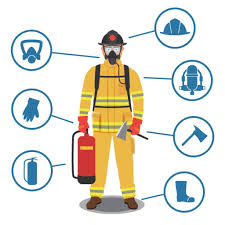
Workplace fires rarely start as dramatic, large-scale emergencies. More often, they begin quietly, a faulty wire behind a machine, an overheated motor, or a small chemical reaction that goes unnoticed for too long. In such moments, the difference between a controlled incident and a serious disaster depends heavily on how quickly and correctly firefighting equipment is used.
Across industrial and commercial environments, fire safety is not left to guesswork. It is guided by structured workplace regulations established by the Occupational Safety and Health Administration. These rules define not only what equipment must be available but also how employees should use it safely and effectively during emergencies.
In many safety training programs, including the OSHA 30 Hour Course, learners are introduced to the critical relationship between hazard awareness and proper firefighting response. This foundation helps workers understand that having equipment is not enough. Knowing how to use it correctly under pressure is what truly protects lives and property.
OSHA Standards and Firefighting Equipment Safety
The Occupational Safety and Health Administration sets clear expectations for workplace fire preparedness through standardized regulations designed to reduce risk and improve emergency response outcomes. Occupational Safety and Health Administration emphasizes that employers must ensure both accessibility and proper usage training for firefighting equipment.
OSHA standards focus on three core principles: availability, accessibility, and usability. This means fire extinguishers, alarms, sprinkler systems, and emergency suppression tools must not only be present but also easy to reach and suitable for the type of hazard present in the workplace.
The intent behind these standards is simple. In a fire emergency, hesitation or incorrect handling of equipment can escalate a manageable situation into a life-threatening event. OSHA regulations therefore prioritize preparedness through structured safety protocols and regular employee training.
Firefighting Equipment in Workplace Safety Systems
Workplaces use different types of firefighting equipment depending on the nature of their operations. Understanding these tools is essential for effective emergency response.
1. Fire Extinguishers
Fire extinguishers are the first line of defense in most workplace fire situations. They are categorized based on fire classes such as electrical fires, flammable liquids, and ordinary combustibles. OSHA requires that employees understand which extinguisher type is appropriate for each hazard.
2. Fire Blankets
Fire blankets are used to smother small fires or wrap around a person whose clothing has caught fire. They are commonly found in laboratories and kitchens where open flames or heated materials are present.
3. Sprinkler Systems
Automatic sprinkler systems are designed for larger fire control. They activate when heat thresholds are reached and help contain fire spread until emergency services arrive.
4. Hose Reels and Standpipes
These are typically installed in industrial facilities and provide a continuous water supply for manual fire suppression.
Each piece of equipment plays a specific role, and OSHA guidelines emphasize that workers should never assume one tool can replace another.
OSHA Requirements for Proper Use of Firefighting Equipment
OSHA does not only regulate equipment placement but also how employees interact with it during emergencies. Proper use involves training, awareness, and regular practice.
1. Training and Familiarity
Employees must receive training on how each firefighting device works. This includes understanding pressure mechanisms in extinguishers, activation steps for alarms, and safe distances during fire suppression.
2. Clear Accessibility
Firefighting equipment must remain unobstructed at all times. OSHA standards require that extinguishers and exits are clearly marked and not blocked by machinery, storage items, or temporary installations.
3. Inspection and Maintenance
Regular inspection ensures that equipment is functional. Pressure gauges, expiry dates, and mechanical parts must be checked to confirm readiness.
4. Correct Response Technique
One widely taught method for extinguisher use is the PASS technique:
- Pull the safety pin
- Aim at the base of the fire
- Squeeze the handle
- Sweep from side to side
This structured approach reduces panic and improves effectiveness during real emergencies.
5. Evacuation Priority
OSHA emphasizes that firefighting equipment should only be used if the fire is small and controllable. If conditions become unsafe, evacuation must always take priority over suppression attempts.
Mistakes and Workplace Fire Hazards
Even with proper equipment available, mistakes in usage or judgment can create serious risks. Understanding these common errors helps prevent escalation.
1. Using the Wrong Type of Extinguisher
One of the most frequent mistakes is using water on electrical or chemical fires, which can worsen the situation.
2. Delayed Response
Hesitation during the first few seconds of a fire often allows it to spread beyond control. Quick assessment and action are essential.
3. Lack of Training
Untrained employees may panic or misuse equipment, leading to ineffective or dangerous outcomes.
4. Obstructed Equipment Access
Storage boxes, furniture, or machinery placed in front of fire equipment can delay response times significantly.
5. Ignoring Small Fires
Small flames are often underestimated. However, OSHA guidance stresses that even minor incidents require immediate attention before they grow.
Practical Fire Safety Guidance for Employees
Workplace fire safety becomes much more effective when employees understand practical, repeatable actions.
1. Key Safety Habits
- Always know the location of the nearest fire extinguisher
- Regularly review evacuation routes
- Participate in scheduled fire drills
- Report damaged or missing equipment immediately
- Never block fire safety stations
2. Real Workplace Scenario Example
Consider a manufacturing unit where a machine overheats due to friction. A trained worker notices smoke early and uses the correct extinguisher type while another alerts the emergency response team. Because the response was quick and correct, the fire is contained within minutes, preventing downtime and injuries. This type of preparedness is exactly what OSHA standards aim to build.
Training and Compliance Culture in Fire Safety
Fire safety is not only about equipment but also about workplace culture. Organizations that prioritize regular training create environments where employees feel confident responding to emergencies.
OSHA encourages employers to integrate fire safety into ongoing training programs rather than treating it as a one-time orientation topic. This includes refresher sessions, simulated drills, and periodic evaluations of emergency readiness.
In structured learning environments such as the OSHA 30 Hour Course, participants gain a deeper understanding of hazard recognition, fire prevention strategies, and emergency response protocols. These programs help bridge the gap between theoretical safety rules and real-world application.
In addition, many learners today prefer flexible learning options like OSHA Courses Online, which allow them to study safety standards at their own pace while still gaining recognized knowledge applicable to workplace environments.
Why Do OSHA Standards Matter in Modern Workplaces?
Modern workplaces are increasingly complex, with electrical systems, chemical storage, and high-energy machinery all operating simultaneously. This complexity increases fire risk if proper controls are not in place.
OSHA standards provide a structured framework that ensures:
- Employees know how to respond during emergencies
- Firefighting equipment is suitable and functional
- Risks are minimized through preventive planning
- Safety training remains continuous and practical
Ultimately, these standards create a predictable safety environment where emergencies can be managed effectively rather than escalating uncontrollably.
FAQs
What is the main purpose of OSHA fire safety standards?
The main purpose is to ensure that workplaces are prepared to prevent, control, and respond to fire emergencies safely and effectively.
Are employees required to use fire extinguishers?
Employees may use fire extinguishers only if the fire is small and manageable and they have been properly trained to do so. Otherwise, evacuation is the priority.
How often should firefighting equipment be inspected?
Inspection frequency depends on the equipment type, but OSHA requires regular checks to ensure all devices are fully functional and accessible.
What is the PASS technique in fire safety?
PASS stands for Pull, Aim, Squeeze, and Sweep. It is a simple method for using fire extinguishers effectively during emergencies.
Why is fire safety training important in workplaces?
Training ensures employees can respond quickly and correctly during emergencies, reducing risk of injury and property damage.
Can fire safety knowledge be learned online?
Yes, many safety training programs are available digitally, offering flexible learning options for employees and professionals seeking certification or awareness training.
Conclusion
Fire safety in the workplace depends on more than just having equipment available. It requires structured understanding, regular training, and the ability to act confidently during emergencies. OSHA standards ensure that organizations maintain this balance by defining clear expectations for equipment usage, accessibility, and employee preparedness.
When workers understand both the tools and the procedures behind them, they are far better equipped to prevent small incidents from becoming major emergencies. In the end, effective fire safety is built on awareness, practice, and a consistent commitment to safety culture rather than reaction alone.