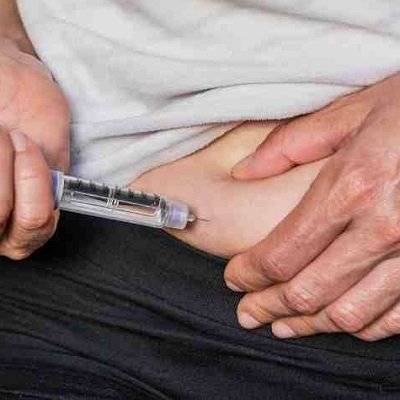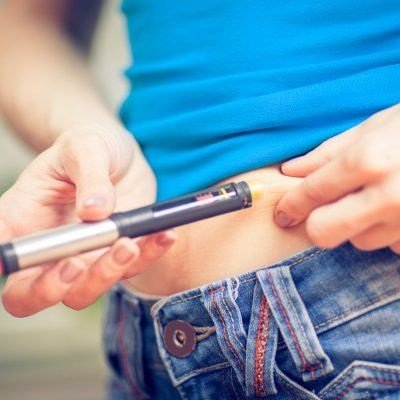
For many people considering Weight Loss Injections, one of the first questions is simple: How quickly will the hunger go away? The answer is more nuanced than a specific number of hours or days. Medications used for medical weight management, including GLP-1 receptor agonists and dual GIP/GLP-1 receptor agonists, can reduce appetite and food intake, but the timing and intensity of the effect vary from person to person.
Some people notice changes in hunger relatively early after starting treatment, while others experience a gradual reduction in appetite as the medication is adjusted over several weeks. The starting dose is commonly lower and increased gradually to improve tolerability, meaning the earliest doses may not produce the full appetite-suppressing effect.
Clinical evidence shows that these medicines can influence appetite, hunger, cravings, fullness, and calorie intake. For example, FDA prescribing information states that semaglutide decreases calorie intake, with the effect likely mediated through appetite, and that it delays gastric emptying. Tirzepatide also decreases calorie intake, with appetite regulation considered an important mechanism.
Understanding how these medicines work can help people develop realistic expectations and recognize when medical advice may be appropriate.
What Are Weight Loss Injections and How Do They Affect Appetite?
Weight Loss Injections are prescription medicines used in appropriate patients as part of a broader weight-management plan. Several commonly discussed medications work through hormones involved in appetite and blood-sugar regulation.
GLP-1 is a naturally occurring hormone that participates in regulating appetite and food intake. Some weight-management medicines mimic or enhance the effects of these hormonal pathways. Tirzepatide works on both GIP and GLP-1 receptors, while semaglutide acts primarily through the GLP-1 receptor.
The appetite-related effects can include:
- Feeling satisfied after eating smaller portions
- Experiencing hunger less frequently
- Having fewer food cravings
- Feeling full for longer
- Thinking less frequently about food
- Naturally reducing overall calorie intake
These effects do not necessarily appear simultaneously. Someone might first notice that meals feel more filling, while another person may notice fewer cravings before experiencing a major change in hunger.
Research involving tirzepatide has found reductions in appetite, food cravings, perceived hunger, and the tendency to overeat, along with lower energy intake.
How Quickly Can Appetite Suppression Begin?
There is no universal timeline for appetite suppression with Weight Loss Injections. Some individuals may notice a difference within the first few days after an injection, while others may require several weeks before the change becomes obvious.
The medication’s pharmacology helps explain why the experience can vary. For example, FDA prescribing information reports that the maximum concentration of subcutaneous semaglutide is generally reached one to three days after administration. Tirzepatide reaches maximum concentration at a median of about 24 hours, although the reported range is broader.
However, reaching maximum concentration does not mean that a person will automatically experience maximum appetite suppression at that point. Weight-management treatments are generally introduced gradually, and the dose may be increased over time according to the prescribed treatment plan.
In a clinical trial of semaglutide for adults with overweight or obesity, participants began with a low weekly dose and increased the dose every four weeks, reaching the target maintenance dose by week 16.
This gradual approach is important because gastrointestinal side effects can occur, particularly when treatment begins or doses increase. Therefore, someone should not assume that a lack of dramatic appetite suppression during the first week means the medication is ineffective.
Why Does It Take Time for Appetite to Change?
The appetite response involves more than simply making the stomach feel full. These medicines interact with physiological systems involved in hunger, satiety, food intake, and blood-glucose regulation.
Semaglutide, for example, can decrease calorie intake and delay gastric emptying. Tirzepatide also delays gastric emptying, although its prescribing information notes that this effect is greatest after the first dose and diminishes over time.
The result can be a combination of physical and behavioral changes.
A person may notice that a previously large meal becomes difficult to finish. Another individual may find that snacks are less appealing or that food cravings are less intense. Over time, these changes can contribute to lower calorie intake.
A 2025 randomized phase 1 study of adults with overweight or obesity found that tirzepatide reduced energy intake compared with placebo by week three. Participants also reported reductions in overall appetite, cravings, perceived hunger, and the tendency to overeat.
This evidence suggests that appetite changes can occur relatively early, but individual experiences remain different.
What Happens During the First Few Weeks?
The first several weeks are often a period of adjustment rather than a time when someone should expect the maximum effect.
During this stage, a person may experience:
Week 1: Some people notice reduced hunger or increased fullness, while others notice little change.
Weeks 2–4: Appetite-related effects may become easier to recognize. Eating smaller portions may begin to feel more natural.
Following dose adjustments: Appetite suppression may become more noticeable, although side effects can also temporarily increase after a dose change.
The exact timeline depends on the medication, dose, individual metabolism, treatment history, eating habits, and tolerance.
It is also important to distinguish appetite suppression from rapid weight loss. A person can experience reduced hunger without seeing a dramatic change on the scale immediately. Body weight naturally fluctuates because of fluid balance, bowel contents, hormones, sodium intake, and other factors.
Long-term clinical trials demonstrate that meaningful weight reduction is generally evaluated over months rather than days. In the STEP 1 trial, adults receiving weekly semaglutide alongside lifestyle intervention were followed for 68 weeks, illustrating that weight-management outcomes are assessed over a sustained treatment period.
Does Stronger Appetite Suppression Mean Better Results?
Not necessarily.
The goal of treatment is not to eliminate hunger completely. Hunger is a normal biological signal, and excessively low food intake can make it difficult to meet nutritional needs.
A useful treatment response may instead involve feeling satisfied with reasonable portions, experiencing fewer disruptive cravings, and finding it easier to maintain an appropriate eating pattern.
Research has shown that both tirzepatide and semaglutide can reduce appetite. In one study involving people with type 2 diabetes, both medications reduced appetite compared with placebo.
The response can also change over time. A person who initially experiences substantial appetite suppression may notice that the sensation becomes less pronounced later. This does not automatically mean that the medication has stopped working.
Because dose adjustments, side effects, other medications, medical conditions, and dietary patterns can all influence treatment, changes in appetite are best discussed with the prescribing healthcare professional rather than handled through self-adjustment.
What If Weight Loss Injections Do Not Reduce Hunger?
A lack of noticeable appetite suppression early in treatment does not necessarily mean that Weight Loss Injections will not work.
Several factors can affect the experience. The individual may still be using an introductory dose, the treatment may not yet have had enough time to produce its intended effect, or the particular medication may not be the best fit for that person.
It is important not to increase the dose independently in an attempt to produce stronger appetite suppression. Prescription weight-management medicines should be used according to the treatment plan provided by a qualified healthcare professional.
A healthcare professional may review:
- The medication and current dose
- How long treatment has been used
- Changes in hunger and portion sizes
- Weight trends
- Physical activity
- Dietary intake
- Gastrointestinal symptoms
- Other medications
- Relevant medical conditions
Some people may respond differently to different treatments, so individualized medical guidance is important.
It is also worth remembering that appetite is only one component of successful weight management. Sleep, stress, physical activity, food quality, muscle preservation, medical conditions, and long-term adherence can all influence outcomes.
How Can Someone Support Healthy Appetite Control During Treatment?
Weight Loss Injections work best as part of a comprehensive weight-management strategy rather than as a substitute for balanced nutrition.
When appetite decreases, meal quality can become particularly important. Smaller meals may provide fewer opportunities to consume essential nutrients, so nutrient-dense foods can help make each meal more valuable.
A balanced approach may include adequate protein, vegetables and fruit, high-fiber foods, whole grains when appropriate, and sufficient fluids. Individual nutritional needs vary, especially for people with diabetes, kidney disease, gastrointestinal conditions, or other health concerns.
Physical activity can also be useful. Resistance training, for example, can help support muscle strength while a person is losing weight. The appropriate exercise program depends on fitness level, age, medical history, and other individual considerations.
People should also pay attention to symptoms such as persistent vomiting, severe abdominal pain, inability to maintain hydration, or other concerning reactions. Prescription medication information contains important safety warnings, and treatment-related concerns should be discussed promptly with a healthcare professional.
Ultimately, the purpose of appetite suppression is not to make eating unpleasant. The intended benefit is to help make appropriate portions and healthier eating patterns more manageable.
Frequently Asked Questions About Weight Loss Injections
1. How fast do Weight Loss Injections suppress appetite?
Some people notice reduced hunger within days, while others may need several weeks. The response depends on the medication, starting dose, individual physiology, and treatment schedule. Early doses are often introduced gradually, so appetite suppression may become more noticeable as treatment progresses.
2. Do Weight Loss Injections stop hunger completely?
No. Effective treatment does not necessarily eliminate hunger. Instead, many people experience reduced hunger, increased fullness, fewer cravings, or greater satisfaction from smaller portions. The intensity of these effects varies between individuals.
3. Why is the dose increased gradually?
Gradual dose escalation can help the body adjust to treatment and may improve tolerability. For example, the semaglutide regimen studied for chronic weight management increased the dose every four weeks rather than beginning immediately at the maintenance dose.
4. What if there is no appetite change after the first injection?
It can be normal not to notice a major difference after the first injection. The initial dose may be intended primarily as an introduction to treatment. A healthcare professional can determine whether the treatment is progressing appropriately and whether any adjustment is needed.
5. Can reduced appetite cause someone to eat too little?
Yes, it is possible for appetite suppression to become strong enough that maintaining adequate nutrition becomes challenging. People using these medicines should prioritize nutritious foods and adequate hydration and discuss persistent difficulty eating with their healthcare professional.
6. Does stronger appetite suppression mean more weight loss?
Not necessarily. Appetite is one mechanism involved in weight management, but weight change depends on multiple factors. Clinical research shows that appetite and energy intake can decrease with these medications, but the relationship between appetite scores, calorie intake, and total weight change is more complex than a simple one-to-one relationship.
Weight Loss Injections can influence appetite relatively early for some people, but there is no single timetable that applies to everyone. The most important consideration is how the medication performs over time at an appropriate dose while maintaining adequate nutrition and minimizing unwanted effects. Clinical evidence supports appetite and calorie-intake reductions with medications such as semaglutide and tirzepatide, but treatment should be individualized and medically supervised.
Read More About Weight Loss Injections: https://linkmate.mn.co/posts/weight-loss-injections-what-are-the-main-benefits