An anti aging serum can be an important part of a simple skincare routine because serums are designed to deliver concentrated ingredients to the skin. As skin matures, natural collagen production gradually decreases, moisture levels can change, and visible lines may become more noticeable. A well-formulated serum can support hydration, improve the appearance of uneven texture, and help skin look smoother and more refreshed when used consistently.
Choosing an anti aging serum is not only about finding the strongest formula. Skin type, ingredients, sensitivity, lifestyle, and daily sun exposure all influence how well a product fits your routine. Ingredients such as hyaluronic acid, vitamin C, peptides, retinol, niacinamide, and antioxidants are commonly used in age-supporting skincare. Understanding their roles can help you build a balanced routine without unnecessarily overwhelming your skin.
Why Skin Changes With Age
Skin naturally changes over time due to both intrinsic aging and environmental factors. Collagen and elastin production can decline, while the skin may become less efficient at retaining moisture. This can make fine lines, rough texture, dullness, and uneven tone more visible. Repeated facial expressions can also contribute to expression lines around the eyes, forehead, and mouth.
External factors can accelerate the appearance of aging. Sun exposure is one of the most important concerns because ultraviolet radiation can contribute to collagen breakdown and visible pigmentation. Pollution, smoking, poor sleep, stress, and inadequate skin hydration may also affect the overall appearance of the complexion. A consistent skincare routine can help support healthier-looking skin over time.
What Makes a Good Wrinkles Serum?
A good wrinkles serum should match your individual skincare needs rather than simply contain as many active ingredients as possible. Hydrating ingredients can help temporarily improve the appearance of fine lines by increasing the skin’s moisture content. Hyaluronic acid is especially popular because it attracts and holds water, helping the skin appear plumper and more hydrated.
Peptides are another common ingredient in age-supporting formulas. They are short chains of amino acids that are widely used in skincare products designed to support the appearance of firmer skin. Antioxidants such as vitamin C can help protect the skin from oxidative stress caused by environmental factors. The right combination depends on your skin type and tolerance.
Key Ingredients to Look For
When selecting an age-supporting serum, focus on ingredients with clear skincare purposes. Retinol is a vitamin A derivative commonly used to improve the appearance of fine lines, uneven texture, and pigmentation. Because it can cause dryness or irritation, beginners should introduce it gradually and follow product instructions carefully.
Vitamin C is another popular choice, particularly for dull or uneven-looking skin. It provides antioxidant support and can help improve the appearance of skin tone with consistent use. Niacinamide can support the skin barrier while helping with uneven tone and excess oil. Hyaluronic acid focuses primarily on hydration, while peptides are commonly included in formulas targeting firmness and smoother-looking skin.
Hydration and the Skin Barrier
Healthy-looking skin begins with a strong moisture barrier. When the barrier becomes compromised, skin may feel tight, dry, rough, or sensitive. Using a hydrating serum can help support a comfortable complexion, especially when combined with a suitable moisturizer. Ingredients such as hyaluronic acid, glycerin, ceramides, and panthenol are commonly found in hydration-focused skincare.
It is important to remember that hydration does not permanently remove wrinkles. However, well-hydrated skin can look smoother because moisture temporarily plumps the outer layers of the skin. This can make fine lines appear less noticeable. For this reason, combining hydration with targeted active ingredients can create a more balanced skincare approach.
How to Use Serum Correctly
Applying serum correctly can make your routine easier and more consistent. Start with clean skin and use a gentle cleanser to remove dirt, oil, makeup, and other surface impurities. Depending on the product, apply a small amount of serum to slightly damp or dry skin according to the manufacturer’s directions.
After applying the serum, allow it to absorb before following with moisturizer. During the morning, sunscreen should be the final essential skincare step. If you are using an active ingredient such as retinol, follow its specific instructions and introduce it gradually. Avoid combining multiple strong actives immediately if your skin is not accustomed to them.
Morning and Evening Skincare Routines
A simple morning routine can include cleanser, antioxidant or hydrating serum, moisturizer, and broad-spectrum sunscreen. Vitamin C is often used during the morning because of its antioxidant properties. Sunscreen remains especially important because UV exposure can contribute to premature visible skin aging.
An evening routine can focus on cleansing, treatment, hydration, and moisturization. Depending on your goals, you might use a retinol-based product, peptide serum, or hydrating formula. Not every active ingredient needs to be used every night. Alternating products can help reduce the risk of irritation while allowing you to maintain a consistent routine.
Choosing a Serum for Your Skin Type
People with dry skin may benefit from formulas that emphasize hydration and barrier support. Look for ingredients such as hyaluronic acid, glycerin, ceramides, and nourishing emollients. These ingredients can help the skin feel softer and more comfortable while reducing the appearance of dryness-related fine lines.
Those with oily or combination skin may prefer lightweight, water-based formulas. Niacinamide can be useful in routines where oil control and uneven tone are concerns. Sensitive skin generally benefits from simpler formulas with fewer potentially irritating active ingredients. Whatever your skin type, patch testing a new product can be a sensible step before applying it broadly.
Common Mistakes to Avoid
One common mistake is using too many active ingredients at the same time. Combining several powerful treatments can increase the likelihood of redness, dryness, peeling, or discomfort. More ingredients do not automatically mean better results. A simple routine that you can follow consistently is often more practical than an overly complicated routine.
Another mistake is expecting immediate transformation. Skincare generally requires consistent use over time. Fine lines, uneven tone, and texture develop gradually, so improvements can also take time. Avoid changing products every few days. Give a suitable routine enough time to assess how your skin responds while following the instructions for each product.
The Importance of Sun Protection
No skincare routine focused on visible aging is complete without sun protection. Ultraviolet exposure can contribute to wrinkles, uneven pigmentation, loss of firmness, and other visible signs of photoaging. Using a broad-spectrum sunscreen regularly can help protect the skin from ongoing UV exposure.
Sunscreen should be used even when your skincare routine already includes antioxidants or other active ingredients. These products serve different purposes. A serum can complement sun protection, but it cannot replace sunscreen. Reapplication is also important when spending extended periods outdoors, particularly after sweating or swimming.
Building a Sustainable Skincare Routine
The best skincare routine is one that fits your lifestyle and is easy to maintain. Start with a gentle cleanser, a suitable treatment serum, moisturizer, and sunscreen. Once your skin is comfortable with these basics, you can gradually introduce additional products based on specific concerns such as pigmentation, dryness, texture, or visible fine lines.
Consistency is more valuable than complexity. Keep track of how your skin responds to new products and avoid introducing several new actives simultaneously. If irritation develops, simplify the routine and allow your skin to recover. People with persistent irritation or significant skin concerns should consider consulting a qualified dermatologist.
Frequently Asked Questions
1. What does an anti-aging serum do?
An anti-aging serum is formulated to target common visible signs of skin aging, including fine lines, dryness, uneven texture, dullness, and uneven-looking skin tone. Results depend on the ingredients, formulation, skin type, and consistency of use.
2. What ingredients are best for fine lines?
Commonly used ingredients include retinol, peptides, vitamin C, hyaluronic acid, and niacinamide. Different ingredients address different concerns, so choosing a formula based on your specific needs is more useful than looking for one universal ingredient.
3. Can a wrinkles serum remove wrinkles?
A serum cannot permanently erase wrinkles. However, certain skincare ingredients may improve the appearance of fine lines, hydration, texture, and firmness when used consistently. Results can vary significantly between individuals.
4. When should I apply serum?
Many serums can be used once or twice daily, depending on their ingredients and product instructions. Antioxidant and hydrating serums are commonly used in the morning, while some treatment products are preferred at night.
5. Should I use sunscreen with an anti-aging routine?
Yes. Daily broad-spectrum sunscreen is an important part of protecting skin from UV exposure, which can contribute to premature visible aging. Serum and sunscreen perform different roles and can be used together.
6. Can beginners use retinol serum?
Beginners can consider retinol, but it is best introduced gradually. Start according to the product’s instructions, avoid excessive use, and pay attention to signs of irritation. Moisturizer and daytime sunscreen can also support a comfortable routine.
Conclusion
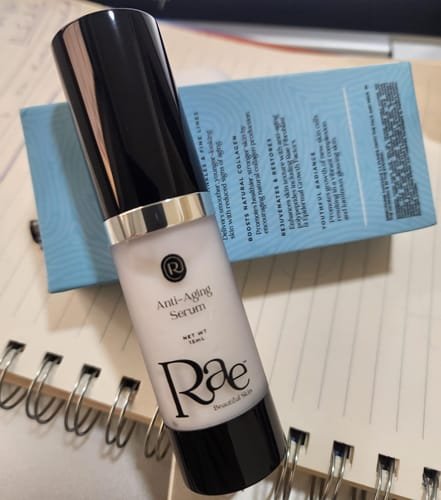
A thoughtful skincare routine can help maintain smoother, hydrated, and healthier-looking skin as it changes with age. Choosing the right ingredients, introducing active products gradually, supporting the skin barrier, and using sunscreen consistently are all important steps. A quality formula from Rae Beautiful Skin can be considered as part of a broader routine focused on hydration, texture, and visible signs of aging.