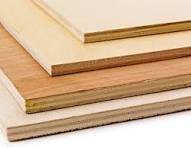
Plywood is an essential material for creating strong, functional, and attractive interiors. It is widely used in modular kitchens, wardrobes, office furniture, storage units, wall panels, doors, and many other applications. Since the quality of plywood can directly influence the durability of the finished product, choosing the right supplier is just as important as selecting the right design. Finding a dependable Plywood supplier in kochi can help homeowners, contractors, builders, and interior designers obtain suitable materials for their projects.
With different plywood grades, thicknesses, brands, and specifications available, buyers need to carefully evaluate their options. A reliable supplier should provide quality materials, transparent information, competitive pricing, and dependable service. Here are some practical factors to consider when searching for the right plywood supplier.
Understand Your Project Requirements
The first step is to understand exactly what you need. Plywood requirements can vary depending on the type of interior project.
For example, kitchen cabinets may require better moisture resistance, while bedroom wardrobes may have different requirements. Office furniture may need materials that can withstand frequent use, while decorative wall panels may focus more on surface quality.
Before contacting a supplier, identify:
- Type of furniture or interior work
- Required plywood thickness
- Expected quantity
- Location of installation
- Moisture exposure
- Approximate budget
Having this information makes it easier to discuss your requirements with the supplier.
Check Different Plywood Grades
Plywood is available in several grades, each designed for specific applications. Understanding these grades can help you avoid selecting unsuitable materials.
MR plywood is commonly used for general interior applications where moisture exposure is limited. BWR plywood provides better resistance to moisture and can be considered for areas where occasional water exposure is expected. BWP plywood offers a higher level of water resistance and can be useful in moisture-prone applications.
Marine-grade plywood is generally selected for demanding environments where enhanced resistance to water is required.
A knowledgeable supplier should explain these differences and recommend a suitable option based on your project’s needs.
Inspect the Quality of the Plywood
Visual inspection can help identify obvious quality issues before purchasing. Look at the edges and surfaces of the plywood carefully.
Check for:
- Uneven thickness
- Visible gaps in the core
- Cracks or splits
- Poorly bonded layers
- Warping
- Surface defects
- Signs of delamination
While visual inspection cannot determine every aspect of plywood quality, it can help identify obvious problems.
You should also ask the supplier about the product’s specifications and manufacturing standards.
Verify Certifications and Standards
Quality certifications can provide additional assurance when buying plywood. Depending on the intended application, customers can look for products that comply with relevant Indian standards.
For specific applications, appropriately certified plywood can provide greater confidence in its manufacturing quality and performance characteristics.
Always check product markings and documentation where applicable. A trustworthy supplier should be willing to provide clear information about certifications rather than making vague claims.
Compare Product Range
A supplier with a wide product range can make the purchasing process more convenient. Instead of searching for different materials from multiple sources, you can compare suitable plywood options in one place.
Look for suppliers who offer different grades, thicknesses, and types of plywood. A diverse product range can be particularly useful for large interior projects where different furniture components may require different specifications.
It also gives you more flexibility to balance quality and budget.
Consider Pricing and Overall Value
Price is an important part of any construction or interior project, but it should not be the only factor influencing your decision.
Very inexpensive plywood may appear attractive initially but could result in higher costs if it fails prematurely or requires replacement. Instead, compare the overall value offered by different suppliers.
Consider:
- Product quality
- Plywood grade
- Thickness
- Certification
- Durability
- Availability
- Delivery service
- Customer support
The best supplier is not necessarily the one with the lowest price but the one offering suitable quality at a reasonable overall value.
Check Availability and Delivery
A reliable supply chain is important for keeping interior projects on schedule. Delayed plywood deliveries can affect furniture manufacturing and installation.
Before placing an order, confirm whether the required products are currently available and ask about delivery timelines. For larger projects, make sure the supplier can provide the required quantity consistently.
This is especially important for contractors and interior designers working with strict deadlines.
Look for Experienced Professionals
Experience can be valuable when selecting construction materials. An experienced plywood supplier is likely to have a better understanding of different grades, applications, and customer requirements.
They should be able to answer questions such as:
- Which plywood is suitable for kitchen cabinets?
- What thickness is appropriate for wardrobes?
- Which grade is better for moisture-prone areas?
- What plywood is suitable for heavy-use furniture?
Professional guidance can make the selection process easier and help prevent costly mistakes.
Consider Local Climate Conditions
Kerala’s humid climate makes moisture resistance an important consideration for many interior applications. Areas such as kitchens, utility rooms, and other moisture-prone spaces may require plywood with suitable moisture-resistant properties.
Choosing a supplier familiar with the local climate can be beneficial because they may better understand the common challenges faced by homeowners and contractors in the region.
Customers searching for a Plywood supplier in Kochi should similarly consider whether the supplier can recommend products suitable for local environmental conditions.
Evaluate Customer Service
Good customer service is another sign of a dependable supplier. From the initial enquiry to final delivery, the supplier should communicate clearly about product specifications, pricing, stock, and delivery.
A professional supplier should also be willing to answer questions and help customers understand their options. This is particularly important for homeowners who may not have technical knowledge about plywood.
Reliable communication can make the entire purchasing process smoother and more convenient.
Build a Long-Term Supplier Relationship
If you regularly work on construction or interior projects, developing a relationship with a reliable supplier can provide long-term benefits. Consistent product quality, dependable availability, and professional service can make future purchases easier.
Contractors, builders, and interior designers can benefit from having a supplier they can trust for repeated requirements. Homeowners may also benefit when undertaking renovation or additional furniture work in the future.
Finding the best plywood supplier requires careful consideration of more than price. Buyers should evaluate product quality, plywood grades, certifications, thickness, availability, pricing, delivery, experience, and customer service before making a decision.
A dependable supplier should understand your project requirements and help you select materials that provide the right combination of strength, durability, moisture resistance, and value.
Whether you are planning a residential renovation, a new home interior, or a commercial project, choosing the right Plywood supplier in ernakulam can make a meaningful difference to the quality and longevity of the finished interiors.