

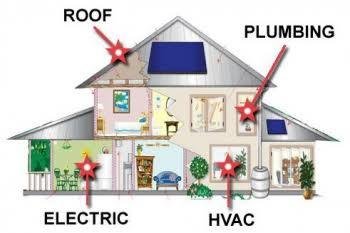
Getting homeowners insurance for an older property in Florida can involve more than completing an application. Insurance companies often request a four-point inspection to evaluate the condition of four essential home systems: the roof, electrical, plumbing, and heating and cooling equipment. These systems can influence a property’s risk profile, making their condition especially important during the insurance process.
For homeowners, preparation can make the experience less stressful. Identifying visible maintenance concerns, organizing repair records, and understanding what inspectors evaluate can help prevent avoidable surprises. Whether you are purchasing an older property, renewing coverage, or changing insurance providers, knowing how to pass a 4-point home inspection can help you approach the evaluation with confidence.
1. Understand What a Four-Point Inspection Covers
A four-point inspection is a focused assessment rather than a complete evaluation of every part of a home. Its primary purpose is to document the observable condition of four major systems.
- Roofing: Roof covering, visible damage, signs of leakage, and general condition.
- Electrical: Electrical panel, wiring types, visible connections, and potential safety concerns.
- Plumbing: Accessible supply lines, plumbing materials, fixtures, water heater, and visible leaks.
- HVAC: Heating and cooling equipment, general operation, and observable condition.
Insurance companies may have different requirements regarding acceptable materials, system ages, and documentation. Homeowners should confirm the specific inspection requirements with their insurance agent before scheduling an appointment.
2. Evaluate the Roof’s Current Condition
Florida’s climate exposes roofs to intense sunlight, heavy rainfall, humidity, and tropical storms. Over time, these conditions can contribute to damaged shingles, deteriorating flashing, loose roofing materials, and water intrusion.
Before the inspection, look for visible signs of damage from safe locations. Check ceilings for water stains and examine accessible attic areas for moisture indicators or other signs of leakage.
If the roof has been repaired or replaced, collect available invoices, permits, installation records, and contractor information. Documentation can help establish the roof’s maintenance history and age.
Avoid climbing onto the roof without proper training and safety equipment. A qualified roofing contractor should evaluate concerns requiring a closer examination.
3. Review Electrical Components for Safety Concerns
Electrical conditions are an important part of the assessment because damaged or improperly modified systems may present safety risks.
Look for obvious warning signs such as exposed wiring, damaged outlet covers, loose switches, burning odors, and frequently tripping breakers. Keep the electrical panel accessible and gather documentation for previous upgrades.
If your home has older wiring or electrical equipment, do not assume that age alone determines whether it will be accepted. The insurer may consider the specific materials, installation, condition, and applicable underwriting guidelines.
A licensed electrician should handle suspected electrical hazards, panel concerns, and necessary repairs. Homeowners should never attempt to modify electrical panels or wiring themselves.
4. Inspect Accessible Plumbing Areas
Water damage can create expensive problems when leaks remain unnoticed. Plumbing evaluation may include accessible pipes, visible connections, fixtures, drainage components, and the water heater.
Check beneath kitchen and bathroom sinks, around toilets, and near accessible water lines. Look for corrosion, dripping connections, moisture stains, damaged materials, and signs of previous repairs.
Pay attention to recurring slow drains and unexplained changes in water pressure. These symptoms may require further investigation by a licensed plumber.
If plumbing components have been replaced or repaired, keep the relevant invoices and documentation. Accurate records can help clarify the system’s history.
5. Make Sure the HVAC System Is Maintained
Air conditioning is essential for comfortable living in Central Florida. A poorly maintained system may develop drainage problems, restricted airflow, or inconsistent cooling.
Replace dirty air filters, check normal thermostat operation, and make sure accessible equipment areas are not blocked. Look for visible water around the indoor unit, unusual operating noises, and signs of damaged insulation on accessible components.
If the system struggles to maintain temperatures or shuts down unexpectedly, arrange an evaluation by a qualified HVAC technician. Keep maintenance records and documentation of major equipment replacements.
6. Organize Important Repair and Maintenance Records
Good documentation helps homeowners provide useful information about the property’s major systems.
Prepare a folder containing:
- Roof replacement and repair records.
- Electrical upgrade invoices and permits.
- Plumbing repair documentation.
- HVAC maintenance and installation records.
- Water heater replacement information.
- Previous inspection reports.
- Records of storm-related repairs.
These documents may help establish the history of the property’s systems. However, they do not replace an inspector’s observations or guarantee that an insurance company will accept a particular component.
7. Prepare the Property for Easy Inspection Access
Inspectors need access to the areas and components included in the evaluation. Clutter around an electrical panel, blocked utility closets, or inaccessible water heaters can make the process more difficult.
Before the appointment, clear the areas surrounding important equipment. Make attic access available when applicable and ensure the inspector can safely reach relevant locations.
Where appropriate, make sure normal utilities are functioning so that systems can be evaluated according to the inspection scope.
8. Address Problems Before the Appointment
One of the most practical preparation steps is resolving known maintenance concerns before the inspection.
For example, a visible plumbing leak should be evaluated and repaired by a qualified professional. Damaged electrical components should receive appropriate attention, while roof concerns may require a licensed roofing contractor.
Keep photographs and invoices showing completed work. If a problem requires further evaluation rather than immediate repair, obtain professional advice instead of attempting an unqualified fix.
Avoid covering damage or hiding known defects. Accurate information helps everyone understand the property’s condition.
9. Know What Happens If the Report Identifies Deficiencies
An inspection report documents the inspector’s observations, but insurance approval is ultimately determined by the insurance company under its own underwriting requirements.
If the report identifies concerns, review each finding carefully. Ask the inspector for clarification where needed and consult the appropriate contractor for repair recommendations.
After work is completed, retain supporting documents such as invoices, permits, and photographs. Your insurance provider may request an updated inspection or additional evidence before making a coverage decision.
10. Schedule the Inspection Early
Waiting until an insurance deadline approaches can leave little time to arrange repairs or obtain additional documentation.
Contact your insurance agent before scheduling to confirm the required inspection form, accepted inspector qualifications, submission deadline, and any specific property requirements.
Early preparation gives homeowners more flexibility and makes it easier to address unexpected findings without unnecessary pressure.
Make Your Four-Point Inspection Preparation Easier
Understanding how to pass a 4-point home inspection begins with maintaining the four major systems that insurers commonly evaluate. A properly maintained roof, safe electrical components, functional plumbing, and regularly serviced HVAC equipment can help homeowners prepare for a more informed insurance evaluation.
For homeowners in Central Florida, professional guidance can provide a clearer understanding of visible property conditions. Full Circle Home Inspectors offers inspection services to help property owners make informed decisions about their homes.
Visit Full Circle Home Inspectors to explore available inspection services and learn more about preparing your property for important evaluations.
Taking care of maintenance concerns, keeping accurate records, and scheduling an inspection early are practical steps toward managing your property’s long-term condition.