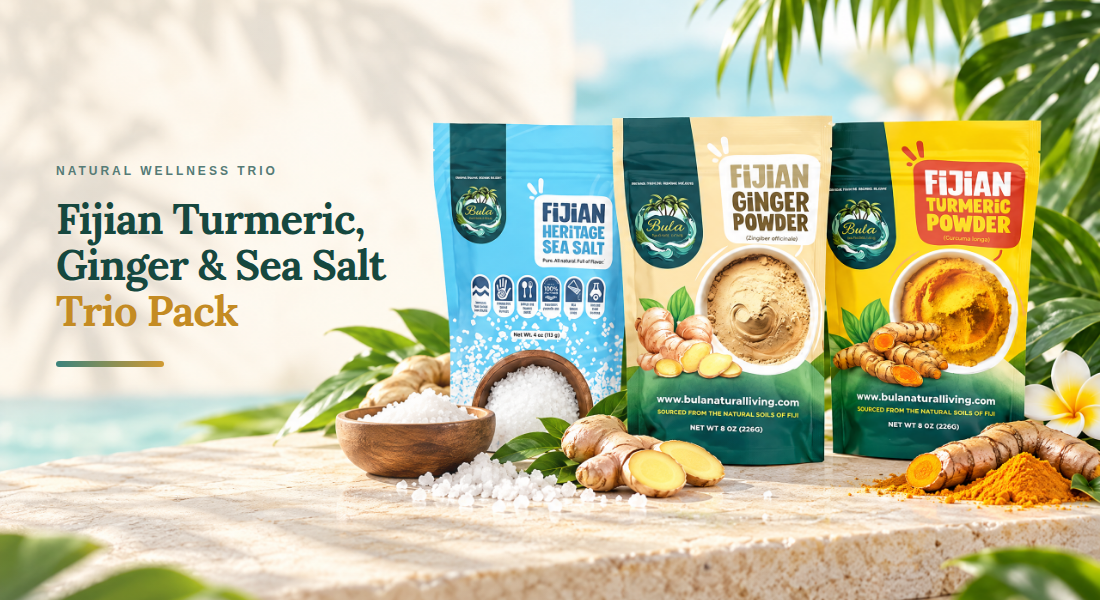
Preparing meals at home becomes easier when the kitchen has a reliable selection of everyday ingredients. A well-organized pantry helps reduce preparation time, makes grocery shopping more manageable, and gives home cooks more flexibility when planning meals. A kitchen essentials trio featuring ginger powder, turmeric powder, and sea salt can be a practical starting point for organizing ingredients used in a variety of recipes.
Rather than filling cupboards with products that rarely get used, focus on versatile staples that suit your cooking habits and can be incorporated into different dishes.
1. Start With Ingredients You Use Regularly
The first step toward an organized kitchen is identifying the ingredients you use most often. These may include cooking oils, grains, beans, dried herbs, spices, and basic seasonings.
Think about the meals you prepare throughout the week. If you regularly make soups, curries, rice dishes, or roasted vegetables, keeping the relevant ingredients within easy reach can make cooking more efficient.
Avoid purchasing large quantities of unfamiliar products before deciding how you will use them. A smaller collection of frequently used staples is often easier to organize and maintain than an overcrowded pantry.
2. Give Spices a Dedicated Storage Area
Spices can become difficult to manage when they are scattered across several cupboards and drawers. Designating one shelf, rack, or drawer for seasonings helps you see what is available before beginning a recipe.
Store spices in clean, dry, tightly sealed containers. Keep them away from excessive heat, moisture, and direct sunlight to help preserve their quality.
Clear labels are useful, particularly when several powders have similar appearances. Adding the purchase or opening date can also help you keep track of freshness.
Arrange the spices according to how you cook. Frequently used seasonings can stay near your preparation area, while ingredients reserved for occasional recipes can be stored elsewhere.
3. Understand the Role of Ginger Powder
Ginger powder is a convenient pantry ingredient made from dried ginger. It has a warm, distinctive flavor and can be used in both savory and sweet recipes.
In everyday cooking, ginger powder may be added to soups, marinades, curries, sauces, and spice blends. Small amounts can also complement baked goods and certain warm beverages.
Because powdered ginger is concentrated in flavor, begin with the amount recommended by your recipe and adjust according to taste. Store it in an airtight container and use a dry spoon to prevent moisture from entering the package.
Keeping ginger powder available can make it easier to prepare familiar recipes without peeling and grating fresh ginger every time.
4. Make Turmeric Powder Part of Your Cooking Routine
Turmeric powder is widely used in South Asian and other cuisines. Its earthy flavor and golden color make it a familiar ingredient in curries, lentil dishes, rice, soups, and vegetable preparations.
A dedicated place for turmeric helps prevent spills and makes it easier to access during meal preparation. Since turmeric can stain clothing, utensils, and countertops, handle it carefully and wipe up spills promptly.
You do not need to use turmeric in every meal. Instead, keep it available for recipes where its flavor and color complement the other ingredients.
When using a new recipe, follow its suggested quantity first. Too much turmeric can create a strong, earthy taste that may overpower more delicate flavors.
5. Use Sea Salt Thoughtfully
Salt is a basic seasoning that can influence the overall flavor of a dish. Sea salt is produced from evaporated seawater, and its texture and crystal size vary by product.
Different salt crystals can measure differently by volume, so a teaspoon of coarse salt may not provide the same amount of salt as a teaspoon of fine salt. When precision matters, follow the recipe’s instructions and pay attention to the type of salt specified.
Store sea salt in a dry, sealed container to protect it from moisture. Keep a small amount accessible for cooking and refill it from the main container when needed.
Salt intake also matters for overall health. Use it thoughtfully, particularly when cooking for people who need to limit sodium, and remember that packaged sauces, stocks, and seasonings may already contain salt.
6. Combine Essential Ingredients in Everyday Recipes
A practical kitchen setup should make ingredients easy to use together. Ginger powder, turmeric powder, and sea salt can each contribute to different types of meals.
For example, ginger and turmeric may be used together in a vegetable curry, while sea salt helps season the dish. Ginger can also add warmth to marinades, and turmeric may provide color to rice or lentil recipes.
These ingredients do not need to be combined every time. Their usefulness comes from the different roles they play across a range of dishes.
A simple weekly meal plan can help you identify which staples deserve a permanent place in your pantry and which ingredients you only need occasionally.
7. Plan Grocery Shopping Around Your Pantry
A quick pantry check before shopping can reduce duplicate purchases and food waste. Keep a written list or a digital note of ingredients that are running low.
You can organize your list into categories such as spices, grains, canned goods, fresh produce, and cooking essentials. This makes it easier to shop efficiently and remember ingredients for planned meals.
Check package dates and storage conditions before buying replacements. Purchasing an additional container of a spice you already have may be unnecessary if the existing supply is still suitable for use.
A weekly review also provides an opportunity to clean shelves, remove spills, and reorganize ingredients according to how often you use them.
8. Choose a Practical Kitchen Essentials Trio
When selecting a group of everyday ingredients, prioritize usefulness, storage, and your preferred cooking style. A trio is most practical when its components serve different purposes and work with meals you regularly prepare.
Bula Natural Living’s Best Seller Wellness Trio combines Fijian Ginger Powder, Fijian Turmeric Powder, and Fijian Heritage Sea Salt. These ingredients can be considered for a pantry focused on versatile seasonings, provided they suit your recipes and dietary preferences.
Before purchasing, review the product details, package sizes, ingredient information, and storage instructions. Buying a set can be convenient, but the value depends on whether you will use all three ingredients regularly.
For more product information, visit Bula Natural Living and review the available ingredient and product details.
Final Thoughts
Organizing everyday cooking starts with choosing useful ingredients, storing them properly, and planning meals around the foods you enjoy. Ginger powder, turmeric powder, and sea salt each have a place in many kitchens, but their value depends on how they fit into your cooking habits. A well-maintained pantry can make meal preparation simpler, help limit waste, and give you more confidence when preparing everyday dishes.
FAQs About Kitchen Essentials
1. What ingredients should every kitchen have?
Useful staples depend on your cooking style, but many households keep cooking oil, salt, common spices, grains, and ingredients for their most frequently prepared meals.
2. How should ginger and turmeric powders be stored?
Keep both powders in tightly sealed containers in a cool, dry place away from direct sunlight and moisture.
3. Can ginger powder and turmeric powder be used together?
Yes. They are often combined in curries, soups, marinades, and other recipes. Adjust the amounts to suit the dish and your taste.
4. Is sea salt different from regular table salt?
Sea salt is produced by evaporating seawater, while table salt is generally more processed. Their texture and crystal size can vary, but both contribute sodium to the diet.
5. How can I avoid buying too many kitchen ingredients?
Plan meals before shopping, check existing supplies, maintain a grocery list, and prioritize ingredients you use regularly instead of purchasing products without a clear purpose.