Recovery is the training phase that most athletes and fitness enthusiasts underestimate. What happens to muscles between sessions determines how effectively they grow and repair. Adequate recovery reduces cumulative injury risk and sustains long-term athletic performance. Many athletes train intensely but dedicate insufficient attention to structured recovery. This imbalance limits progress and makes overuse injuries far more likely over time. Vibration therapy has emerged as one of the most effective recovery tools in modern fitness. It is used by elite athletes, recreational gym-goers, and rehabilitation patients equally. This article explores how vibration therapy devices improve muscle recovery at every performance level.
Understanding Muscle Damage and the Recovery Cycle
Exercise, particularly resistance training, causes controlled micro-damage to muscle fibers. This micro-damage is necessary for muscle adaptation and strength development to occur. During recovery, the body repairs damaged fibers and synthesizes new contractile proteins. This process results in stronger and larger muscles over time with consistent training. However, if damage exceeds the body’s repair capacity, overtraining and injury result. The recovery process involves several distinct and sequential biological phases. The inflammatory phase begins immediately after exercise and peaks within 24 hours. Proliferative repair follows, with new protein synthesis and structural fiber reconstruction. The remodeling phase completes the process, producing stronger tissue than previously existed. Supporting each phase with appropriate recovery interventions accelerates the overall repair timeline.
Delayed Onset Muscle Soreness and Training Limitation
Delayed onset muscle soreness (DOMS) is familiar to most physically active individuals. It typically begins 12 to 24 hours after unaccustomed or particularly intense exercise. Pain peaks between 24 and 72 hours and resolves gradually over several days. DOMS results primarily from eccentric muscle contractions that stress contractile components. Micro-tears in the sarcomere — the basic unit of muscular contraction — cause localized inflammation. This inflammation triggers swelling, neural sensitization, and temporary force production reduction. Severe DOMS limits training frequency and session quality significantly over subsequent days. It also reduces psychological motivation and readiness for the next scheduled training session. Effective recovery strategies that reduce DOMS intensity and duration have real practical training value. Vibration therapy is among the most evidence-supported approaches available for DOMS management.
How Vibration Therapy Accelerates Muscle Recovery Processes
Vibration therapy accelerates muscle recovery through several well-studied physiological mechanisms. Local blood flow increases significantly during vibration application to treated muscles. This enhanced circulation delivers more oxygen and nutrients to recovering muscle fiber structures. Metabolic waste products like lactate and inflammatory cytokines are cleared more efficiently. Lymphatic drainage, which removes cellular debris and inflammatory fluid, is also stimulated. This creates a cleaner, better-nourished tissue environment for all ongoing repair processes. Vibration also reduces persistent muscle tone and tension that accumulates after intense exercise. Hypertonicity — the persistent, partial contraction of fatigued muscle fibers — slows tissue recovery. Vibration relaxes these fibers, reducing residual discomfort and improving tissue pliability. More pliable, well-supplied tissue repairs faster and faces lower injury risk during subsequent training.
Specific Benefits of Vibration Devices for Athletic Populations
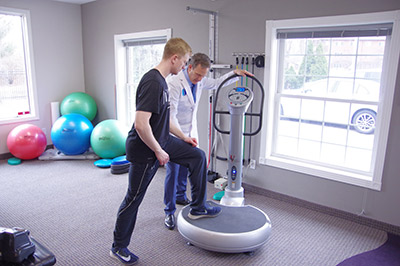
Elite athletes demand rapid muscle recovery to maintain high-volume training schedules. Vibration devices are now standard equipment in many professional sports recovery facilities. Many sports teams include vibration platforms in their dedicated post-training recovery areas. Individual athletes use handheld percussive devices on specific muscles after each session. These devices allow precisely targeted recovery for the muscles most stressed during each training type. Sprinters focus recovery sessions on quadriceps and hamstrings after high-intensity track work. Swimmers apply vibration tools to shoulder and upper back musculature after pool sessions. Cyclists target hip flexors and quadriceps for effective post-ride muscular recovery. The precision of targeted vibration devices is a significant practical advantage for athletic recovery. They can be deployed where the body most needs therapeutic support after each session.
A vibration therapy device designed for muscle recovery has adjustable amplitude and frequency controls for customization. Different settings suit different stages of the post-exercise recovery process optimally. Lower frequencies are generally preferred for relaxation and early post-exercise tissue soreness management. Higher frequencies may be appropriate for neuromuscular activation purposes before subsequent sessions. Understanding device parameters allows users to optimize recovery protocols for their specific training demands. Guidance from a physiotherapist or sports scientist ensures correct protocol selection and application.
Vibration Therapy in Rehabilitation and Injury Recovery
Vibration therapy is widely used in clinical rehabilitation settings for injury management. Muscle atrophy during post-surgical or injury-related immobilization is a major rehabilitation challenge. When a limb is immobilized, muscle mass and neural activation decline rapidly. Vibration therapy can maintain neuromuscular activity even when full active movement is restricted. Healing tendons and ligaments respond positively to controlled vibration stimulation over time. Mechanical signals from vibration promote collagen synthesis and structural tissue remodeling. Joint mobility exercises combined with vibration produce better rehabilitation outcomes than exercise alone. Patients recovering from knee, hip, and shoulder surgeries frequently incorporate vibration in their recovery. Clinical physiotherapists routinely incorporate vibration platforms into post-surgical rehabilitation programs. This use confirms vibration’s clinical value extends well beyond athletic performance into formal medical care.
The Neurological Dimension of Vibration-Assisted Recovery
The nervous system plays an essential role in both exercise performance and post-training recovery. After intense training sessions, the nervous system experiences significant cumulative fatigue. Central nervous system fatigue impairs the quality and intensity of subsequent training sessions. Peripheral nerve fatigue reduces the precision of muscle activation patterns during movement. Vibration therapy supports nervous system recovery through several specific pathways. The tonic vibration reflex trains and resets motor patterns through repeated, rhythmic activation. Parasympathetic nervous system activation occurs naturally during gentle vibration therapy sessions. This autonomic shift toward a recovery-dominant neural state supports whole-body restoration. Improved neuromuscular efficiency after recovery sessions translates into higher training performance quality. Neurological recovery benefits of vibration therapy are increasingly recognized in sports science research.
Mental Recovery and the Psychological Benefits of Vibration
Physical recovery cannot be fully separated from its mental and psychological dimension. Intense training creates psychological stress alongside its significant physiological demands. The relaxation response induced by vibration therapy has genuinely valuable psychological effects. Post-exercise vibration sessions are described by many athletes as profoundly and deeply relaxing. This experience reduces the psychological tension that accumulates with heavy and sustained training loads. Better mental recovery supports improved motivation and long-term training consistency. Athletes who manage psychological recovery deliberately achieve better performance outcomes over time. The calming influence of vibration on the autonomic nervous system supports both mental and physical recovery. Incorporating vibration into post-training rituals creates a positive psychological anchor in the recovery routine.
Practical Protocols for Using Vibration Devices for Recovery
Effective muscle recovery using vibration therapy requires a thoughtful and structured protocol. Post-workout whole-body vibration sessions should begin ten to fifteen minutes after completing training. Starting with lower frequency settings reduces the risk of overstimulating fatigued tissue immediately. Sessions of ten to twenty minutes produce meaningful recovery benefits without causing overstimulation. Handheld percussive vibration tools should be applied in slow, deliberate passes over muscle bellies. Thirty to sixty seconds per major muscle group is generally sufficient for effective treatment. Avoid applying percussive tools directly over bony prominences or acutely tender areas. Post-recovery stretching after vibration sessions enhances flexibility and relaxation outcomes further. Keeping a recovery training log helps identify patterns and optimize future session protocols. Consistent application of these protocols maximizes cumulative recovery benefit over extended training periods.
Nutrition That Amplifies Vibration Therapy Recovery Outcomes
Recovery nutrition powerfully amplifies every benefit provided by vibration therapy. Protein consumed within one to two hours after training maximizes muscle protein synthesis rates. Twenty to forty grams of high-quality protein per post-workout meal is the standard recommendation. Carbohydrates replenish glycogen stores depleted during intense exercise sessions efficiently. Omega-3 fatty acids are particularly effective at reducing exercise-induced systemic inflammation. Tart cherry juice has strong research support for reducing DOMS in trained athletes specifically. Anti-inflammatory foods and spices complement all mechanical and therapeutic recovery approaches. Magnesium supports muscle relaxation and nerve function throughout the entire recovery phase. Staying well-hydrated before and after vibration sessions maintains optimal cellular recovery conditions. Combining targeted recovery nutrition with vibration therapy creates a comprehensive and powerful recovery system.
Conclusion
Muscle recovery is the true foundation of sustained athletic performance and long-term physical health. Vibration therapy devices address recovery at circulatory, muscular, neural, and psychological levels simultaneously. Their ability to reduce DOMS, clear metabolic waste, and relax hypertonic tissue is well-established clinically. Elite athletes, recreational exercisers, and rehabilitation patients all benefit from consistent and properly applied vibration use. Choosing the right device and appropriate protocol for specific recovery goals determines therapeutic effectiveness. Combining vibration therapy with optimized recovery nutrition creates a powerful and comprehensive system. The growing body of clinical and sports science evidence continues to validate vibration therapy’s recovery value. Investing in a structured vibration recovery protocol is one of the most impactful decisions any active individual can make.