A comfortable indoor environment depends on a heating and cooling system that works properly throughout the year. During warm weather, air conditioning helps maintain pleasant temperatures, while heating equipment provides warmth when outdoor conditions become cold. These systems also support air circulation and ventilation inside homes and commercial buildings. Over time, dust, worn components, and airflow problems can affect their performance. HVAC Services cover different needs, including installation, repairs, maintenance, and system inspections. Understanding these services can help property owners keep their equipment in good condition and maintain comfortable indoor spaces.
Understanding Heating and Cooling Systems
HVAC stands for heating, ventilation, and air conditioning. A typical system may include an air conditioner, furnace, heat pump, thermostat, air filters, ductwork, and ventilation equipment. Each component has a specific function. Heating and cooling equipment adjusts indoor temperatures, while ductwork and vents distribute conditioned air throughout the building. The thermostat controls when the system operates based on the selected temperature.
Different properties have different heating and cooling requirements. A small residential home may use a central air conditioning system, while a larger commercial building may require several units or a more advanced ventilation setup. Building size, insulation, windows, occupancy, and local climate all influence equipment selection. Understanding these factors helps property owners choose suitable equipment and avoid problems caused by an incorrectly sized system.
Professional HVAC Installation
Installing a heating or cooling system requires careful planning and technical knowledge. Before selecting equipment, the property’s square footage, insulation, ceiling height, windows, and existing ductwork should be evaluated. These details help determine the capacity required to maintain comfortable temperatures. HVAC Services in Las Vegas may include installing central air conditioners, heat pumps, furnaces, ductless systems, thermostats, and related components.
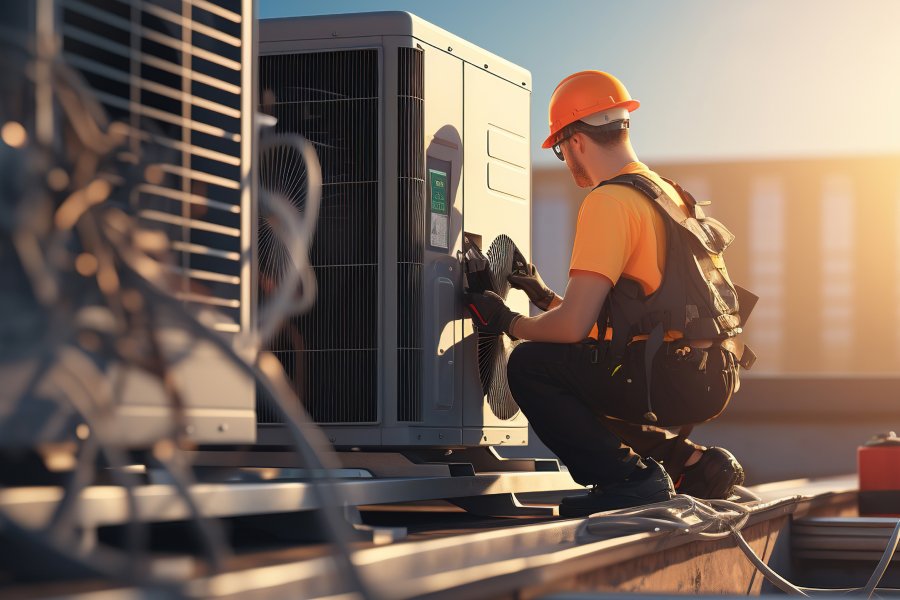
The installation process may involve removing old equipment, preparing the installation area, connecting electrical components, inspecting refrigerant lines, and checking drainage and ventilation. Proper airflow and thermostat setup are also important. Once the installation is complete, the equipment should be tested to confirm that it starts correctly and distributes conditioned air as expected. Following manufacturer instructions and applicable safety requirements helps support reliable operation.
HVAC Repair and Troubleshooting
Heating and cooling equipment can develop problems after years of regular use. Common warning signs include weak airflow, unusual noises, water leaks, inconsistent temperatures, and frequent system shutdowns. These issues may result from dirty filters, blocked vents, damaged motors, thermostat faults, or electrical problems. Professional HVAC Services can help identify the cause of these issues and determine which repairs are necessary.
It is important to address unusual system behavior instead of allowing equipment to continue operating with a possible fault. A unit that runs constantly or struggles to reach the selected temperature may need inspection. Early diagnosis can sometimes prevent a minor issue from causing further damage. Homeowners should avoid attempting complex electrical, gas, or refrigerant repairs without proper training and equipment.
Importance of Routine HVAC Maintenance
Regular maintenance helps keep heating and cooling equipment in good working condition. Air filters should be checked and replaced according to the manufacturer’s recommendations and household conditions. Dirty filters can restrict airflow and allow dust to collect inside the system. Outdoor units should remain clear of leaves, dirt, and other debris, while indoor vents and return-air openings should not be blocked by furniture or curtains.
Professional maintenance may include checking electrical connections, testing thermostat controls, inspecting moving parts, cleaning accessible components, and examining drainage systems. Technicians can also look for signs of wear that may lead to future equipment problems. Scheduling inspections before periods of heavy heating or cooling use gives property owners time to address concerns and reduce the chance of unexpected breakdowns.
Improving Indoor Air Quality and Energy Efficiency
Heating and cooling systems do more than control indoor temperatures. Filtration and ventilation also influence the movement and condition of indoor air. Dust, pet hair, and other airborne particles can collect in filters and circulate through indoor spaces. Using suitable filters and replacing them when needed can help manage these particles. Proper ventilation also supports air circulation and helps prevent stale air from building up inside a property.
Energy efficiency depends on equipment condition, system size, insulation, and airflow. Leaking ducts, poor insulation, and gaps around windows and doors can increase heating and cooling demands. An inspection can identify areas where improvements may be useful. Programmable thermostats, properly sized equipment, and sealed ductwork can help manage energy use. Actual savings depend on equipment efficiency, weather conditions, energy prices, and daily usage habits.
Choosing the Right HVAC Professional
Selecting a suitable service provider is an important part of maintaining heating and cooling equipment. Property owners should review relevant qualifications, experience, service details, and familiarity with the equipment being installed or repaired. Before approving major work, it is useful to request an explanation of the problem, recommended solution, estimated cost, and warranty information. Comparing written estimates can also help homeowners understand differences in equipment and installation requirements.
A heating and cooling system needs proper installation, regular inspections, and timely repairs to perform well. Paying attention to weak airflow, unusual sounds, rising energy bills, and inconsistent temperatures can help property owners recognize when attention is needed. With suitable equipment and regular care, HVAC Services can support indoor comfort, improve system performance, and reduce avoidable equipment problems. Understanding basic maintenance requirements also helps homeowners and businesses care for their heating and cooling systems throughout the year.