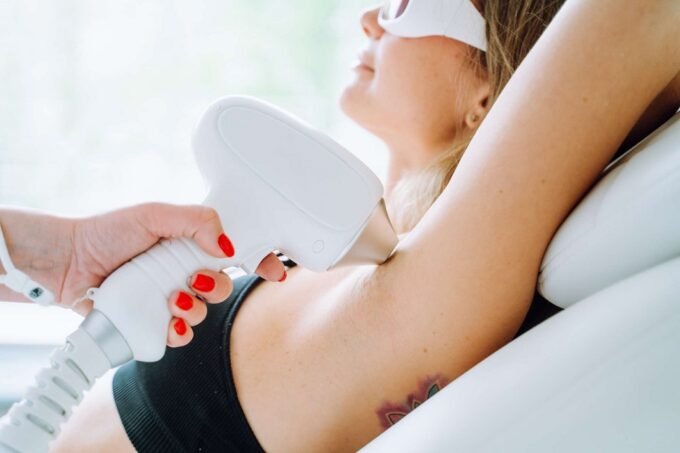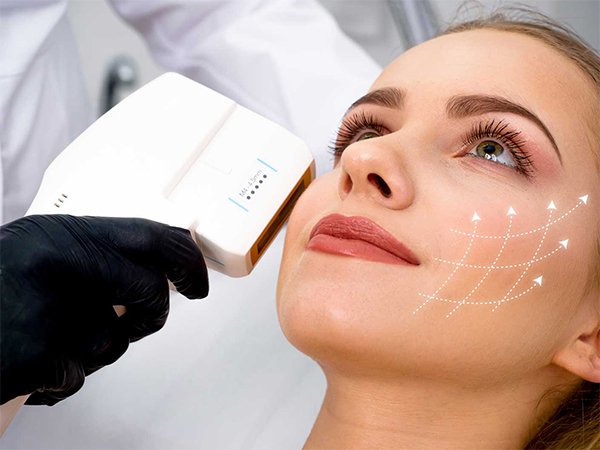
HIFU Treatment generally involves minimal downtime, allowing many patients to return to their usual daily activities shortly after the procedure. HIFU, or High-Intensity Focused Ultrasound, is a non-invasive treatment that delivers focused ultrasound energy beneath the skin to stimulate collagen remodelling and improve the appearance of mild skin laxity. People considering علاج الـهايفو في دبي can learn about the expected recovery process, possible side effects, and aftercare requirements before deciding whether the treatment suits their needs. Although an extended recovery period is not usually required, individual experiences vary according to skin sensitivity, treatment intensity, and the area treated.
How Much Downtime Is Needed After HIFU Treatment?
Most patients do not need to take significant time off work or their usual routine after HIFU Treatment. Since the procedure does not involve surgical incisions, recovery is generally less extensive than after traditional cosmetic surgery.
Some people may experience temporary redness, tenderness, swelling, tingling, or discomfort. These effects may settle relatively quickly, although sensitivity or other symptoms can sometimes persist longer.
The amount of downtime depends on the device, treatment settings, treated area, and individual response. Patients should follow the practitioner’s instructions and ask when it is appropriate to resume specific activities.
What Side Effects Can Occur After HIFU Treatment?
Although HIFU is non-invasive, temporary side effects can occur as the skin and underlying tissues respond to the ultrasound energy.
Redness and Mild Swelling:
The treated area may appear slightly red or swollen immediately after the session. These effects are often temporary, but their duration varies between individuals.
Tenderness or Discomfort:
Some patients experience tenderness, sensitivity, or discomfort in the treated area. These sensations may settle gradually after the procedure.
Tingling or Temporary Changes in Sensation:
Some individuals may notice tingling or temporary changes in sensation. Persistent numbness or unusual sensations should be assessed by a healthcare professional.
Rare Complications:
Less common complications can include burns, prolonged pain, or nerve injury. Although these effects are not typical, they highlight the importance of appropriate device selection, treatment technique, and practitioner training.
Severe or worsening pain, persistent numbness, significant swelling, burns, or new muscle weakness require prompt medical assessment.
Can You Return to Work After HIFU Treatment?
Many patients can return to work shortly after their appointment, particularly if their work does not involve strenuous physical activity.
However, individual comfort levels vary. Temporary tenderness, swelling, or redness may affect how someone feels immediately after treatment.
Patients who have concerns about visible redness or sensitivity may prefer to schedule the procedure when they have flexibility in their plans. The practitioner can provide a more specific estimate based on the treatment area and the device used.
What Activities Should You Avoid After HIFU?
HIFU usually does not require extensive activity restrictions, but patients should follow the aftercare guidance provided by their practitioner.
Helpful precautions may include:
-
Follow personalised instructions: Recommendations can vary according to the device and treatment plan.
-
Use gentle skincare: Avoid irritating products if the skin feels sensitive.
-
Protect the skin from sunlight: Use broad-spectrum sunscreen with SPF 30 or higher and follow the product instructions.
-
Avoid unnecessary irritation: Do not scrub or aggressively massage the treated area if it is tender.
-
Ask before resuming other procedures: Allow the practitioner to advise when additional cosmetic treatments are appropriate.
Patients should not assume that every HIFU device has identical aftercare requirements.
How Can You Support Recovery After HIFU Treatment?
A simple skincare routine can help maintain skin comfort after the procedure. Use a gentle cleanser and a suitable moisturiser, and avoid introducing strong exfoliants or active ingredients if the skin is irritated.
Sun protection is also important for maintaining general skin health. Follow any additional instructions from the practitioner regarding exercise, heat exposure, or other activities.
If unexpected symptoms develop, contact the treating professional rather than attempting to manage a possible complication independently.
Is HIFU Recovery Easier Than Surgical Skin Tightening?
HIFU generally involves less downtime than surgical procedures because it does not require conventional incisions or the removal of excess skin.
A surgical facelift may involve more extensive recovery, wound care, and activity restrictions. HIFU, however, usually produces more limited results and may not be suitable for people with significant skin laxity.
The best option depends on the patient’s anatomy, treatment goals, health, and willingness to accept the risks and recovery associated with each approach.
Frequently Asked Questions:
Can I go outside immediately after HIFU Treatment?
Many patients can resume normal activities shortly after treatment. Follow the practitioner’s advice and use appropriate sun protection.
Can I wear makeup after HIFU?
This depends on the skin’s condition and the practitioner’s instructions. If redness or irritation is present, ask when makeup can be safely applied.
How long does redness last after HIFU?
Redness is generally temporary, but the duration varies according to individual skin sensitivity and treatment settings.
Is swelling normal after HIFU Treatment?
Mild swelling can occur. Significant, worsening, or persistent swelling should be discussed with a healthcare professional.
Does minimal downtime mean HIFU is risk-free?
No. HIFU can cause side effects, including discomfort and, rarely, more serious complications. Appropriate treatment technique and professional assessment remain essential.
Conclusion:
HIFU Treatment generally involves minimal downtime, and many patients can resume everyday activities shortly after their appointment. Temporary redness, swelling, tenderness, or tingling may occur, and recovery varies depending on the treatment area and individual response. Although extensive recovery is not usually required, HIFU is not entirely risk-free. Following personalised aftercare instructions and seeking medical advice for severe or unexpected symptoms can help patients manage recovery appropriately.