Building a home library is one of those things that pays off in ways most parents do not fully see until years later. The kids who grow up with books at home tend to be stronger readers, better listeners, and more curious about the world around them. The trick is knowing which kids books to buy at each age, because the wrong books get shelved and ignored while the right ones get read hundreds of times.
This guide walks through the must-have reads for every age group. When you buy the right books for the age your child is right now, the home library becomes something they actually use rather than something that sits collecting dust.
Must-Have Books for Babies & Toddlers
The youngest readers need books that stand up to being chewed, thrown, and dragged around the house without falling apart at the seams.
What to Buy at This Age
Board books are the standard for babies and toddlers. You want thick pages that survive small hands, bright pictures with clear shapes, and simple language that flows easily out loud. Rhyming books work especially well because babies respond to rhythm long before they follow the meaning of words.
Themes That Matter
The strongest themes at this age include books about everyday life, books with animals, books about family members, and books with textures the child can touch. The point at this stage is exposure to books rather than deep comprehension.
Must-Have Books for Preschoolers
Preschoolers between ages three and five are ready for real stories. This is when picture books earn their central spot in a home library.
What to Buy at This Age
You want picture books with a clear character, a small problem, and a resolution. Twenty to forty pages is the right length. Rich illustrations that reward multiple readings and language with rhythm that reads aloud well are both key qualities to look for.
Themes That Matter
The best themes for this age include feelings, friendship, family, animals, kindness, courage, and asking for help. Preschoolers are working out how to be a person in the world, and stories give them scripts for handling all of it.
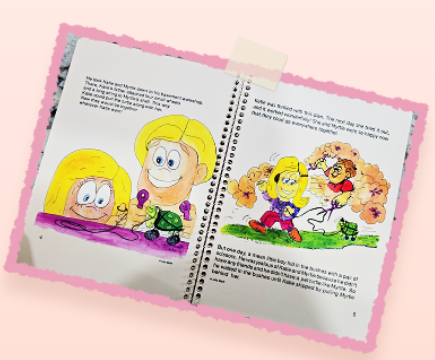
A great example in this category is Myrtle the Turtle by Bruce Wermuth. The story about a girl named Katie and her pet turtle covers themes like kindness, creative problem-solving, and reaching out to parents for help. Wermuth spent thirty years as a child psychiatrist before writing his picture books, and the book reads like it was written by someone who really knows what preschoolers need. Books from authors with this kind of background tend to handle emotional themes with more care than books written just to fill a category.
Must-Have Books for Early Elementary Readers
Kids in kindergarten, first grade, and second grade are in transition as readers. They still love picture books, but they can also start handling longer stories.
What to Buy at This Age
Good picks include longer picture books with more text, early chapter books with short chapters and lots of illustrations, and books in series so kids can move from one to the next once they fall in love with a character.
Themes That Matter
The strongest themes at this age include friendship, school situations, sibling relationships, small adventures, and stories about kids figuring out how to handle new experiences. This is also a great age for books that model kindness and problem-solving in more layered ways than younger books can.
Must-Have Books for Older Elementary Readers
Kids in third through fifth grade are ready for real chapter books, and their tastes get more specific with each year that passes.
What to Buy at This Age
You want chapter books that match their reading level and interests. Longer picture books with real depth still work for read-aloud time at this age. Nonfiction books about topics they are curious about, like animals, space, history, or sports, also earn a spot on the shelf.
Themes That Matter
The best themes at this stage include adventure, mystery, humor, friendship at deeper levels, and stories that handle bigger emotions. This is also an age where books about differences, empathy, and standing up for others can land hard.
Where to Buy These Books
Different sources fit different needs.
Big Online Retailers
Amazon and similar sites are great for popular titles and quick shipping. You should read the reviews and use the preview pages before ordering. These sites carry just about every kids’ book in print.
Author Websites
Author websites are the best option for indie or self-published books. Some authors offer signed copies, bundles, or extras that you cannot get from big retailers. Bruce Wermuth’s site, for example, previews Myrtle the Turtle and announces his upcoming companion book, Katie and the Ducklings.
Independent Bookstores
Independent bookstores are the best place for browsing and staff recommendations. You should bring your kid along and let them pick a book or two during the visit.
Used Book Sites
Used book sites are great for building a big library on a budget. Kids’ books hold up well even in used condition, so you can find popular titles at a fraction of retail price.
Libraries
The library is the smartest first stop for any book decision. You should borrow a book before you buy it, see if your child asks for it again, and then buy the ones that pass the test.
Building a Home Library the Slow Way
The best home libraries grow slowly over time. You should not try to buy fifty books at once. Instead, you can start with a handful that hit the categories above, read them for a couple of months, notice which ones your child asks for over and over, and then add more based on that pattern.
A collection of twenty to thirty books that get read regularly beats a shelf of two hundred that mostly sit untouched. Quality of use matters far more than quantity of purchase, especially at the younger ages where kids attach to specific favorites and want to read them again and again.
The Signal to Watch For
The best signal that a book was worth buying is whether your child pulls it off the shelf on their own. These are the books they quote at random times, take with them in the car, and cry at the same page every time you read.
You should trust those signals and build your library around them. Add new books that cover categories your child does not have yet, and retire the ones that never get picked up. Over time, you end up with a home library full of books your child truly loves, and those books guide the reader they become for life.
Kids books to buy are worth choosing carefully. Pick well, read often, and watch the collection grow into something meaningful for your family over the years.