Introduction to Land Logistics
Definition and Scope of Land Logistics
Land Logistics refers to the transportation of goods and services through land-based routes such as roads and railways. It plays a critical role in connecting manufacturers, suppliers, distributors, and customers. From small packages to large cargo shipments, land logistics ensures that products move efficiently across cities, regions, and countries.
Importance in Global Supply Chain
In today’s fast-paced world, land logistics forms the backbone of supply chains. It supports industries like retail, agriculture, manufacturing, and e-commerce. Without efficient land logistics, businesses would struggle to deliver products on time, leading to customer dissatisfaction and revenue loss.
How Land Logistics Works
Transportation Modes in Land Logistics
Road Transportation
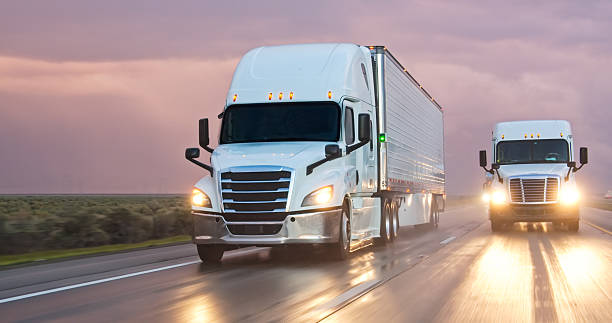
Road transport is the most widely used method in land logistics. Trucks, vans, and delivery vehicles handle goods of all sizes. This mode offers door-to-door service, making it highly flexible and accessible.
Rail Transportation
Rail logistics is ideal for transporting bulk goods over long distances. It is cost-effective and environmentally friendly compared to road transport, especially for heavy cargo like coal, minerals, and agricultural products.
Key Processes in Land Logistics
Planning and Route Optimization
Efficient planning is crucial in land logistics. Companies use advanced software to determine the best routes, reduce travel time, and minimize fuel costs.
Warehousing and Inventory Management
Goods are stored in warehouses before being shipped to their destination. Proper inventory management ensures that products are available when needed and reduces storage costs.
Last-Mile Delivery
The last mile is the final step in the delivery process. It involves transporting goods from a distribution center to the customer’s doorstep, often considered the most complex and expensive part of logistics.
Key Components of Land Logistics Systems
Fleet Management
Fleet management involves tracking and maintaining vehicles used for transportation. It ensures timely deliveries and reduces operational costs through better vehicle utilization.
Infrastructure and Networks
A strong network of highways, roads, and railways is essential for efficient land logistics. Countries with well-developed infrastructure experience faster and more reliable transportation.
Technology Integration
Modern land logistics relies heavily on technology such as GPS tracking, transportation management systems (TMS), and real-time data analytics. These tools help businesses monitor shipments and improve decision-making.
Benefits of Land Logistics
Cost Efficiency
Compared to air transport, land logistics is more affordable, especially for short to medium distances. It helps businesses reduce overall transportation costs.
Flexibility and Accessibility
Land logistics offers unmatched flexibility. Vehicles can reach remote and rural areas where other transportation modes may not be available.
Faster Delivery for Short Distances
For local and regional deliveries, land logistics is often faster than other methods. It ensures timely delivery, which is crucial for perishable goods and e-commerce orders.
Scalability for Businesses
Businesses can easily scale their logistics operations by increasing or decreasing the number of vehicles based on demand.
Challenges in Land Logistics
Traffic Congestion and Delays
Traffic jams and road conditions can significantly impact delivery times. Urban areas often face congestion, causing delays in shipments.
Regulatory and Compliance Issues
Different regions have varying transportation laws and regulations. Companies must comply with these rules to avoid penalties and disruptions.
Fuel Costs and Environmental Impact
Rising fuel prices increase transportation costs. Additionally, emissions from vehicles contribute to environmental concerns, pushing companies to adopt greener practices.
Industry Insights and Trends
Role of Automation and AI
Automation and artificial intelligence are transforming land logistics. From route optimization to predictive maintenance, AI helps improve efficiency and reduce costs.
Sustainable Logistics Practices
Companies are focusing on eco-friendly solutions such as electric vehicles, fuel-efficient engines, and optimized routes to reduce carbon emissions.
E-commerce Growth Impact
The rapid growth of online shopping has increased the demand for land logistics services. Faster deliveries and efficient last-mile solutions have become essential for businesses.
Land Logistics vs Other Modes of Logistics
Comparison with Air Logistics
Air logistics is faster but more expensive. Land logistics, on the other hand, offers a cost-effective solution for non-urgent shipments.
Comparison with Sea Logistics
Sea transport is ideal for international trade and large shipments, but it is slower. Land logistics complements sea transport by handling inland distribution.
Future of Land Logistics
Smart Transportation Systems
Smart systems use real-time data and IoT devices to monitor traffic, weather, and vehicle performance. This helps in making informed decisions and improving efficiency.
Electric and Autonomous Vehicles
Electric trucks and self-driving vehicles are expected to revolutionize land logistics. They will reduce operational costs and minimize environmental impact.
Best Practices for Efficient Land Logistics
Optimizing Routes
Using advanced route planning tools helps reduce travel time and fuel consumption.
Leveraging Technology
Adopting modern logistics software improves tracking, communication, and overall efficiency.
Improving Customer Experience
Providing real-time updates and reliable delivery services enhances customer satisfaction and builds trust.
FAQs About Land Logistics
1. What is Land Logistics?
Land Logistics involves transporting goods via road and rail networks to ensure efficient delivery across regions.
2. Why is Land Logistics important?
It plays a vital role in supply chains by enabling timely and cost-effective delivery of goods.
3. What are the main types of Land Logistics?
The two main types are road transportation and rail transportation.
4. What challenges does Land Logistics face?
Common challenges include traffic congestion, fuel costs, and regulatory compliance.
5. How does technology improve Land Logistics?
Technology enables real-time tracking, route optimization, and better inventory management.
6. What is the future of Land Logistics?
The future includes automation, electric vehicles, and smart transportation systems.
Conclusion
Land Logistics is a fundamental part of modern supply chains, ensuring goods move efficiently from one place to another. With its cost-effectiveness, flexibility, and scalability, it remains the preferred choice for many businesses. Despite challenges like traffic and environmental concerns, advancements in technology and sustainable practices are shaping a brighter future for the industry.
To stay competitive, companies must embrace innovation, optimize operations, and focus on customer satisfaction. As global trade and e-commerce continue to grow, land logistics will remain a key driver of economic development.