Acne-prone skin can be challenging to manage, especially when breakouts are accompanied by excess oil, clogged pores, uneven texture, or post-acne marks. While a consistent skin-care routine can make a significant difference, some people explore professional cosmetic treatments to complement their daily routine. One treatment that has attracted attention is the Laser Carbon Peel.
Laser Carbon Peel is a non-invasive cosmetic procedure that combines a carbon-based topical preparation with laser energy. It is commonly used to refresh the skin, reduce surface oil, improve the appearance of pores, and create a smoother-looking complexion. Because acne-prone skin often involves excess sebum and clogged pores, the treatment may seem like a natural fit.
However, Laser Carbon Peel is not suitable for every acne concern, and it should not be considered a universal acne treatment. Understanding its potential benefits and limitations can help individuals decide whether it may be appropriate for their skin.
What Is a Laser Carbon Peel?
A Laser Carbon Peel is a cosmetic laser treatment designed to exfoliate and rejuvenate the skin without surgical procedures or significant downtime.
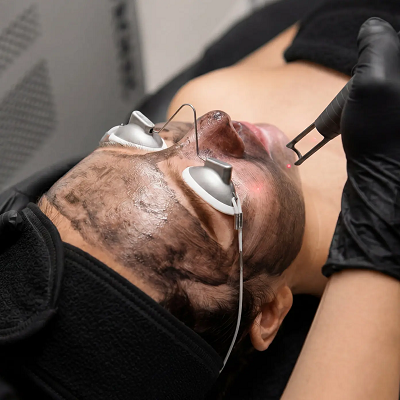
During treatment, a thin layer of carbon-based lotion is generally applied to the skin. Once the preparation has settled, a laser is passed over the treated area. The carbon absorbs the laser energy, helping remove the carbon layer along with surface debris, dead skin cells, and excess oil.
This process can leave the skin feeling smoother and looking brighter. It may also temporarily make pores appear less noticeable.
For people with acne-prone skin, the treatment is particularly interesting because excess oil and clogged pores can contribute to certain types of acne. However, acne has multiple causes, including hormonal changes, inflammation, bacteria, genetics, and abnormal shedding of skin cells. Therefore, treating surface oil and congestion does not necessarily address every underlying acne trigger.
Laser Carbon Peel is generally better viewed as a cosmetic skin-refreshing treatment that may complement an appropriate acne-care routine rather than replace evidence-based acne management.
Potential Benefits of Laser Carbon Peel for Acne-Prone Skin
One reason Laser Carbon Peel has become popular is its ability to address several common skin concerns at once. For people whose acne-prone skin is also oily or congested, this combination can be appealing.
1. May Help Reduce Excess Surface Oil
Excess sebum can contribute to clogged pores and an oily appearance. The carbon and laser process may help remove oil and surface impurities, leaving the skin feeling cleaner.
This does not mean the treatment permanently stops oil production. Sebaceous glands continue to function after treatment, so oiliness can return.
2. Can Improve the Appearance of Clogged Pores
Dead skin cells and sebum can accumulate inside pores and contribute to blackheads and other forms of congestion. The exfoliating effect of a Laser Carbon Peel may help improve the appearance of this buildup.
People with mild congestion may notice that the skin looks smoother and more refined after treatment.
3. May Improve Skin Texture
Acne-prone skin can sometimes have an uneven or rough surface. Removing dead skin cells can create a smoother feel and more polished appearance.
However, deeper acne scars are a different concern. A standard carbon peel should not be expected to completely correct significant depressed or raised acne scars.
4. Can Give the Skin a Fresher Appearance
One of the immediate cosmetic benefits can be a brighter-looking complexion. Surface exfoliation may remove dulling buildup and reveal skin that looks more refreshed.
This can make the treatment attractive to individuals who want a quick skin-rejuvenating procedure with relatively little downtime.
5. May Complement a Broader Skin-Care Plan
For selected individuals, a professional may incorporate Laser Carbon Peel into a broader skin-care strategy. The treatment can potentially address oiliness and surface congestion while daily products focus on longer-term acne management.
The important point is that the treatment should be selected according to the person’s actual skin concerns rather than used simply because it is popular.
Possible Downsides and Limitations
Despite its potential benefits, Laser Carbon Peel also has limitations. Anyone with acne-prone skin should understand these before scheduling treatment.
1. It Is Not a Cure for Acne
The biggest limitation is that Laser Carbon Peel does not treat every cause of acne.
Acne can involve inflammation, hormonal factors, bacterial activity, excess sebum, and changes in how skin cells accumulate within follicles. A procedure that primarily exfoliates and reduces surface oil cannot necessarily address all of these factors.
Someone experiencing persistent or moderate-to-severe acne may need a medically guided acne treatment plan instead of relying on cosmetic procedures alone.
2. Results Can Be Temporary
Skin naturally produces oil and sheds cells continuously. Because of this, improvements in oiliness and congestion may not be permanent.
Blackheads and clogged pores can gradually return if the factors contributing to them remain present.
3. Sensitive Skin May Become Irritated
Temporary redness, warmth, tightness, dryness, or sensitivity can occur after laser-based treatments. Individuals with an already damaged or irritated skin barrier may be more uncomfortable.
Appropriate treatment settings and aftercare are important for minimizing unnecessary irritation.
4. It May Not Be Appropriate During Active Skin Problems
A person with an active skin infection, significant inflammation, severe irritation, or recent sunburn may not be an appropriate candidate at that time.
A professional skin assessment can determine whether treatment should proceed or be postponed.
5. Pigmentation Changes Are Possible
Laser procedures can sometimes cause temporary changes in pigmentation. This is particularly important for individuals who are prone to post-inflammatory hyperpigmentation.
People with darker skin tones should discuss potential pigmentation risks and ensure that the professional performing the treatment understands how to select appropriate settings for their skin type.
Is Laser Carbon Peel Good for Every Type of Acne?
Not necessarily. The type and severity of acne matter considerably.
Laser Carbon Peel may be more appealing for people whose primary concerns include oily skin, blackheads, mild congestion, and an uneven-looking complexion.
Inflammatory acne, on the other hand, involves red, swollen, or pus-filled lesions. More severe forms can include deep and painful nodules or cysts. These conditions may require treatments specifically designed to control inflammation and prevent scarring.
Similarly, someone whose main concern is deep acne scarring should not expect a basic Laser Carbon Peel to produce dramatic scar removal. Different types of acne scars can require specialized approaches, and treatment selection depends on the scar type and the condition of the surrounding skin.
For this reason, an assessment before treatment is valuable. It allows the individual and treatment provider to determine whether the main concern is oiliness and surface congestion or whether another issue needs priority.
Laser Carbon Peel Aftercare for Acne-Prone Skin
Aftercare plays an important role in maintaining comfort and reducing the risk of irritation.
The skin may be temporarily more sensitive after treatment, so harsh scrubs and unnecessary exfoliation should generally be avoided until the skin has recovered according to professional instructions.
A gentle cleanser and suitable moisturizer can help support the skin barrier. Sunscreen is also particularly important because ultraviolet exposure can contribute to pigmentation changes and skin damage.
Acne-prone individuals may already use active ingredients such as retinoids, exfoliating acids, or benzoyl peroxide. These products can be useful in acne management, but using strong actives too soon after a cosmetic procedure may irritate the skin. The appropriate timing for restarting such products should therefore be discussed with the treatment provider.
Picking, squeezing, or aggressively scrubbing the skin should also be avoided. These habits can increase irritation and may contribute to post-acne marks.
Once the skin has fully recovered, a consistent routine can help maintain improvements. Depending on the person’s needs, this may include gentle cleansing, appropriate acne-control ingredients, moisturization, and daily sun protection.
Who Should Consider Laser Carbon Peel for Acne-Prone Skin?
Laser Carbon Peel may be worth considering for an individual whose acne-prone skin is also characterized by excess oil, mild congestion, blackheads, or dull-looking texture.
It may be especially appealing to someone looking for a cosmetic treatment with limited downtime while also wanting to improve the overall appearance of the skin.
However, a person should not choose the treatment solely because it is marketed for acne. The cause and severity of the acne should be considered first.
A professional evaluation is particularly important for individuals who:
-
Have frequent or persistent breakouts
-
Experience painful or deep acne lesions
-
Develop acne scars easily
-
Have very sensitive skin
-
Have a history of pigmentation changes
-
Are currently using prescription skin treatments
-
Have recently undergone another cosmetic procedure
-
Have active skin irritation or infection
A qualified professional can help determine whether Laser Carbon Peel is appropriate or whether another treatment would provide a better solution.
Pros and Cons at a Glance
Laser Carbon Peel can have several cosmetic advantages for selected acne-prone individuals, but it also has clear limitations.
Potential pros include:
-
Non-invasive treatment approach
-
Generally limited downtime
-
May reduce surface oiliness
-
Can improve the appearance of congested pores
-
May smooth surface texture
-
Can create a brighter-looking complexion
-
May complement an established skin-care routine
Potential cons include:
-
Does not cure acne
-
Results may be temporary
-
May cause short-term redness or sensitivity
-
May not be suitable for active or severe acne
-
Cannot be expected to eliminate significant acne scars
-
Pigmentation changes are possible
-
Multiple sessions may be recommended depending on individual goals
The key is to match expectations with what the treatment is actually designed to do.
For someone with oily, congested, acne-prone skin, Laser Carbon Peel may offer a useful cosmetic improvement. It can help refresh the skin and address some surface-level concerns, but it should not be considered a replacement for appropriate acne treatment.
A well-designed skin-care routine remains important after the procedure. Gentle cleansing, suitable acne-management products, moisturization, and sun protection can all contribute to healthier-looking skin over time.
Frequently Asked Questions
1. Can Laser Carbon Peel make acne worse?
Temporary redness or irritation can occur after treatment, particularly if the skin is sensitive or the procedure is not appropriately selected. Anyone with active inflammation or a compromised skin barrier should have the skin assessed before treatment.
2. Can Laser Carbon Peel remove acne scars?
It may improve the overall appearance and texture of the skin, but it should not be expected to remove significant acne scars. Deeper scars generally require treatment approaches specifically selected for their type and severity.
3. How often can someone with acne-prone skin have a Laser Carbon Peel?
There is no universal treatment schedule. The appropriate interval depends on skin condition, treatment intensity, individual response, and the person’s goals. A qualified professional should determine the safest schedule.
4. Is Laser Carbon Peel suitable for oily and acne-prone skin?
It may be suitable for selected individuals because it can help reduce surface oil and improve the appearance of congested pores. However, oily skin alone does not guarantee that the treatment is appropriate.
5. Can acne products be used after Laser Carbon Peel?
Some acne products can be irritating immediately after a laser treatment. Active ingredients such as retinoids and exfoliating acids may need to be paused temporarily, depending on professional aftercare instructions.
6. Is Laser Carbon Peel a permanent solution for acne?
No. Laser Carbon Peel does not permanently prevent acne because it does not eliminate all of the factors that cause breakouts. Long-term acne control generally requires consistent skin care and, when necessary, appropriate medical treatment.
Read More About Laser Carbon Peel: https://app.getbeamer.com/product5395/en/can-laser-carbon-peel-make-your-skin-look-younger