Home Health Laser Hair Therapy for Hair Loss in Dubai
Health

Laser Hair Therapy for Hair Loss in Dubai

Share
Share

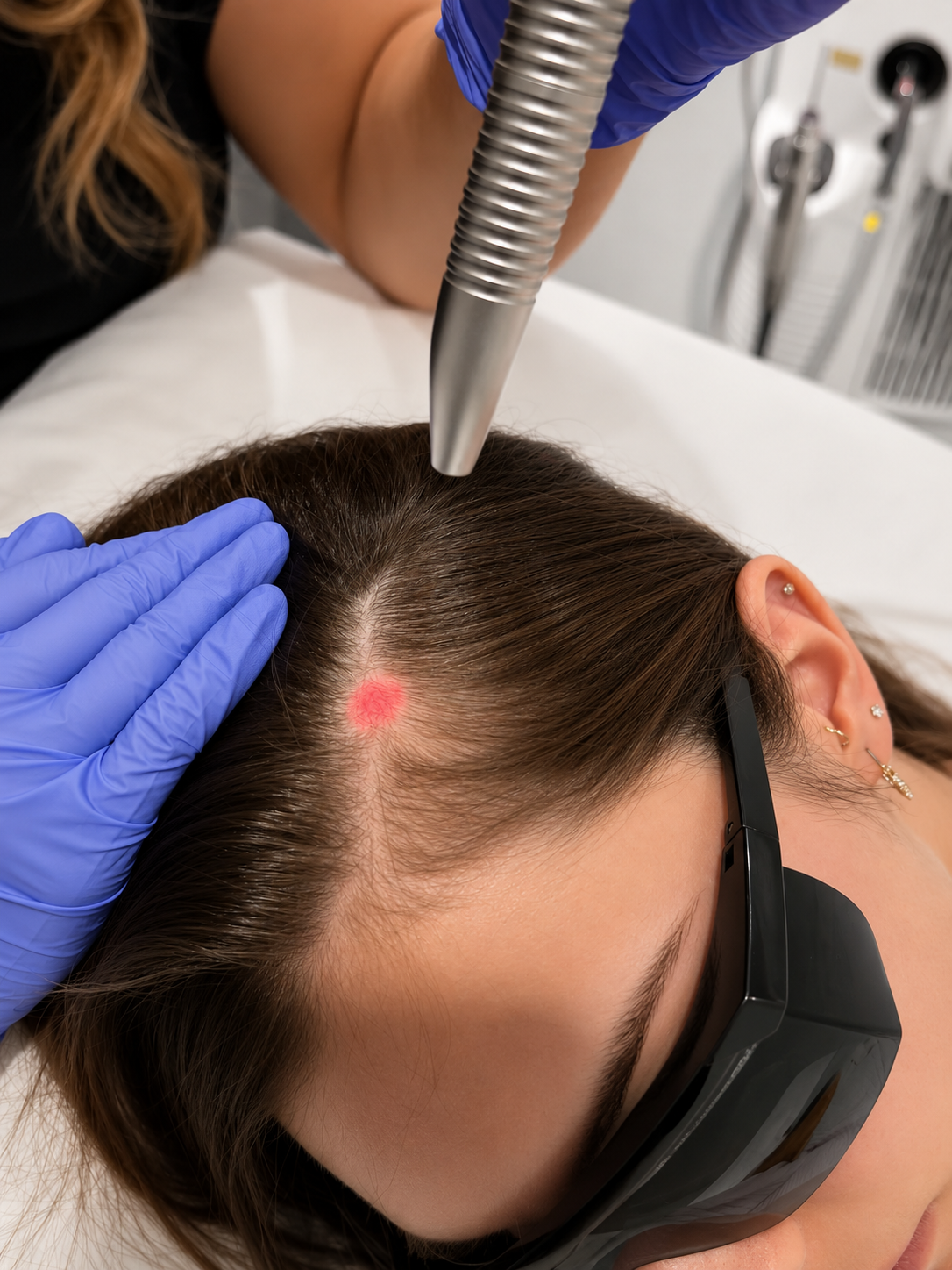
Age can influence hair growth, follicle activity, and the way hair loss develops over time. As people get older, hair may gradually become thinner, grow more slowly, or lose some of its natural density. Low-level laser therapy is a non-surgical option that may help some people manage hereditary hair thinning. However, the results of Laser Hair Therapy for Hair Loss in Dubai are not determined by age alone. The type of hair loss, condition of the follicles, overall scalp health, and consistency of treatment also matter. Understanding how age relates to treatment response can help adults develop realistic expectations and choose an appropriate hair restoration approach.

Understanding the Relationship Between Age and Hair Growth

Hair growth changes naturally throughout life. Hair follicles pass through growth, transition, and resting phases, and the duration of these phases can change with age. Some people notice that their hair becomes finer, grows more slowly, or loses density as they get older. These changes may occur alongside hereditary pattern hair loss, hormonal changes, nutritional deficiencies, or certain medical conditions. Low-level laser therapy aims to support existing follicles, but its potential benefit depends more on the condition and activity of those follicles than on a person’s age by itself.

Does Younger Age Lead to Better Results?

Younger adults may sometimes have an advantage because they are more likely to seek treatment while hair follicles are still active and hair thinning is at an earlier stage. When follicles are producing thinner strands rather than being permanently lost, there may be more opportunity to support their activity. However, younger age does not automatically mean better results. A younger person with advanced hereditary hair loss may respond less favourably than an older person with mild thinning and healthy remaining follicles. The stage and cause of hair loss are therefore more useful considerations than age alone.

Laser Hair Therapy for Adults in Their 20s and 30s

Adults in their 20s and 30s may notice early signs of hereditary hair loss, including a receding hairline, reduced crown density, or a widening part. At this stage, many follicles may still be active, making early assessment valuable. Low-level laser therapy may help some individuals improve hair density or thickness when used consistently with an appropriate device. However, hair thinning in younger adults can also be associated with stress, nutritional deficiencies, hormonal changes, or medical conditions. Identifying the cause before starting treatment is important. A professional assessment can help determine whether laser therapy is suitable or whether another approach should be considered first.

Treatment Considerations for Adults in Their 40s and 50s

People in their 40s and 50s may have a longer history of hair thinning, but age does not automatically make laser therapy unsuitable. Some adults in this age group still have active follicles that produce fine or weakened hair. These follicles may have the potential to respond to treatment. Others may have more advanced thinning, which can limit visible improvement. The treatment plan should consider the amount of remaining hair, scalp condition, pattern of hair loss, and general health. Adults in this age group may also experience hormonal or health-related changes that contribute to hair shedding, so a proper diagnosis is important before choosing a treatment.

Can Older Adults Benefit From Laser Hair Therapy?

Older adults may also be considered for low-level laser therapy if they have suitable follicles and a type of hair loss that may respond to light treatment. Clinical research has included adults across a range of ages, and improvements have been reported in some older participants. This suggests that treatment response is not limited to younger people. However, older adults may have more advanced follicle miniaturisation, long-standing hair loss, or additional scalp and health concerns. These factors can influence the outcome. A healthcare professional should assess whether the remaining follicles are capable of responding and explain what level of improvement may be realistic.

Why Follicle Health Matters More Than Age

Hair follicles are the structures responsible for producing individual hair strands. In hereditary pattern hair loss, certain follicles gradually become smaller and produce finer, shorter hairs. This process is called follicle miniaturisation. Low-level laser therapy aims to support existing follicles, so their condition is important when predicting possible results. A person with healthy but weakened follicles may have a better opportunity for improvement than someone with extensive permanent follicle damage, regardless of age. Scalp examination can help assess the pattern of thinning and whether active follicles remain. This is why treatment decisions should be based on follicle health rather than an age limit.

How Hormonal Changes Can Influence Hair Loss

Hormonal changes may affect hair growth at different stages of adulthood. In hereditary pattern hair loss, genetic sensitivity to androgens can contribute to gradual follicle miniaturisation. Women may also notice changes in hair density around menopause, while some men experience progressive thinning as they age. Thyroid disorders and other hormonal conditions can contribute to shedding as well. Laser therapy does not correct every hormonal cause of hair loss. If an underlying condition is responsible, it may need separate medical management. A healthcare professional can review symptoms and medical history to determine whether hormonal factors are contributing to thinning and whether laser treatment should be part of a broader plan.

Does the Duration of Hair Loss Affect Results?

The length of time a person has experienced hair loss can influence treatment expectations. Individuals who seek advice when thinning first appears may have more active follicles available for support. When hair loss has continued for many years, some follicles may become severely miniaturised or permanently inactive. In these situations, laser therapy may offer limited visible improvement. However, the duration of hair loss does not provide a complete picture because people progress at different rates. Someone with long-standing but relatively mild thinning may still have suitable follicles. A professional assessment is more useful than relying only on how many years hair loss has been present.

The Importance of Consistency at Every Age

Consistent treatment is important regardless of whether a person is young, middle-aged, or older. Low-level laser therapy generally requires repeated sessions over several weeks or months, depending on the device and recommended protocol. Hair growth is gradual, so occasional use may not provide the same exposure as a regular treatment schedule. People should follow the manufacturer’s instructions or the professional treatment plan and should not increase the duration or frequency without advice. Progress can be monitored through photographs taken under similar lighting and from consistent angles. Regular reviews can help determine whether hair density or thickness is changing and whether the treatment remains appropriate.

Can Laser Therapy Be Combined With Other Hair Loss Treatments?

Some adults may benefit from a treatment plan that includes more than one approach. Depending on the diagnosis, a healthcare professional may discuss options such as minoxidil, prescription medication, or other hair restoration procedures alongside low-level laser therapy. These treatments work differently and may be appropriate for different types and stages of hair loss. For example, medication may help manage hereditary thinning, while hair transplantation may be considered for selected people with more established hair loss. Combining treatments should always be based on individual needs, medical history, and safety considerations. Using several treatments without guidance does not guarantee better results.

How to Set Realistic Expectations at Different Ages

Expectations should reflect the condition of the scalp rather than a person’s age. Some adults may notice improved hair thickness or density, while others may experience only modest changes. Laser therapy is not designed to restore every lost hair or guarantee a full head of hair. It may also require continued use to maintain any improvement. Before treatment, it is useful to discuss the expected timeline, recommended schedule, possible side effects, and alternative options. Taking baseline photographs can help make progress easier to evaluate. A clear understanding of the treatment’s limitations can prevent unrealistic expectations and support informed decisions.

When Should You Seek Professional Advice?

Anyone experiencing persistent or unexplained hair loss should consider a professional assessment before starting laser therapy. Sudden shedding, patchy bald spots, scalp pain, redness, scaling, or scarring may indicate a condition that requires a different treatment. A healthcare professional may examine the scalp, review family history and medication use, and ask about recent illness, stress, and dietary changes. Blood tests may be recommended when nutritional deficiencies or thyroid problems are suspected. This assessment can help identify the cause of hair loss and determine whether low-level laser therapy is suitable. It is particularly important for older adults with other health conditions and younger people experiencing unexpected shedding.

Conclusion

Age can influence hair growth and the progression of hair loss, but it does not determine the success of laser hair therapy on its own. Younger adults may benefit from seeking advice early, while middle-aged and older individuals may also experience improvement if suitable hair follicles remain active. The cause of hair loss, follicle condition, scalp health, and consistency with treatment are important factors when considering potential results. Low-level laser therapy may support hair density or thickness in some people with hereditary pattern hair loss, but outcomes vary. A professional scalp assessment can help determine whether the treatment is appropriate and establish realistic expectations.

Frequently Asked Questions

Does age affect the results of laser hair therapy?

Age may influence hair growth and the progression of thinning, but it is not the only factor that determines results. Follicle health, type of hair loss, scalp condition, and treatment consistency are also important.

Is laser hair therapy more effective for younger adults?

Younger adults may have more active follicles if they seek treatment during the early stages of thinning. However, younger age does not guarantee better results, and some older adults may also respond well.

Can people over 50 receive laser hair therapy?

Yes. People over 50 may be suitable if they have active follicles and a type of hair loss that may respond to treatment. A professional assessment can help determine suitability.

Is there an age limit for laser hair therapy?

There is no single age limit that applies to every device or treatment plan. Suitability depends on the device instructions, medical history, scalp condition, and type of hair loss.

Can laser therapy help with age-related hair thinning?

It may help some people with hereditary pattern hair loss by supporting existing follicles. However, thinning caused by nutritional deficiencies, thyroid disorders, or other medical conditions may require different treatment.

Do older adults need more laser therapy sessions?

Not necessarily. The recommended schedule depends on the device and treatment protocol rather than age alone. A healthcare professional can advise on the appropriate frequency and duration.

Can laser hair therapy reverse advanced baldness?

Laser therapy is unlikely to restore hair in areas where follicles have been permanently destroyed. It is intended to support existing follicles, so advanced baldness may require other hair restoration options.

Should younger adults start laser hair therapy as soon as hair shedding begins?

Not always. Hair shedding can occur for several reasons, including stress, illness, nutritional deficiencies, and hormonal changes. Identifying the cause first helps ensure that the chosen treatment is appropriate.

How can I know whether my hair follicles are still active?

A healthcare professional can examine the scalp and assess the pattern of thinning. Depending on the situation, a closer scalp examination or additional tests may help determine the cause and condition of the follicles.

Can laser hair therapy be combined with other treatments at any age?

It may be combined with other hair loss treatments when medically appropriate. The choice depends on the diagnosis, medical history, and safety of the treatments being considered.


 
 
Share
Related Articles
Health

When Is the Right Time to Address Hair Thinning?

Hair thinning can begin with small changes that are easy to ignore....

Health

How Does Six Pack Abs Surgery Shape the Abdominal Area?

Six pack abs surgery may improve the lower abdominal area by removing...

Health

# How a Virtual Medical Assistant Manages Electronic Health Records (EHR) Data Entry Electronic health records are the backbone of modern healthcare. Every appointment, insurance detail, referral, lab result, and message flows through the EHR. When the data inside it is accurate and up to date, your practice runs smoothly. When it is incomplete, outdated, or full of typos, problems multiply: claims are denied, providers lack information, patients receive the wrong reminders, and staff waste hours fixing mistakes. Unfortunately, data entry is also one of the most time-consuming tasks in any clinic. It is repetitive and easy to put off when the front desk is busy. This is exactly the kind of work that skilled remote support can take over. In this guide, we explain how a virtual medical assistant manages EHR data entry, which tasks they can handle, and how to keep your records accurate, organized, and secure. ## 1. Why EHR Data Quality Matters Data entry might sound routine, but its effects are far-reaching. Clean records support: – **Patient safety.** Providers rely on accurate information to make decisions. – **Clean billing.** Correct demographics and insurance details prevent denials. – **Efficient workflows.** Staff can find what they need without searching or guessing. – **Better communication.** Correct phone numbers and preferences ensure reminders reach patients. – **Compliance.** Accurate documentation supports audits and legal requirements. – **Reliable reporting.** Quality data leads to meaningful insights about your practice. On the other hand, poor data quality can lead to duplicate charts, wrong contact details, missed follow-ups, and billing errors. Over time, these small issues create large costs. ## 2. The Role of a Virtual Medical Assistant in Records Management A [virtual medical assistant](https://virtualmedicalassistant.online/) is a trained remote professional who supports healthcare practices with administrative and operational work. When it comes to EHR management, they can act as a dedicated records specialist who keeps information organized and current. Their work is administrative. They do not make clinical judgments or alter clinical documentation without authorization. Instead, they follow your written instructions to enter, update, and organize information so your clinical team can focus on patient care. Because they work remotely through secure access, they can handle large volumes of data entry without interrupting the daily flow of the office. ## 3. Patient Registration and Demographics Accurate registration is the foundation of a good record. A remote assistant can handle: – **New patient charts.** Creating records with correct names, dates of birth, addresses, and contact information. – **Duplicate checks.** Searching for existing records before creating new ones to avoid duplicate charts. – **Contact preferences.** Recording preferred phone numbers, email addresses, and communication methods. – **Language and accessibility needs.** Noting interpreter requirements or special accommodations. – **Emergency contacts.** Entering and verifying contact details. – **Guarantor and guardian information.** Recording responsible parties for minors or dependents. – **Consent forms.** Attaching signed documents to the right chart. Consistent formatting is key. For example, entering names, addresses, and phone numbers in the same way each time makes searching and reporting easier. ## 4. Insurance Information and Verification Insurance errors are a leading cause of claim denials. A remote assistant can reduce these errors by: – Entering policy numbers, group numbers, and subscriber details accurately – Scanning and attaching insurance cards and photo identification – Updating records when patients change plans – Verifying eligibility and recording benefits – Noting primary and secondary coverage in the correct order – Flagging expired or inactive coverage for follow-up – Recording authorization numbers and visit limits Doing this work before the appointment gives your team time to resolve problems and helps front desk staff collect accurate copays at check-in. ## 5. Scheduling and Appointment Data Scheduling information flows directly into the EHR and affects everything from provider workflows to billing. Well-organized [patient appointment scheduling](https://virtualmedicalassistant.online/services/appointment-scheduling/) data ensures appointments are linked to the right visit type, provider, location, and insurance details. A remote assistant can maintain this data by: – Entering appointments with correct visit types and durations – Linking appointments to the right provider and room or resource – Recording reasons for visit and special instructions – Updating cancellations, reschedules, and no-shows accurately – Noting reminder and confirmation status – Keeping waitlist information current – Documenting patient preferences, such as preferred days or times Accurate scheduling records also help your practice analyze trends, such as no-show rates and peak demand times. ## 6. Document Management and Scanning Many practices still receive paper forms, faxes, and outside records. Remote assistants can digitize and organize these documents by: – **Scanning and uploading.** Adding documents to the correct patient chart. – **Labeling files clearly.** Using consistent naming conventions and document types. – **Indexing records.** Making it easy to search for lab reports, imaging results, referral letters, and forms. – **Sorting incoming faxes.** Matching them to the right patient and routing them to the right staff member. – **Attaching outside records.** Adding records from other providers to support continuity of care. – **Removing duplicates.** Cleaning up repeated uploads and misfiled documents. A tidy document system saves time and reduces the risk of lost or overlooked information. ## 7. Referrals, Orders, and Tracking Referrals and orders often involve many steps and multiple offices. A remote assistant can keep these items organized in the EHR by: – Entering referral requests and recording the date and destination – Tracking whether the patient scheduled the visit – Requesting and attaching consultation notes when they arrive – Logging prior authorization requests and approvals – Preparing order entries for provider review where permitted – Recording the status of labs, imaging, and procedures – Alerting staff when follow-up is needed Clear tracking prevents patients from slipping through the cracks and helps your practice close the loop on every referral. ## 8. Results, Messages, and Task Management Your EHR likely contains an inbox full of messages, tasks, and incoming results. Under provider direction and within your policies, a remote assistant can help by: – **Sorting messages.** Routing items to the correct nurse, provider, or department. – **Filing results.** Attaching incoming lab and imaging reports to the correct chart. – **Creating tasks.** Setting reminders for follow-up calls or paperwork. – **Documenting patient calls.** Recording the reason for the call and any actions taken. – **Flagging urgent items.** Alerting clinical staff to time-sensitive issues. – **Closing completed tasks.** Keeping inboxes organized and current. An organized inbox helps providers respond faster and reduces the risk of overlooked messages. ## 9. Billing-Related Data Entry Accurate data entry supports a healthy revenue cycle. Remote assistants can assist with billing-related records by: – Entering charges and linking them to the correct visit – Attaching supporting documentation – Checking for missing information before claim submission – Recording payments, adjustments, and notes under your instructions – Tracking denied or unpaid claims – Documenting patient balances and payment arrangements – Maintaining notes on calls with payers Careful documentation provides a clear history of each claim and makes follow-up easier. ## 10. Data Cleanup and Chart Maintenance Over time, even well-run practices accumulate messy records. A remote assistant can help with ongoing maintenance projects such as: – **Merging duplicate charts.** Following your approved process and review rules. – **Updating outdated information.** Verifying phone numbers, addresses, and insurance during outreach. – **Cleaning up inactive records.** Flagging patients who have not been seen in a long time. – **Standardizing formats.** Making names, dates, and addresses consistent. – **Correcting errors.** Fixing typos and misfiled entries. – **Preparing records for audits or system migrations.** Organizing data so it transfers cleanly. These projects can be difficult to fit into a busy schedule, but a dedicated assistant can make steady progress. ## 11. Accuracy Controls and Quality Checks Because data entry affects patient care and billing, accuracy is critical. Use these safeguards to keep quality high: – **Written standards.** Define how to enter names, dates, addresses, and notes. – **Templates and checklists.** Reduce missed fields and inconsistencies. – **Double-check systems.** Use spot checks or second-person reviews, especially early on. – **Required fields.** Configure your EHR to prevent incomplete entries when possible. – **Error tracking.** Keep a simple log of mistakes to identify patterns. – **Regular audits.** Review a sample of records each month. – **Feedback loops.** Share corrections and examples with your assistant. Quality control does not need to be complicated. A few consistent habits go a long way. ## 12. HIPAA Compliance and Data Security Because EHRs contain protected health information, security must be a top priority. When working with remote support, make sure that: – **A Business Associate Agreement is in place.** – **Staff are trained on HIPAA and privacy rules.** – **Access is limited by role.** Your assistant should only see what is necessary. – **Individual logins are used.** Shared passwords make tracking impossible. – **Connections are secure.** Use encrypted networks and secure remote access tools. – **Audit logs are available.** You should be able to review who accessed or changed records. – **Data is not stored locally.** Patient information should remain in secure systems. – **Incident procedures exist.** Everyone should know how to report concerns quickly. Strong security practices protect your patients and reduce risk for your practice. ## 13. Setting Up Your Assistant for Success To get the best results, prepare your team and systems: 1. **Define the scope.** List which records and fields your assistant may enter or update. 2. **Document workflows.** Provide step-by-step guides and screenshots. 3. **Provide examples.** Show correct and incorrect entries. 4. **Set permissions carefully.** Limit access to what is needed. 5. **Train on your EHR.** Walk through common screens and actions. 6. **Start with a pilot.** Begin with a limited set of tasks and review results. 7. **Appoint a point of contact.** Make it easy to ask questions. 8. **Review regularly.** Check quality and adjust instructions as needed. Clear structure helps your assistant work confidently and accurately. ## 14. Measuring Results To see whether your data entry support is working, track measures such as: – Data entry accuracy rate – Time to register new patients – Number of duplicate charts – Claim denial rate related to demographic or insurance errors – Turnaround time for filing documents and results – Staff time saved on administrative tasks – Provider and staff satisfaction Compare results before and after you add remote support. Improvements in accuracy and speed show the value of the investment. ## 15. Final Thoughts EHR data entry may not be glamorous, but it is essential. Accurate, organized records support patient safety, smooth operations, and healthy revenue. By assigning this work to a trained virtual medical assistant, you reduce the burden on your in-house team and gain consistency and focus. With clear instructions, strong privacy safeguards, and regular quality checks, your assistant can become a dependable guardian of your practice’s data, so everyone else can spend more time on what matters most: caring for patients. ## Frequently Asked Questions (FAQs) **What EHR tasks can a virtual medical assistant handle?** They can enter patient demographics, update insurance details, scan and upload documents, track referrals, organize messages, file results, record scheduling data, and support billing-related documentation. **Can a virtual medical assistant access my EHR system?** Yes, with proper permissions. They typically use secure remote access and individual logins, with access limited to the information required for their tasks. **Is it safe to let a remote assistant work in my EHR?** It can be, if safeguards are in place. These include a Business Associate Agreement, HIPAA training, role-based access, secure connections, and audit logs. **Does a virtual medical assistant make clinical decisions or edit clinical notes?** No. Their role is administrative. Clinical decisions and clinical documentation remain the responsibility of licensed providers, and any exceptions should follow your policies and applicable laws. **How does accurate data entry reduce claim denials?** Correct demographics, insurance details, and authorization numbers prevent common errors that lead to rejected claims, which helps speed up payment. **Can a virtual medical assistant help clean up duplicate patient records?** Yes. Under your approved process, they can identify possible duplicates and prepare them for review or merging, helping keep records accurate. **How do I make sure data entry quality stays high?** Use written standards, templates, spot checks, regular audits, and feedback sessions. Starting with a pilot period also helps catch issues early. **Which EHR systems can a virtual medical assistant work with?** Many assistants can work in popular EHR and practice management systems. Confirm that your provider has experience with your specific platform and provide training as needed. **How quickly can a virtual medical assistant begin entering data?** Many practices can begin within one to two weeks once system access, workflows, and compliance agreements are in place. **What metrics show that EHR data entry support is working?** Track accuracy rates, number of duplicate charts, claim denials caused by data errors, turnaround times for document filing, and the staff time saved. #VirtualMedicalAssistant #EHR #ElectronicHealthRecords #MedicalDataEntry #HealthcareAdministration #MedicalPracticeManagement #HIPAACompliance #AppointmentScheduling #HealthcareOutsourcing #PatientRecords #ClinicOperations #MedicalOfficeSupport

Unfortunately, data entry is also one of the most time-consuming tasks in...

Health

How to Reduce Thyroid Level by Food: Diet Guide

Can food lower high TSH or thyroid levels? Learn the truth, the...