Latin America’s swimming-pool equipment sector is being shaped by tourism expansion, residential development, hospitality investment, and modernization of existing recreational infrastructure. Pumps, filters, heaters, cleaners, lighting systems, water-treatment equipment, and automation technologies are becoming increasingly important as hotels, resorts, residential communities, and leisure facilities seek reliable and efficient pool systems.
According to Markntel Advisor, the Latin America swimming pool equipment industry is developing alongside rising investments in hospitality and residential infrastructure. Demand is increasingly driven by both new swimming pool construction and the replacement of aging equipment, while energy-efficient systems and automated controls are gaining importance as operators seek to reduce maintenance requirements and manage operating costs more effectively.
Tourism Supports Commercial Pool Development
Tourism is an important demand driver across Latin America because hotels and resorts frequently incorporate swimming pools as part of their recreational facilities. Destinations across Mexico, Brazil, the Caribbean-facing markets, and other tourism-oriented areas continue to invest in accommodation infrastructure, supporting demand for complete pool equipment systems.
The World Tourism Organization identifies tourism as an important contributor to economic activity and infrastructure development across destinations worldwide. In Latin America, continued investment in hotels, resorts, and leisure properties creates opportunities for pool equipment suppliers because every new facility requires circulation, filtration, cleaning, and water-management systems.
Commercial facilities also tend to experience more intensive pool usage than private residential pools. This increases the importance of durable pumps, efficient filtration, automated treatment, and regular equipment maintenance, creating both initial installation and recurring replacement demand.
Pumps Remain Fundamental to Pool Operations
Pumps represent one of the most essential components of a swimming-pool system because they circulate water through filtration and treatment equipment. Continuous circulation helps maintain water quality and ensures that other pool systems can operate effectively.
The importance of pumps is particularly evident in hospitality facilities, where pools may operate for extended periods and accommodate large numbers of users. High utilization can increase equipment wear, encouraging operators to prioritize reliable and energy-efficient circulation systems.
Variable-speed pump technologies are also gaining attention because they allow operating speeds to be adjusted according to circulation requirements. This can provide greater control over electricity consumption compared with systems that operate continuously at a fixed speed.
Hospitality Creates Recurring Equipment Demand
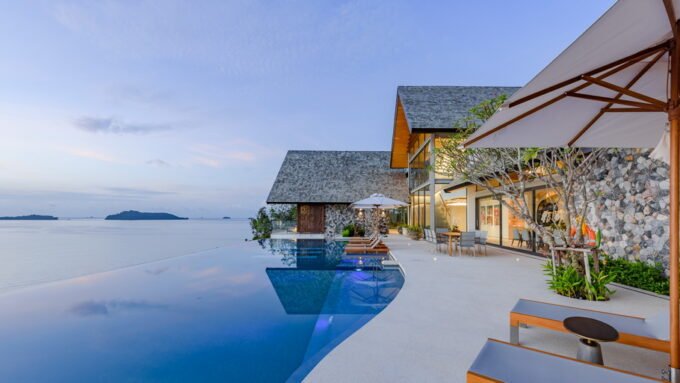
Hotels, resorts, and other hospitality facilities form an important customer base because swimming pools are frequently positioned as core recreational amenities. Premium properties may operate multiple pools, including main leisure pools, children’s areas, infinity pools, spa pools, and private villa pools.
Each installation can require separate circulation, filtration, cleaning, lighting, and control equipment. As a result, the value of equipment demand per hospitality property can be considerably higher than that associated with a single residential pool.
Hospitality operators are also more likely to undertake periodic renovations. Equipment replacement can occur alongside broader property refurbishment, allowing older pumps, filters, heaters, and automation systems to be replaced with newer technologies.
Residential Development Broadens the Demand Base
Residential construction is another important source of demand. Swimming pools are increasingly incorporated into gated communities, condominium developments, luxury housing projects, and mixed-use properties, particularly in warmer urban areas.
Shared pools can create significant equipment requirements even when individual household pool ownership remains limited. A residential complex may serve hundreds of households through a centralized recreational facility, requiring commercial-grade pumps, filtration, lighting, and water-treatment systems.
The Inter-American Development Bank has highlighted the importance of sustainable urban development and infrastructure investment across Latin America and the Caribbean. Continued urban development can indirectly support demand for recreational amenities, including swimming pools, within new residential and mixed-use projects.
Smart Pool Technology Gains Ground
Digitalization is gradually changing how pool equipment is monitored and controlled. Automation systems can connect pumps, filtration equipment, lighting, heating, and water-treatment functions through centralized interfaces.
Sensors and connected monitoring systems can provide information about water quality, equipment performance, and operating conditions. This can reduce the need for manual checks and help operators identify maintenance requirements at an earlier stage.
Smart systems are particularly relevant to hotels and large residential developments because managing several pool components manually can require significant staff time. Automated controls can simplify scheduling and improve visibility over equipment operation.
Energy Efficiency Becomes More Important
Electricity consumption is an important consideration for pool operators because circulation pumps, heaters, filtration equipment, and lighting systems can operate for long periods. Rising energy costs and sustainability objectives are therefore encouraging greater attention to efficient equipment.
Variable-speed pumps, efficient motors, automated scheduling, LED lighting, and improved filtration systems can help reduce unnecessary energy consumption. The International Energy Agency identifies energy efficiency as an important mechanism for reducing energy demand and improving the performance of energy-consuming systems.
For hospitality operators, energy efficiency can be particularly relevant because pools are part of broader hotel utility consumption. Equipment upgrades may therefore be evaluated not only for performance but also for their contribution to facility-level operating efficiency.
Renovation Creates Replacement Opportunities
The existing installed pool base represents an additional source of demand. Equipment does not operate indefinitely, and components such as pumps, filters, heaters, cleaners, and lighting systems eventually require replacement.
Renovation projects can accelerate this cycle because property owners often use broader refurbishments to upgrade pool infrastructure. Older facilities may replace conventional equipment with automated controls, energy-efficient pumps, modern filtration systems, or improved water-treatment technologies.
This creates a recurring market beyond new pool construction. Even when construction activity slows, replacement and modernization can sustain equipment demand across established hospitality and residential markets.
Brazil and Mexico Provide Important Growth Centers
Brazil and Mexico represent important markets within the regional landscape because of their population scale, tourism industries, urban development, and established hospitality infrastructure. Both countries have substantial residential and commercial property markets capable of supporting pool equipment demand.
Mexico benefits from extensive tourism infrastructure along destinations such as Cancún, Riviera Maya, and other coastal areas. Brazil combines large urban centers with a significant domestic leisure market and favorable climatic conditions across many regions.
Other Latin American markets also contribute through resort development, luxury residential projects, and hospitality investment. Regional demand is therefore distributed across several countries rather than concentrated in a single market.
Cost and Maintenance Remain Constraints
High initial investment and ongoing maintenance costs can restrict adoption, particularly among price-sensitive residential and smaller commercial users. Complete pool systems require multiple components, while installation can involve substantial civil, electrical, and plumbing work.
Advanced automation and energy-efficient equipment may also carry higher upfront costs than conventional alternatives. Although these systems can offer operational benefits, the initial investment can influence purchasing decisions.
Access to qualified maintenance services is another consideration. Sophisticated equipment requires appropriate installation, servicing, and troubleshooting, making technical support an important part of long-term pool-system performance.
A More Efficient Pool Equipment Ecosystem
Latin America’s swimming-pool equipment sector is evolving through the combined influence of tourism, residential development, refurbishment, energy-efficiency requirements, and digitalization. Hospitality remains an important demand center, while residential and mixed-use projects broaden the equipment base.
The sector’s future development is likely to involve greater integration between pumps, filtration, water treatment, lighting, heating, and automation systems. Rather than purchasing isolated components, property developers and operators are increasingly considering pool infrastructure as an interconnected system.
This transition creates opportunities for technologies that improve energy efficiency, simplify maintenance, and provide greater operational visibility. At the same time, affordability and access to technical services will remain important factors in determining how quickly advanced equipment spreads across Latin American markets.