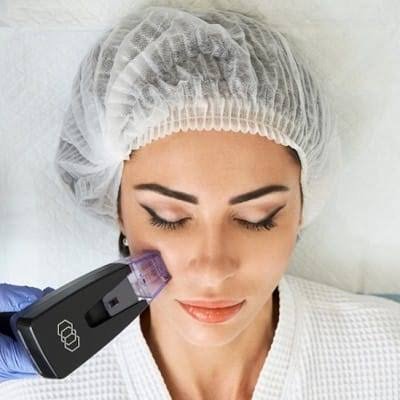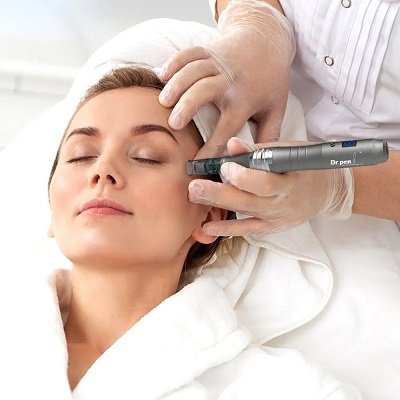
Healthy-looking skin often depends on more than simply washing the face and applying moisturizer. Everyday exposure to pollution, sunlight, makeup, excess oil, and environmental stress can leave the skin looking dull, congested, uneven, or dehydrated. For people looking for a non-invasive way to refresh their complexion, HydraFacial Treatment has become a popular skincare option.
A HydraFacial Treatment combines several skincare steps into one procedure. It generally involves cleansing, exfoliation, extraction, and hydration, while specialized serums are used to support the skin’s appearance. Unlike more aggressive procedures, it is designed to provide a refreshed complexion without significant downtime for most people.
But what skin concerns can it actually address? While results can vary depending on skin type and individual needs, the treatment may be useful for several common cosmetic skin problems, including clogged pores, dullness, dehydration, uneven texture, excess oil, and the appearance of fine lines.
1. Clogged Pores and Blackheads
One of the most common reasons people consider a HydraFacial Treatment is congested skin. Pores can become blocked when oil, dead skin cells, makeup residue, and other impurities accumulate on the surface.
Traditional cleansing may remove some surface debris, but it may not be enough to address deeper congestion. HydraFacial procedures typically include a gentle cleansing and exfoliation stage followed by a specialized extraction process. This can help loosen and remove impurities from congested pores.
For people who frequently notice blackheads or small bumps around the nose, chin, and forehead, professional facial treatments may help improve the appearance of these areas.
However, a HydraFacial should not be considered a permanent solution for acne or recurring clogged pores. Skin can become congested again because oil production and dead-cell buildup continue naturally. A consistent skincare routine remains important for maintaining the results.
2. Dull or Tired-Looking Skin
Skin can lose its natural-looking glow for many reasons. Dead skin cells may build up on the surface, while dehydration, environmental exposure, lack of sleep, and daily stress can contribute to a tired appearance.
A HydraFacial Treatment can help address this concern by exfoliating the outermost layer of dead skin cells and removing surface impurities. Once this buildup is reduced, the skin may look smoother and more radiant.
The hydration component of the treatment can also contribute to a fresher-looking complexion. Hydrating ingredients are typically applied during the procedure, helping the skin appear more supple and refreshed.
This makes the treatment particularly appealing before events, celebrations, photographs, or other occasions when someone wants the complexion to look polished without undergoing an invasive procedure.
3. Dehydrated and Dry Skin
Dry skin and dehydrated skin are related but are not exactly the same. Dry skin often refers to a skin type that produces less natural oil, while dehydration refers to a lack of water in the skin.
Dehydrated skin may appear tight, rough, flaky, or less radiant. Fine lines can sometimes look more noticeable when the skin lacks sufficient moisture.
A HydraFacial Treatment focuses partly on replenishing hydration after cleansing and exfoliation. Depending on the specific treatment protocol and products used, moisturizing and hydrating ingredients may be introduced to support a more supple appearance.
For someone with persistently dry or irritated skin, however, professional assessment may be more appropriate before receiving a facial treatment. Certain skin conditions can require targeted medical care rather than cosmetic procedures.
4. Uneven Skin Texture
Smooth skin texture is often associated with a healthy and youthful-looking complexion. Unfortunately, dead skin cells, dryness, clogged pores, and environmental factors can make the surface feel rough or uneven.
HydraFacial Treatment uses exfoliation to help remove superficial dead skin cells. This can make the skin feel softer and look smoother.
Regular exfoliation may also help skincare products spread more evenly across the skin. However, the treatment should not be confused with procedures designed to treat deeper scars or significant textural changes.
For example, pronounced acne scars, deep wrinkles, or substantial pigmentation concerns may require other professional treatment options. A qualified skincare professional can determine which approach is most suitable based on the underlying concern.
5. Fine Lines and Early Signs of Skin Aging
Fine lines are a natural part of aging, but factors such as sun exposure, dehydration, smoking, and environmental stress can make them more noticeable.
A HydraFacial Treatment may temporarily improve the appearance of fine lines by exfoliating the skin and increasing surface hydration. Well-hydrated skin can appear plumper and smoother, which may make fine lines look less prominent.
The treatment is generally better viewed as a skin-refreshing procedure rather than a replacement for medical anti-aging treatments. It cannot stop the natural aging process or permanently remove wrinkles.
For long-term skin health, daily broad-spectrum sunscreen, appropriate moisturization, gentle cleansing, and a consistent skincare routine remain essential.
6. Excess Oil and Congested Skin
People with oily skin often deal with shine, enlarged-looking pores, and recurring congestion. Excess sebum can mix with dead skin cells and contribute to clogged pores.
A HydraFacial Treatment can help cleanse and exfoliate the skin while removing some surface impurities and pore congestion. This may leave oily skin looking cleaner and more balanced immediately after treatment.
Importantly, the procedure does not permanently stop oil production. Sebaceous glands continue to produce oil after treatment, meaning maintenance and appropriate home skincare are still necessary.
Individuals with very oily or acne-prone skin should also avoid assuming that more aggressive cleansing is always better. Over-cleansing or excessive exfoliation can irritate the skin and potentially make it more uncomfortable.
7. Uneven-Looking Skin Tone and the Appearance of Sun Damage
Uneven skin tone can develop for many reasons, including sun exposure, post-inflammatory changes, and natural variations in pigmentation. Some people may notice darker-looking areas or an overall lack of uniformity in their complexion.
A HydraFacial Treatment can improve the overall appearance of the skin by removing dead surface cells and supporting hydration. Some treatment protocols may also incorporate ingredients intended to brighten or improve the appearance of uneven tone.
The degree of improvement depends on the cause and severity of the pigmentation. A facial treatment should not be considered a guaranteed solution for melasma, significant hyperpigmentation, or other pigment-related medical conditions.
Sun protection is especially important. Without consistent protection from ultraviolet radiation, pigmentation concerns can continue or become more noticeable even after cosmetic treatments.
What Happens During a HydraFacial Treatment?
A typical HydraFacial procedure involves several stages designed to work together.
First, the skin is cleansed to remove makeup, oil, and surface impurities. The next stage generally involves exfoliation, which helps loosen dead skin cells from the surface.
The procedure may then include gentle extraction to help clear pore congestion. Unlike manual extraction, which can sometimes be uncomfortable or irritating when performed incorrectly, the specialized device is designed to perform extraction using controlled suction.
The final stage focuses on hydration and infusion of skincare ingredients. Depending on the treatment plan, different serums may be selected according to the person’s skin concerns.
The entire process is generally considered non-invasive, and many people return to normal daily activities afterward. Nevertheless, temporary redness or sensitivity can occur, particularly in people with sensitive skin.
Who May Benefit From HydraFacial Treatment?
HydraFacial Treatment may appeal to adults who want to improve the appearance of dull, congested, dry, or uneven-looking skin without significant downtime.
It can be particularly attractive for people who want a treatment that combines multiple skincare steps into one session. Because treatment plans can often be adjusted according to individual skin needs, the approach may be suitable for a variety of skin types.
However, suitability is not the same for everyone. People experiencing active skin infections, severe irritation, open wounds, certain inflammatory skin conditions, or other significant skin problems should seek professional advice before undergoing cosmetic facial treatments.
Anyone using prescription skincare products or receiving treatment for a skin condition should also discuss the procedure with an appropriate healthcare professional before scheduling it.
How Can Results Be Maintained?
A professional facial can provide a noticeable short-term improvement, but long-term skin health depends heavily on daily habits.
A basic skincare routine can include gentle cleansing, appropriate moisturizing, and regular use of broad-spectrum sunscreen. People with specific concerns may also benefit from carefully selected active ingredients recommended according to their skin type.
It is also important not to over-exfoliate. Combining multiple strong exfoliating products with frequent professional treatments may increase irritation rather than improve the complexion.
Hydration, adequate sleep, a balanced diet, and avoiding smoking can also support overall skin health.
The frequency of HydraFacial Treatment should be individualized rather than based solely on a fixed schedule. Skin type, sensitivity, treatment goals, and existing skincare products can all influence how often a person may benefit from the procedure.
Are There Any Side Effects or Precautions?
HydraFacial Treatment is generally considered a gentle cosmetic procedure, but no skincare treatment is completely risk-free.
Some people may experience temporary redness, tightness, mild sensitivity, or irritation after treatment. These effects are usually short-lived, but individual responses can vary.
People with highly sensitive skin should discuss their concerns before treatment. It may also be appropriate to postpone treatment if the skin is sunburned, significantly irritated, or experiencing an active flare-up.
Another important consideration is that cosmetic facials are not designed to diagnose or treat every skin condition. Persistent acne, unexplained rashes, rapidly changing pigmentation, painful lesions, or other unusual skin changes should be evaluated by a qualified healthcare professional.
Frequently Asked Questions
1. What is HydraFacial Treatment used for?
HydraFacial Treatment is commonly used to improve the appearance of congested, dull, dry, uneven, or rough-looking skin. It combines cleansing, exfoliation, extraction, and hydration in a single procedure.
2. Can HydraFacial Treatment help with acne?
It may help improve the appearance of congested skin and remove some pore-clogging impurities. However, it is not a replacement for medical acne treatment, particularly for moderate or severe acne.
3. Can a HydraFacial help with blackheads?
The extraction stage may help remove some blackheads and other pore impurities. Results can vary, and recurring blackheads may require an ongoing skincare routine to help manage oil and dead-cell buildup.
4. Is HydraFacial Treatment painful?
Most people describe the procedure as comfortable, although individual experiences can differ. Mild sensitivity or temporary redness may occur afterward.
5. How long do HydraFacial results last?
The visible results can vary depending on skin type, lifestyle, skincare habits, and the concerns being treated. A healthy skincare routine and sun protection can help maintain the appearance of the skin.
6. Is HydraFacial suitable for every skin type?
It may be suitable for many different skin types, but not everyone is an ideal candidate at every point in time. People with active irritation, certain skin conditions, or significant sensitivity should seek professional guidance before treatment.
Final Thoughts
HydraFacial Treatment can be a useful option for people who want to refresh the appearance of their skin without significant downtime. By combining cleansing, exfoliation, extraction, and hydration, the treatment can address several common cosmetic concerns, including clogged pores, dullness, dehydration, uneven texture, excess oil, and the appearance of fine lines.
Its benefits are best understood as part of a broader skincare strategy rather than a permanent solution for every skin problem. Consistent sun protection, gentle skincare, healthy habits, and professional guidance when needed remain important for maintaining healthy-looking skin.
For anyone considering the procedure, understanding the underlying skin concern is the first step. A personalized assessment can help determine whether HydraFacial Treatment is an appropriate choice and what type of skincare approach may provide the most suitable results.
Read More About HydraFacial Treatment: https://linkmate.mn.co/posts/is-hydrafacial-treatment-good-for-oily-skin