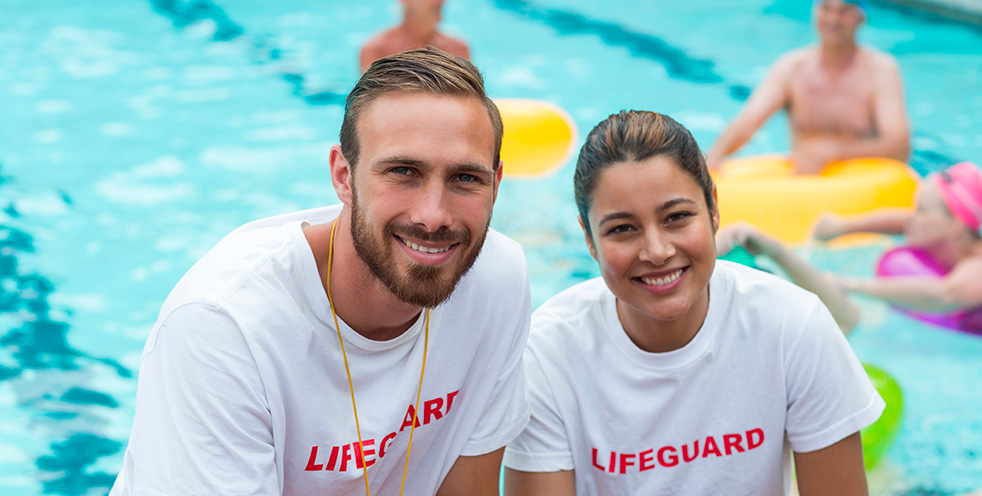
Water safety is one of the most important responsibilities at pools, beaches, waterparks, and aquatic facilities across the United States. Every year, thousands of people enroll in lifeguard classes to gain professional rescue skills, CPR knowledge, and emergency response training. Whether someone wants a summer job, a long-term aquatic career, or lifesaving knowledge, professional lifeguard training provides the foundation needed to succeed.
The demand for trained lifeguards continues to grow in the USA as communities focus more on aquatic safety and drowning prevention. Professional certification programs offered by American Lifeguard Training help students build practical skills while meeting national training standards.
This guide explains everything future lifeguards should know about lifeguard classes, including training requirements, certification benefits, career opportunities, and how to choose the right program.
What Are Lifeguard Classes?
Lifeguard classes are structured training programs that teach students how to prevent and respond to aquatic emergencies. These courses combine classroom education with practical rescue training to prepare individuals for real-world situations.
Professional lifeguard programs focus on:
- Water rescue techniques
- CPR and AED training
- First Aid skills
- Emergency response procedures
- Victim recognition
- Aquatic safety practices
- Team communication
Modern lifeguard training goes beyond basic swimming skills. Students learn how to stay calm under pressure, evaluate emergencies quickly, and protect swimmers in different aquatic environments.
Most programs in the United States include both online learning and in-person practical sessions. This blended format allows students to study theory at home while practicing hands-on rescue techniques during scheduled training sessions.
Who Should Take Lifeguard Classes?
Lifeguard classes are ideal for people who enjoy swimming, teamwork, and helping others. Many students enroll to work during the summer season, while others pursue careers in aquatic management and safety.
People who commonly take lifeguard classes include:
- High school students
- College students
- Swim instructors
- Coaches
- Fitness center employees
- Waterpark staff
- Beach patrol candidates
- Recreation center employees
Many employers in the USA require certified lifeguards before hiring for aquatic positions. Completing professional lifeguard classes can improve job opportunities while providing valuable emergency response experience.
Even individuals who do not plan to work as lifeguards often benefit from learning lifesaving skills and CPR techniques.
Why Are Lifeguard Classes Important?
Drowning prevention remains a major public safety concern in the United States. Lifeguards play a critical role in identifying dangers before accidents happen and responding immediately during emergencies.
Professional lifeguard classes help students learn how to:
- Prevent swimming accidents
- Recognize distressed swimmers
- Respond quickly during emergencies
- Perform rescues safely
- Provide immediate medical assistance
- Protect children and adults in aquatic areas
Properly trained lifeguards create safer swimming environments for families, schools, and communities.
Organizations like American Lifeguard Training focus on building confident professionals who can manage real emergency situations effectively.
How Do Lifeguard Classes Work?
Most lifeguard certification programs in the USA use a blended learning system. Students complete online coursework before attending practical in-water training sessions.
Online Learning Portion
The online section usually covers:
- Water safety principles
- CPR guidelines
- AED usage
- First Aid procedures
- Emergency action planning
- Rescue protocols
Students can study these topics at their own pace before demonstrating skills during practical training.
Practical Training Sessions
Hands-on sessions are the most important part of lifeguard classes. Students practice rescue techniques and emergency scenarios under instructor supervision.
Practical training includes:
- Active victim rescues
- Passive victim rescues
- Spinal injury management
- Deep-water recovery
- CPR performance
- Team rescue drills
- Surveillance techniques
This combination of education and practice helps students build both confidence and emergency response ability.
What Skills Do Students Learn in Lifeguard Classes?
Professional lifeguard training programs teach a wide range of lifesaving skills.
Water Rescue Techniques
Students learn how to rescue active, passive, and submerged victims safely while protecting themselves during emergencies.
CPR and AED Training
Cardiopulmonary resuscitation (CPR) and automated external defibrillator (AED) training are essential parts of lifeguard certification.
These skills prepare lifeguards to respond to cardiac and breathing emergencies until medical professionals arrive.
First Aid Skills
Students also learn how to treat:
- Cuts and bleeding
- Heat exhaustion
- Muscle injuries
- Fractures
- Shock
- Neck and spinal injuries
Surveillance and Prevention
One of the most important lifeguard responsibilities is preventing emergencies before they occur.
Students learn how to:
- Scan aquatic areas effectively
- Identify dangerous behavior
- Recognize early signs of distress
- Maintain constant awareness
Communication and Leadership
Lifeguards must communicate clearly during emergencies while working with team members and emergency responders.
Professional training helps students develop leadership and teamwork skills that are valuable in many careers.
Who Can Become a Certified Lifeguard?
Most lifeguard programs have minimum requirements students must meet before certification.
Common prerequisites include:
- Minimum age requirement
- Swimming ability
- Physical endurance
- Completion of rescue evaluations
Many programs require students to:
- Swim continuously for a specific distance
- Tread water for several minutes
- Retrieve a weighted object from deep water
- Complete timed rescue scenarios
These requirements ensure candidates are physically prepared for real rescue situations.
Students who meet these standards can successfully complete certification and begin applying for lifeguard positions.
What Makes American Lifeguard Training a Good Choice?
Choosing the right certification provider is important for both training quality and employment opportunities.
American Lifeguard Training offers nationally recognized lifeguard certification programs throughout the USA.
Key advantages include:
- Flexible training schedules
- CPR/AED certification included
- Hands-on practical instruction
- Experienced instructors
- Nationwide recognition
- Online learning options
- Lifeguard recertification courses
The organization focuses on preparing students for real emergency situations while meeting professional aquatic safety standards.
Their programs help students gain both certification and practical confidence.
How Long Do Lifeguard Classes Take?
Course length varies depending on the training provider and certification level.
Most professional lifeguard classes include more than 20 hours of combined instruction and practical training.
Programs generally include:
- Online coursework
- Rescue practice
- CPR testing
- First Aid training
- Emergency response scenarios
Some students complete training within a few days, while others choose flexible scheduling options that spread sessions across several weeks.
Blended learning formats allow students to complete theoretical lessons online before attending practical sessions.
What Jobs Can You Get After Lifeguard Classes?
Certified lifeguards can work in many aquatic environments across the United States.
Common job opportunities include:
- Public swimming pools
- Waterparks
- Hotels and resorts
- Beaches
- Summer camps
- Schools and universities
- Recreation centers
- Fitness clubs
Many lifeguards later advance into supervisory positions such as:
- Head lifeguard
- Aquatic manager
- Swim instructor
- Pool supervisor
- Safety trainer
Lifeguarding also helps students build leadership, communication, and emergency response experience that supports future careers in healthcare, public safety, education, and fitness industries.
How Much Do Lifeguards Earn in the USA?
Lifeguard salaries vary depending on location, experience, and work environment.
Many entry-level lifeguards earn hourly wages, especially during summer seasons. Lifeguards working at beaches, resorts, or large aquatic facilities may earn higher pay rates.
Factors affecting salary include:
- Certification level
- Experience
- Additional CPR qualifications
- Geographic location
- Facility type
Some employers also provide:
- Flexible schedules
- Overtime opportunities
- Free facility memberships
- Seasonal bonuses
Completing professional lifeguard classes improves hiring opportunities and may increase earning potential.
How Does Lifeguard Recertification Work?
Lifeguard certifications usually remain valid for a limited period before renewal is required.
Recertification courses help lifeguards:
- Refresh rescue skills
- Practice CPR updates
- Review emergency procedures
- Stay current with safety standards
Many employers require active certification before scheduling lifeguards for work.
American Lifeguard Training offers recertification programs designed to help professionals maintain their qualifications and confidence.
What Should Students Expect During Lifeguard Classes?
Lifeguard training is both physically and mentally demanding. Students should expect active participation throughout the course.
Training often includes:
- Timed swimming exercises
- Rescue drills
- CPR practice
- Emergency simulations
- Team response activities
Instructors evaluate students on both knowledge and practical performance.
Successful lifeguards demonstrate:
- Focus
- Responsibility
- Physical fitness
- Quick decision-making
- Communication skills
Students who stay committed and practice regularly usually perform well during certification testing.
How Can You Choose the Best Lifeguard Classes?
Choosing the right program is essential for quality training and future employment.
When comparing lifeguard classes, students should look for:
- Nationally recognized certification
- CPR/AED inclusion
- Experienced instructors
- Practical rescue training
- Flexible schedules
- Positive reputation
- Recertification options
Programs offered by American Lifeguard Training provide comprehensive education designed to prepare students for professional aquatic safety careers.
Students should also choose programs that match their schedules, goals, and preferred work environments.
Final Thoughts on Lifeguard Classes in the USA
Lifeguard classes provide valuable training that helps individuals protect lives and build professional skills. From CPR certification to advanced rescue techniques, these programs prepare students for real emergencies in pools, beaches, and aquatic facilities across the USA.
Professional certification through American Lifeguard Training helps future lifeguards gain the confidence, knowledge, and practical experience needed to succeed in aquatic safety roles.