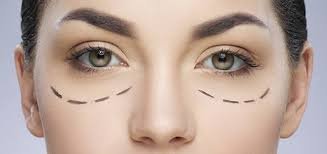
The lower eyelids are an important part of the overall appearance of the face. Their shape, position, and relationship with the cheeks and eyes can influence how rested, balanced, and youthful the face appears. Because these features vary significantly from person to person, lower eyelid surgery needs to be planned around the individual’s anatomy rather than following one standard approach.
Lower Blepharoplasty in London is an individually planned procedure that may focus on concerns such as excess skin, changes in the lower eyelid contour, or the appearance of fullness beneath the eyes. During the planning process, the surgeon considers the patient’s facial features, lower eyelid structure, and desired outcome.
For people considering Lower Eyelid Surgery In London, understanding how facial anatomy influences surgical planning can provide a clearer picture of what happens during a consultation and why treatment plans differ between patients.
Understanding the Lower Eyelid and Facial Structure
The lower eyelid does not exist independently from the rest of the face. It sits between the eye and cheek and forms a visible transition between these areas.
Several features may influence its appearance, including the lower eyelid skin, underlying soft tissue, eyelid contour, cheek position, and the relationship between the lower eyelid and the eye itself.
Natural differences in these structures mean that two people with similar concerns may require completely different treatment plans.
A surgeon assessing a patient for Lower Blepharoplasty in London therefore needs to look beyond the visible concern. The assessment can consider how the lower eyelid fits into the patient’s overall facial proportions and which areas contribute most to the appearance the patient wants to address.
Why Individual Facial Features Matter
Facial features differ in shape, size, position, and proportion. These differences can influence how lower eyelid surgery is planned.
For example, a patient may have noticeable under-eye fullness but relatively firm lower eyelid skin, while another person may have a combination of skin laxity and changes in the contour beneath the eye.
Similarly, the relationship between the lower eyelid and cheek can vary. The transition may appear relatively smooth in one individual and more defined in another.
These anatomical differences are important because the surgical plan should respond to the patient’s specific structure rather than treating every lower eyelid in exactly the same way.
Assessing the Lower Eyelid Contour
The shape of the lower eyelid is one of the key features considered during consultation.
The surgeon may examine the contour from the inner corner of the eye towards the outer corner and assess how the lower eyelid relates to the eye and cheek.
Attention may also be given to the position of the lower eyelid and the appearance of the area beneath the eye when the patient is looking naturally ahead.
This assessment helps the surgeon understand the existing anatomy and determine which elements may need to be considered when developing the treatment plan.
Considering Under-Eye Fullness
Under-eye fullness is a common reason people explore Lower Eyelid Surgery In London. However, the appearance of fullness can have different anatomical causes.
Some patients may have prominent tissue beneath the eyes, while others may have changes in the surrounding skin or a combination of different facial features contributing to the appearance.
The surgeon can assess the location and character of the fullness during consultation. This allows the treatment plan to be designed according to where the concern is located rather than applying the same approach to every patient.
Understanding the exact area involved is particularly important for creating an appropriate and proportionate surgical plan.
The Role of Lower Eyelid Skin
Skin quality and the amount of excess skin can also influence planning.
The surgeon may assess how much skin is present and where it is positioned across the lower eyelid. The assessment can include the area immediately beneath the eyelashes as well as the transition towards the cheek.
Not every patient has the same amount or distribution of lower eyelid skin. Consequently, treatment needs to be considered in relation to the individual’s existing features.
The objective is to create a treatment plan that addresses the relevant area while maintaining a natural relationship between the lower eyelid and the surrounding face.
Evaluating the Cheek and Midface
The cheek is particularly important when planning lower eyelid surgery because the lower eyelid and cheek form a continuous visual area.
A patient’s cheek structure can affect the appearance of the under-eye region and the transition between the eye and midface. For this reason, the surgeon may assess the cheek position and overall midface proportions during consultation.
This broader evaluation helps place the lower eyelid within the context of the whole face.
For patients considering Lower Blepharoplasty in London, this approach can make the treatment plan more personalised because the surgeon is considering how the eyelid interacts with the surrounding facial structures.
Assessing Facial Symmetry
Most faces have some degree of natural asymmetry. The two lower eyelids may not be exactly identical in height, shape, skin distribution, or relationship with the cheeks.
During a consultation, these differences can be assessed before surgical planning begins.
The surgeon may compare both sides of the face and identify any differences that could be relevant to treatment. This does not necessarily mean that the two sides require completely different procedures, but it provides a more accurate understanding of the patient’s starting point.
Considering symmetry helps establish a treatment plan that works with the individual’s natural facial characteristics.
Eye Shape and Lower Eyelid Planning
Eye shape is another important consideration. The lower eyelid follows the natural contour of the eye, meaning that its shape can influence how treatment is planned.
Different individuals may have different degrees of eye roundness, length, prominence, or lower eyelid curvature. These characteristics can affect the visual relationship between the eyelid and the eye.
When planning Lower Eyelid Surgery In London, the surgeon can consider these features alongside skin and soft-tissue characteristics to create a treatment strategy suited to the patient’s anatomy.
Planning Around Natural Facial Proportions
Facial proportions are important because an isolated change to the lower eyelid can influence the appearance of the surrounding features.
A well-planned approach takes the entire area into account. The surgeon may consider the relationship between the lower eyelid, upper cheek, nose, eyebrows, and other nearby structures.
This does not mean changing every facial feature. Instead, it means understanding how the lower eyelid fits within the patient’s existing facial framework.
The result is a planning process that focuses on harmony and proportion rather than simply targeting one visible feature.
The Importance of the Patient’s Desired Outcome
Anatomy is an essential part of surgical planning, but the patient’s expectations are equally important.
During consultation, patients can explain what they would like to improve about their lower eyelid area. Some may be primarily concerned with under-eye fullness, while others may focus on excess skin or the overall appearance of the lower eye area.
Understanding these priorities allows the surgeon to connect the patient’s goals with the anatomical assessment.
A personalised consultation therefore provides an opportunity to discuss both what the patient sees and how the surgeon interprets the underlying facial features.
How the Consultation Shapes the Surgical Plan
A consultation for Lower Blepharoplasty in London can involve a detailed examination of the eyes, eyelids, cheeks, and surrounding facial structures.
The surgeon may consider:
- The amount and location of lower eyelid skin
- The appearance and position of under-eye fullness
- Lower eyelid contour
- Eye shape
- Cheek and midface structure
- Facial symmetry
- The relationship between the lower eyelid and cheek
- The patient’s preferred aesthetic outcome
These factors can then be considered together when developing an individual treatment plan.
Rather than focusing on one isolated measurement, the surgeon can evaluate how the different features interact.
Why a Tailored Approach Is Important
There is no universal lower eyelid design that suits every face. Differences in anatomy mean that treatment planning needs to be personalised.
For example, the approach for someone with primarily skin-related concerns may differ from the planning considerations for someone whose main concern is under-eye fullness or lower eyelid contour.
This is why choosing an experienced Blepharoplasty Clinic in London can be an important part of the treatment journey. A detailed assessment provides the foundation for understanding the individual’s anatomy and discussing an appropriate treatment approach.
Preparing for a Lower Eyelid Surgery Consultation
Patients can make their consultation more productive by thinking about the specific features they would like to address.
It may be useful to describe whether the main concern involves excess skin, under-eye fullness, the lower eyelid contour, or the general appearance of the area.
Patients can also discuss whether they prefer a subtle change or a more noticeable improvement. Sharing these preferences gives the surgeon a better understanding of the desired outcome.
The consultation can then combine the patient’s expectations with an assessment of the facial features that influence the lower eyelid.
Creating Facial Balance Through Careful Planning
The aim of personalised surgical planning is to ensure that the lower eyelid remains consistent with the surrounding facial features.
The lower eyelid is closely connected visually to the eye and cheek, so its treatment can be considered as part of this broader area.
By assessing the patient’s anatomy, proportions, symmetry, and aesthetic preferences together, the surgeon can develop a plan that is specific to the individual.
For those researching Lower Blepharoplasty in London, this personalised approach helps explain why treatment recommendations can differ significantly from one patient to another.
Conclusion
Lower eyelid surgery requires more than simply identifying excess skin or under-eye fullness. Individual facial features can have an important influence on how the procedure is planned and how the lower eyelid relates to the rest of the face.
Lower Blepharoplasty in London can be planned by considering the lower eyelid contour, skin, under-eye fullness, eye shape, cheek structure, facial symmetry, and overall facial proportions. The patient’s personal aesthetic goals can then be incorporated into the assessment to create an individualised treatment plan.
For people considering Lower Eyelid Surgery In London, a detailed consultation at a specialist Blepharoplasty Clinic in London provides an opportunity to understand how their unique facial features may influence the recommended surgical approach.
FAQs
What is lower blepharoplasty?
Lower blepharoplasty is a surgical procedure designed to address selected concerns affecting the lower eyelid area, such as excess skin or under-eye fullness.
Why are individual facial features important when planning lower blepharoplasty?
Facial anatomy varies from person to person. Eye shape, lower eyelid contour, skin distribution, cheek structure, and facial proportions can all influence how treatment is planned.
How does eye shape influence lower eyelid surgery?
The lower eyelid follows the contour of the eye. Different eye shapes can therefore affect how the lower eyelid is assessed and how the surgical plan is developed.
Does the cheek affect lower eyelid appearance?
Yes. The lower eyelid and cheek form a closely connected visual area, so cheek and midface structure may be considered during the planning process.
Is facial symmetry assessed before lower eyelid surgery?
Yes. The surgeon may compare both sides of the face to identify natural differences in eyelid height, contour, skin distribution, and surrounding structures.
How is under-eye fullness assessed?
The surgeon can examine the location and appearance of fullness beneath the eyes and determine how it relates to the surrounding lower eyelid and facial anatomy.
Can lower blepharoplasty be tailored to individual patients?
Yes. Treatment planning can be personalised according to the patient’s anatomy, facial proportions, concerns, and desired aesthetic outcome.
What should I discuss during a lower eyelid surgery consultation?
Patients can discuss the specific aspects of their lower eyelid they would like to improve, their preferred appearance, and any questions they have about the proposed treatment plan.
Why choose a specialist blepharoplasty clinic in London?
A specialist clinic can provide a focused consultation and assessment of the eyelids and surrounding facial structures, helping the surgeon develop a treatment plan based on the individual’s features.