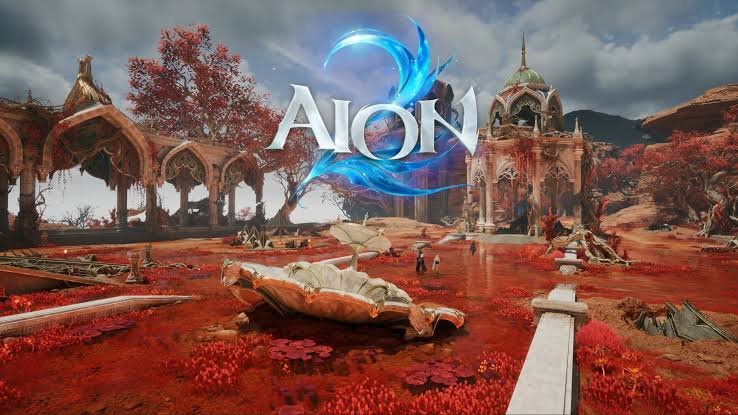
Kinah is the in-game currency used to upgrade gear, enchant equipment, craft items, and buy resources. Players can earn it through daily questing, Expeditions, Sealed Dungeons, open-world farming, gathering, crafting, and the Marketplace.
Smart Kinah use can make leveling and progression more efficient. Start with practical habits like focusing enhancing efforts on weapons and guard, choosing a trusted marketplace that matches server and faction, and preferring moderate deliveries over one massive order.
What is Aion 2 Kinah?
Aion 2 currency buys everything from gear upgrades to marketplace items, and it keeps your character progression going. The game’s economy is player-driven, so having a reliable Kinah flow is essential for success. This guide covers the basics of how to earn Kinah, the difference between Bound and Unbound, and the best ways to get it in every earning channel from quests, daily dungeons, Expeditions, open-world farming, gathering, crafting, and the Marketplace.
The difference between Bound and Unbound Kinah is that Bound Kinah can only be used by the character who earned it, while Unbound can be traded to other players. Bound is primarily used for equipment upgrades, fast travel, skill point resets, and Daevanion Board fees. Unbound is mainly used to purchase items other players list on the Marketplace, and it can also be used to pay listing fees for your own Marketplace listings.
The best ways to earn AION2 Kinah depend on your level, class, and play style, but a reliable routine of consistent activity is the most effective way to build up your wallet. Daily quests, weekly bonuses, harvesting resets, and broker cycle rewards all add up over time, and the extra income from selling unused gear or materials can help cover some of your larger upgrade costs. Watch for changes in marketplace demand and upcoming events to see when it’s worth spending more effort on a particular activity.
How do I buy Aion 2 Kina?
Kinah is more than just a currency in Aion 2. It shapes your experience, your equipment, and your progression through the world of Atreia. Knowing how to earn it, where to spend it, and when to invest it can make a huge difference in your gameplay.
The easiest way to gain Kinah is through daily activities and profitable PvE content. But there are many other ways to generate income in Aion 2, including trading unwanted loot, selling crafting materials, and completing quests. By combining multiple methods, players can increase their overall Kinah income by tenfold or more.
When spending Kinah, it is important to focus on high-impact items and consumables. These can accelerate your progress in dungeons and other endgame content, making them the best use of your resources. In addition, it is important to keep a reserve of Kinah. Some content in Aion 2 may become more expensive due to patch updates or limited-time events, so having a buffer can help you avoid spending too much.
Many experienced players also use Kinah to create flexibility in their gameplay. With sufficient reserves, they can switch roles or try new builds without having to grind for hours on end. They can also participate in PvP or other endgame content that they would otherwise miss because of currency bottlenecks.
What are the benefits of buying Aion 2 Kina?
Whether it’s buying items, upgrading gear or paying for teleportation, Kinah is essential in Aion 2. As players progress through the game, however, they may find themselves running out of time to farm enough currency. When that happens, it can make sense to buy Aion 2 Kinah from a trusted seller. MMOGAH offers an easy and convenient way to do just that.
There are a variety of ways to earn Kinah in Aion 2, including daily content, repeatable missions and the Market. However, not all methods offer the same level of value for your time. Aim for efficient routes that combine Kinah, EXP and useful materials. Tracking your earnings over 30-60 minutes can help you determine which farming locations are worth the effort.
Crafting and gathering can also be a great source of in-game currency. These activities allow players to sell their crafted gear, potions and materials to other players. However, the Market’s pricing structure can be confusing. Bound Kina takes a 10% tax, and listing costs are determined by your gameplay history (the 14 October update eased this rule).
A fresh MMORPG economy can be volatile, with prices moving quickly as new improvements, farming routes and progression strategies are discovered. Careless spending can leave a player unable to react when a genuinely valuable item, material or Market opportunity arises.
Where can I buy Aion 2 Kina?
Buying in-game currencies with real money can be a convenient way to gain access to powerful weapons, equipment, and crafting materials. However, it’s essential to prioritize safety when purchasing cheap Aion 2 Kinah with real money. By following these simple tips, players can enjoy the convenience of buy Aion 2 Kina while avoiding potential scams.
Kina is the primary in-game currency in Aion 2, used to purchase equipment, consumables, and crafting materials in the player-driven market. Players can also earn Kina by completing quests and certain dungeon rewards, selling valuable drops, or gathering and selling materials. Bound Kina is tied to the character that earned it and cannot be traded or transferred between characters.
Whether you’re looking to upgrade your armor or weapon, MmoGah has you covered with the best options for Aion 2 gold for sale. Our marketplace features a range of sellers, delivery methods, and price ranges. Compare seller ratings, delivery speeds, and recent buyer reviews to find the best option for you. We support a wide variety of payment methods and offer 24/7 customer support to help with any questions or concerns.